








Kelly Huether Reacquires Life of Riley and Riley Salon Resources
Life of Riley Salon Supply and Riley Salon Resources are back in the family, as Kelly Huether acquires the professional distributor he co-founded in 2013.
by Staff
 MENU
MENU SEARCH
Automatic cooling caps can help patients preserve their hair during chemotherapy treatments, but insurance rarely covers the cost. HairtoStay helps salon professionals help their clients afford the treatment.
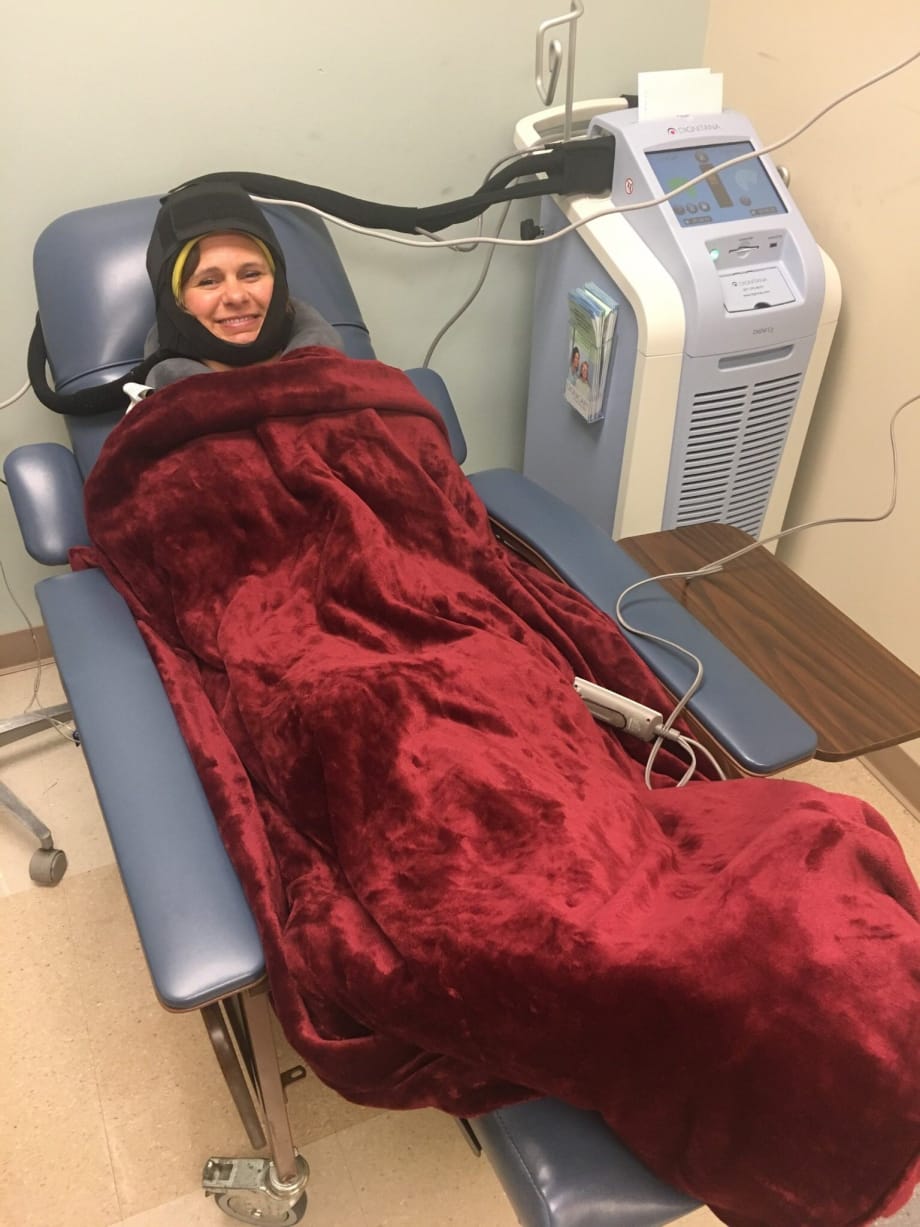
Monique Derrington, an ICU nurse who was diagnosed with Stage 2 breast cancer, uses an automatic cooling cap to preserve her hair during chemotherapy.
A common concern for women about to undergo chemotherapy now has an unexpected answer.
Frequently, the first question asked by a woman diagnosed with cancer who is told she needs chemotherapy is, “Will I lose my hair?” It’s a completely valid concern, of course, because having a healthy head of hair is tied to a woman’s sense of herself and is an important part of her identity.
Salon professionals often find themselves helping women cope with the prospect of hair loss by offering chemo cuts or shaving a woman’s head. But it doesn’t have to be that way anymore. Now salon professionals can offer information about HairToStay.
HairToStay is the first and only national nonprofit organization dedicated to helping cancer patients afford scalp cooling, a process that mitigates the impact of chemotherapy on a woman’s hair. Chilling a patient’s scalp during chemo constricts blood flow, keeping chemo drugs from entering and damaging hair follicles.
HairToStay subsidizes scalp cooling, raises awareness, and offers information and support to patients considering the treatment. HairToStay has awarded 1,000 subsidies to date.
Scalp cooling has been available in Europe for more than 20 years, but only for a few years in the United States. The Food and Drug Administration approved use of an automatic scalp cooling device in 2015.
There are two forms of scalp cooling. Manual cooling, in use in the United States for about 10 years, requires that a number of cold caps, which resemble swim caps, be kept cold on dry ice and swapped out every 30 minutes during chemo. Automated scalp cooling uses a machine to monitor coolant that is continuously circulated through a cap.
HairToStay has joined forces with corporate partners, beauty product distributors and salons across the country to raise awareness and money to subsidize scalp cooling, which is rarely covered by insurance.
“Partnering with the beauty industry just seemed logical,” said Bethany Hornthal, co-founder of HairToStay, because this industry clearly understands the importance of hair to the health and well-being of women.”
Barbara Haupert, owner of Gaston’s Salon and Spa in New Braunfels, Texas, understands how important it is for women to keep their hair during cancer treatment. Her daughter, Monique Derrington, was diagnosed with stage-2 breast cancer four years ago that recurred with metastasis to her bones two years later.
“Monique is a NICU nurse and it was very important for her not to lose her hair because she didn’t want anyone to feel sorry for her,” Haupert said.
Her treatment center offered use of FDA-approved automatic cooling caps.
Because of her daughter’s experience, Haupert wanted to raise money for HairToStay. She says she didn’t do anything aggressive. An article about HairToStay was included in the salon’s newsletter and she placed a jar at the front desk.
“I’m grateful we were able to help,” she says. “As long as I can and as long as the salon is open, I will continue to raise money.”
Salons and beauty professionals can help in a variety of ways, including donating a portion of sales, posting information on mirror talkers or front desk signage, setting out collection jars or sponsoring individual clients for HairToStay subsidies.
To learn more about HairToStay or to get ideas for fundraising or educational events, visit hairtostay.org.
Life of Riley Salon Supply and Riley Salon Resources are back in the family, as Kelly Huether acquires the professional distributor he co-founded in 2013.
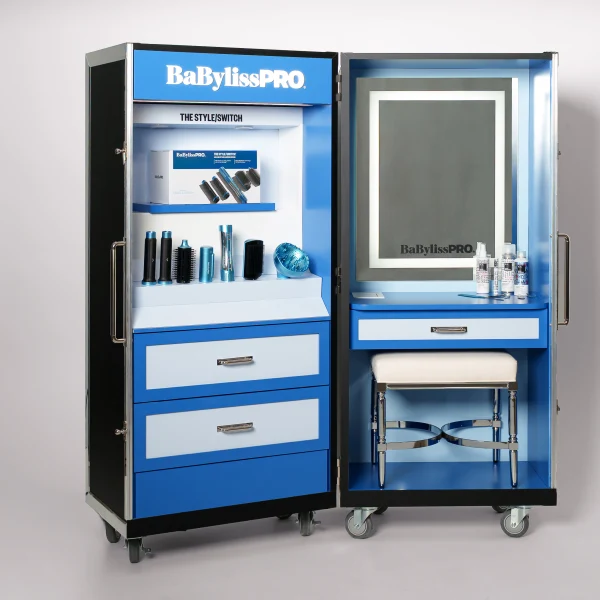
BaBylissPRO and IGK have partnered to launch the BaBylissPRO Studio Trunk, transforming the professional tool brand’s digital Style Studio into a physical experience for the first time in its sixty-year history.
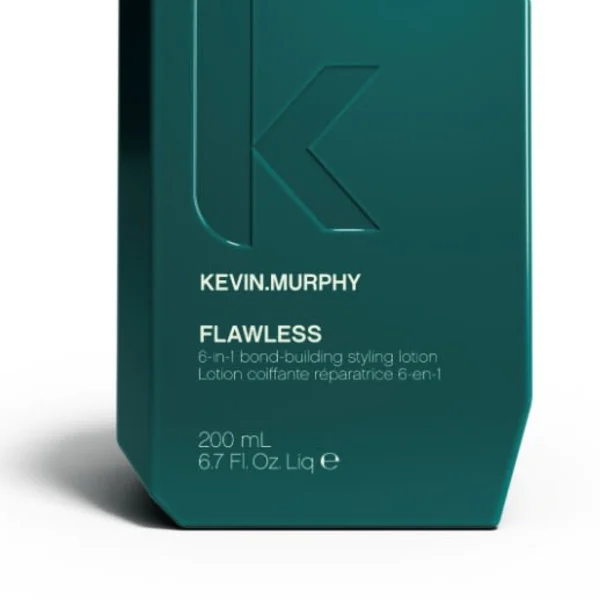
KEVIN.MURPHY's Flawless combines hair repair and styling benefits using KM.Re.Bond technology.
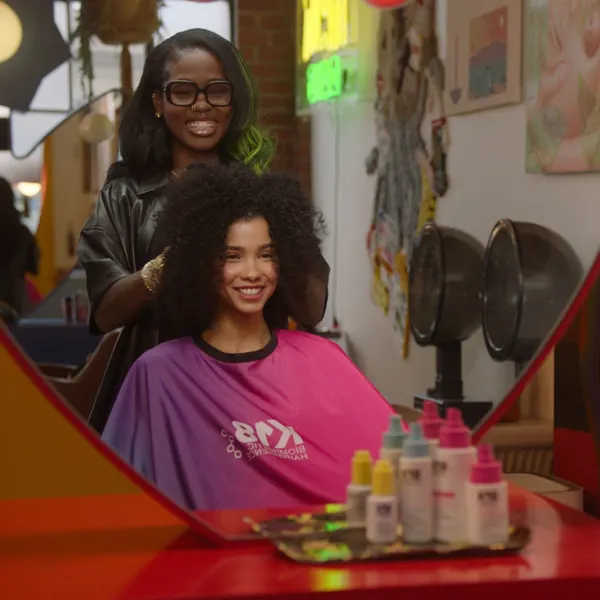
K18 Biomimetic Hairscience has partnered with Beauty Changes Lives to launch the K18 Future of Hair Scholarship, aiming to support aspiring professional stylists by reducing financial barriers to cosmetology education.
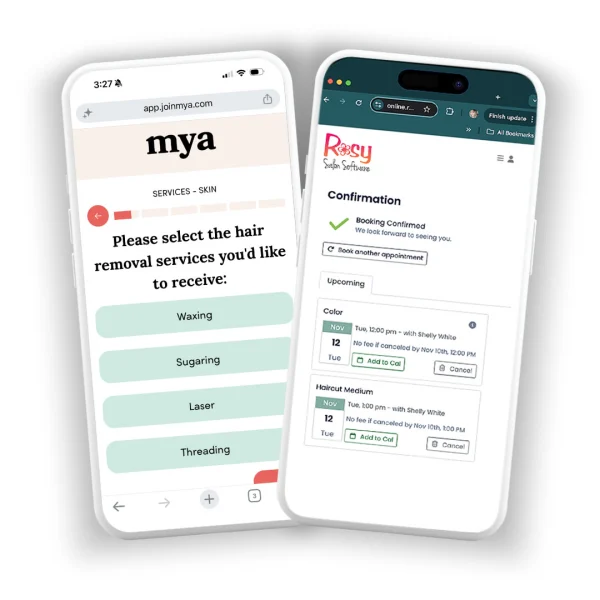
Rosy Salon Software integrates with Mya, empowering salons, spas, and barbershops to transform their websites into powerful, automated lead-generation machines.
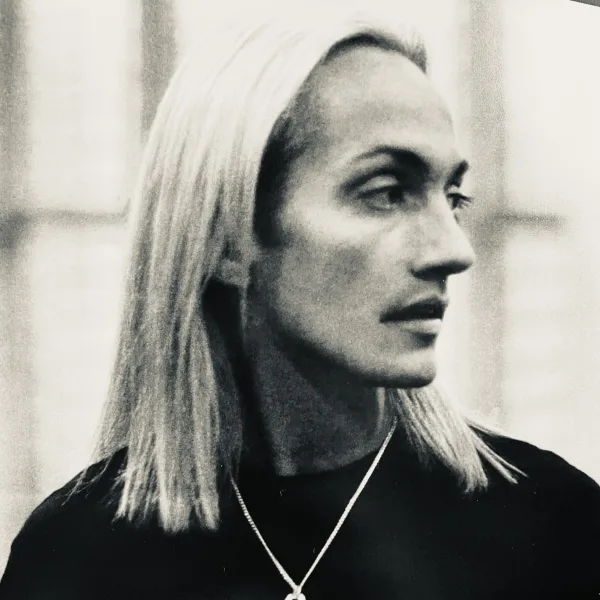
Known for his buttery blondes and a technique for highlighting hair with more precision that he called chunking, Brad Johns died on August 27. His friend and fellow colorist, David Stanko, shares thoughts on his talented colleague and close friend.

The Green Beauty Community Foundation convenes beauty brands, salon-industry leaders, educators, and sustainability organizations for a collaborative professional beauty gathering on September 23rd in New York.
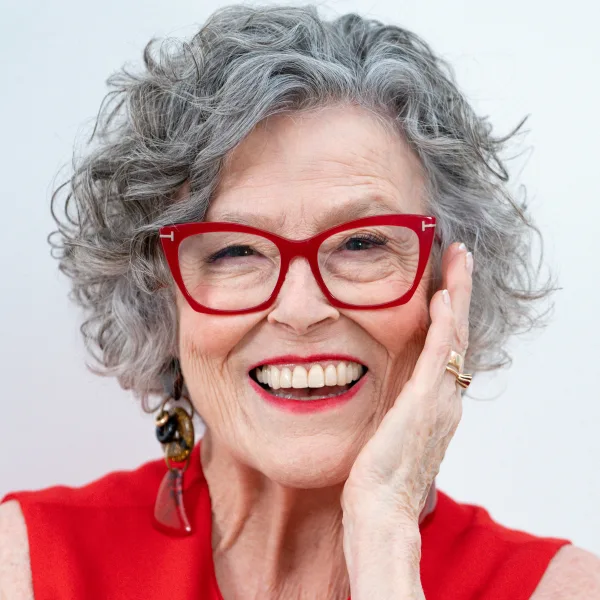
At 80, global feminist, former marriage and family therapist, executive coach, and powerlifter Barrie Zucal shows women how to stop letting “debilitating goodness” derail their dreams. Her empowering new book, BOLD: How Women Play BIG by Leading Instead of Pleasing, calls out the quiet conditioning that holds women back from achieving their ambitions — and shows them how to free themselves.
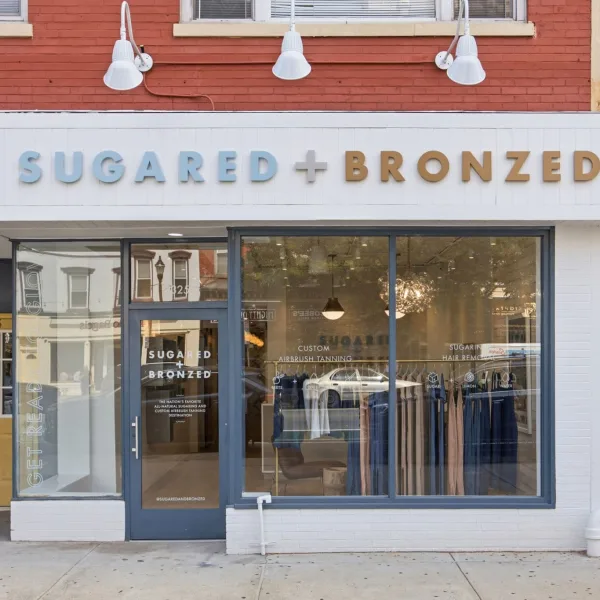
From a Santa Monica apartment startup to the nation's largest sugaring and sunless tanning brand, SUGARED + BRONZED reaches a major milestone with 50 locations across 10 markets.
The Davines Edit reflects the brand’s passion for people and planet.