








Kelly Huether Reacquires Life of Riley and Riley Salon Resources
Life of Riley Salon Supply and Riley Salon Resources are back in the family, as Kelly Huether acquires the professional distributor he co-founded in 2013.
by Staff
 MENU
MENU SEARCH
There's a world of difference in the cost of a professional haircut from country to country, according to a new study.

NetCredit
A new study shows that the price for a basic salon haircut varies widely from country to country, and in some countries there's a huge gap in price between men's cuts and women's cuts. The United States came in at an average of $95 for a woman's haircut and $44 for a men's haircut. Just north in Canada, the price drops to $34 for women and $24 for men, and across the pond in England it's $57 for women and $28 for men.
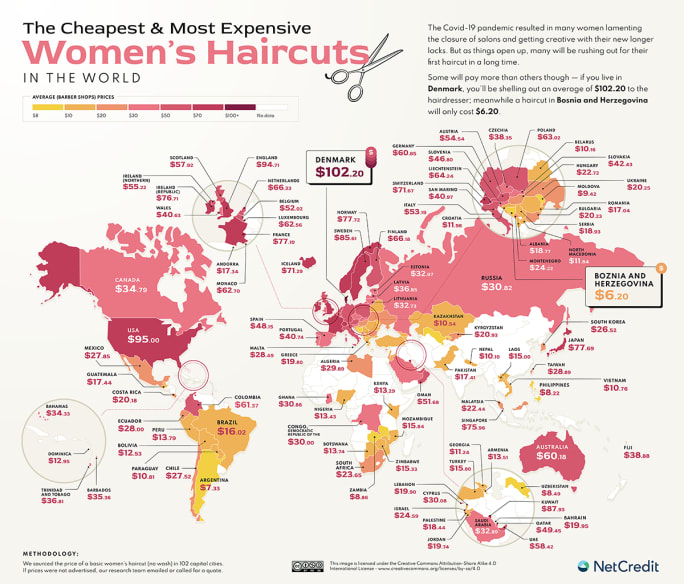
After comparing haircut prices in the capital cities of 102 countries, the researchers at NetCredit highlight these key findings:
Denmark has the most expensive average women’s cut, at $102.20, and the most expensive haircuts in the world overall, with an average price of $75.20 across genders.
For men's cuts, Norway's average comes in highest at $64.50.
The biggest gender price difference is in Nigeria, where a woman pays 634% of the price of a man’s cut.
The biggest gender difference in dollars is in England, where a woman’s haircut costs $58.97 more than a man’s.
Argentina rings up the cheapest average haircut at just $5.24 across genders.
Bosnia and Herzegovina averages the least expensive for a women’s haircut at $6.20.
At 634%, Nigeria has the greatest disparity between women's cuts and men's cuts, followed by Mozambique at 567% and Fiji at 547%.
Countries with the least disparity between sexes are Andorra at 5% and Paraguay at 6%.
In 11 of the 102 countries, men pay more than women for a haircut.
How do your haircut prices stack up? Keep in mind that, because the data was gathered at each country's capital, the US average reflects prices in Washington, DC, not the national average.
Life of Riley Salon Supply and Riley Salon Resources are back in the family, as Kelly Huether acquires the professional distributor he co-founded in 2013.
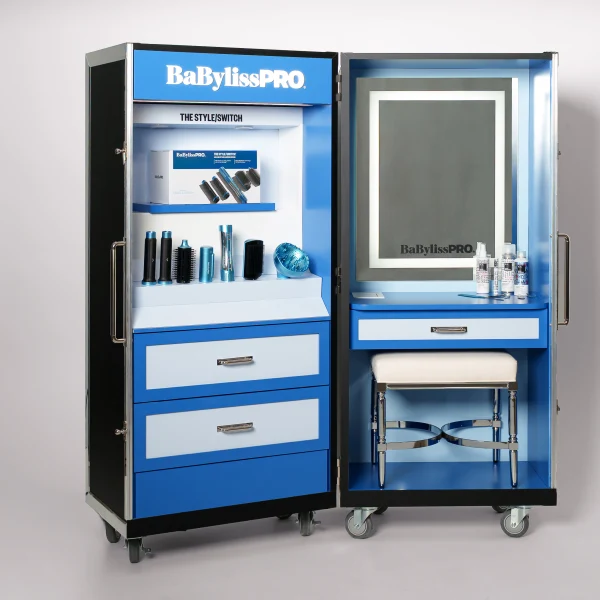
BaBylissPRO and IGK have partnered to launch the BaBylissPRO Studio Trunk, transforming the professional tool brand’s digital Style Studio into a physical experience for the first time in its sixty-year history.
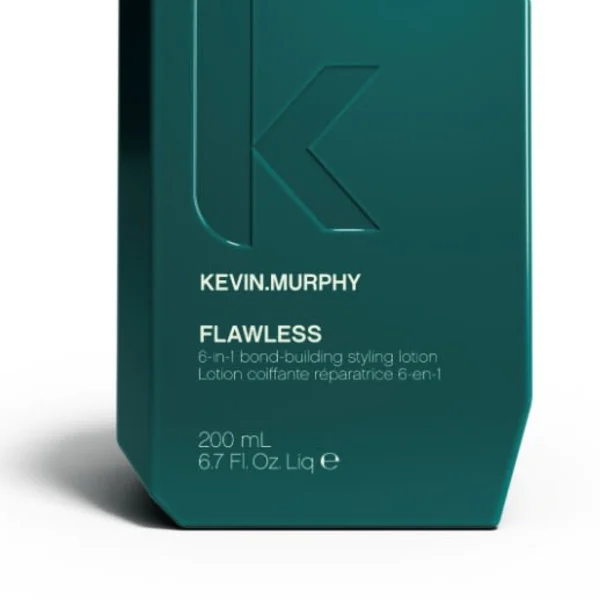
KEVIN.MURPHY's Flawless combines hair repair and styling benefits using KM.Re.Bond technology.
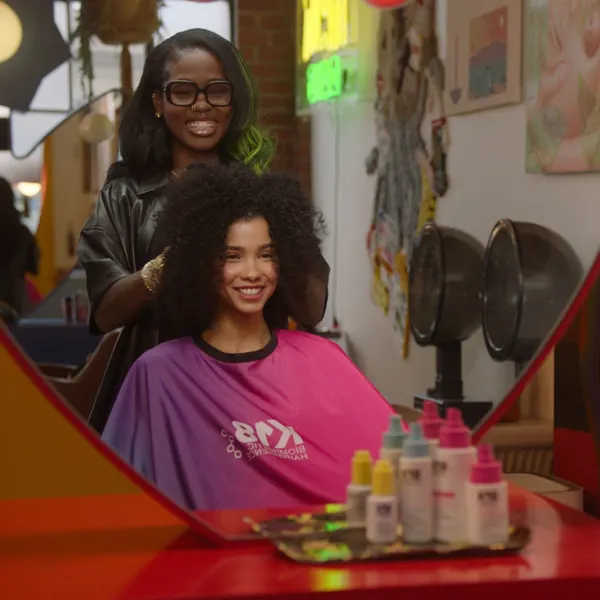
K18 Biomimetic Hairscience has partnered with Beauty Changes Lives to launch the K18 Future of Hair Scholarship, aiming to support aspiring professional stylists by reducing financial barriers to cosmetology education.
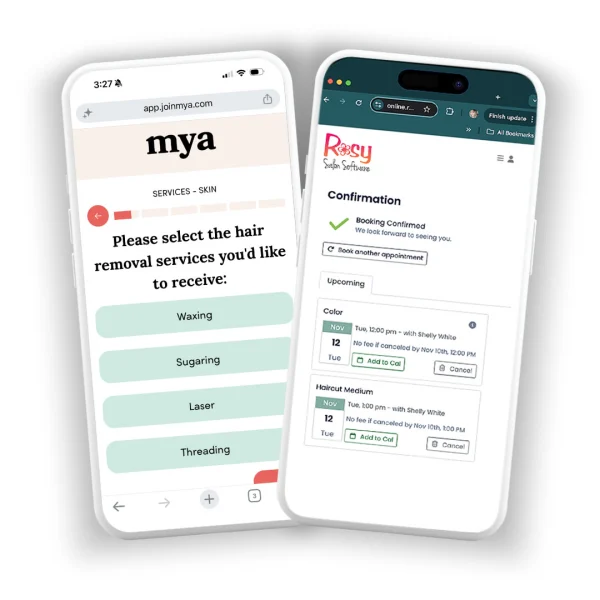
Rosy Salon Software integrates with Mya, empowering salons, spas, and barbershops to transform their websites into powerful, automated lead-generation machines.
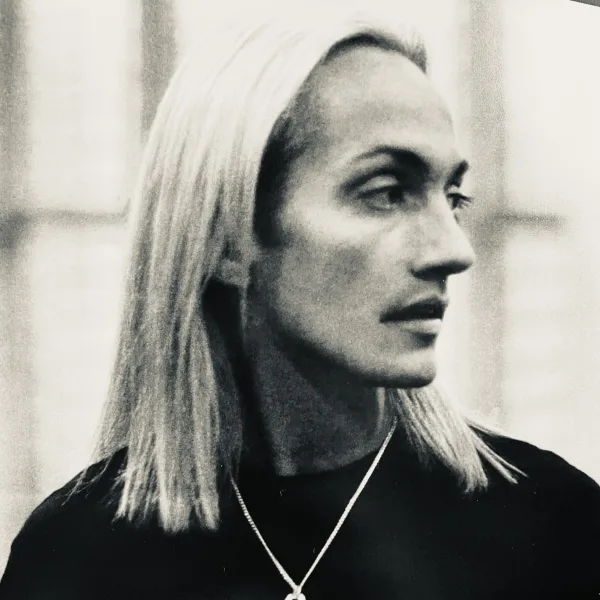
Known for his buttery blondes and a technique for highlighting hair with more precision that he called chunking, Brad Johns died on August 27. His friend and fellow colorist, David Stanko, shares thoughts on his talented colleague and close friend.
The Green Beauty Community Foundation convenes beauty brands, salon-industry leaders, educators, and sustainability organizations for a collaborative professional beauty gathering on September 23rd in New York.
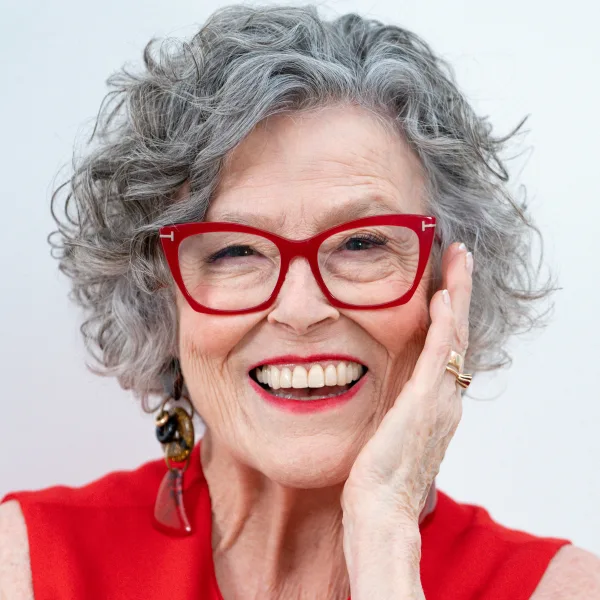
At 80, global feminist, former marriage and family therapist, executive coach, and powerlifter Barrie Zucal shows women how to stop letting “debilitating goodness” derail their dreams. Her empowering new book, BOLD: How Women Play BIG by Leading Instead of Pleasing, calls out the quiet conditioning that holds women back from achieving their ambitions — and shows them how to free themselves.
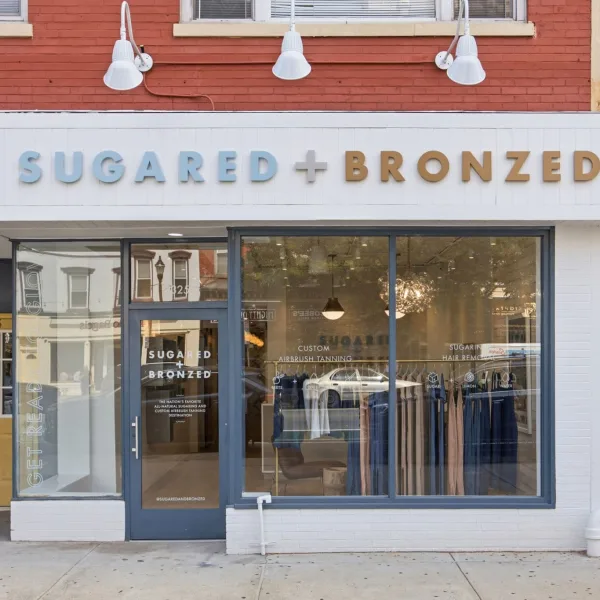
From a Santa Monica apartment startup to the nation's largest sugaring and sunless tanning brand, SUGARED + BRONZED reaches a major milestone with 50 locations across 10 markets.
The Davines Edit reflects the brand’s passion for people and planet.