








Kelly Huether Reacquires Life of Riley and Riley Salon Resources
Life of Riley Salon Supply and Riley Salon Resources are back in the family, as Kelly Huether acquires the professional distributor he co-founded in 2013.
by Staff
 MENU
MENU SEARCH
Analyzing 25 key indicators, WalletHub determines the best places for women in the United States.


The month of March is Women's History Month, and with women holding only a quarter of the seats in Congress despite making up 51% of the population, the personal-finance website WalletHubreleased its report on 2022's Best & Worst States for Women, as well as accompanying videos and expert commentary.
To identify the most women-friendly states, WalletHub compared the 50 states and the District of Columbia across 25 key mentrics. The data set ranged from median earnings for female workers to women's preventative health care to the female homicide rate.
Massachusetts
Minnesota
New York
Hawaii
District of Columbia
Vermont
Maryland
Iowa
Washington
Rhode Island
Oklahoma
Alabama
Arkansas
South Carolina
Louisiana
Mississippi
Idaho
Texas
Georgia
Alaska
The District of Columbia has the highest median earnings for female workers (adjusted for the cost of living), $36,309, which is 1.5 times higher than in California, the lowest at $24,585.
The District of Columbia has the highest share of women who voted in the 2020 presidential election, 86%, which is 1.5 times higher than in West Virginia, the lowest at 56%.
New Hampshire has the lowest share of women living in poverty, 8.3%, which is 2.7 times lower than in Mississippi the highest at 22.3%.
Hawaii has the highest share of women-owned businesses, 24.5%, which is 1.8 times higher than in South Dakota, the lowest at 13.57%.
Massachusetts has the lowest female uninsured rate, 2.10%, which is 7.9 times lower than Texas, the highest at 16.50%
View the full report and check out your home state or District's rank.
Life of Riley Salon Supply and Riley Salon Resources are back in the family, as Kelly Huether acquires the professional distributor he co-founded in 2013.
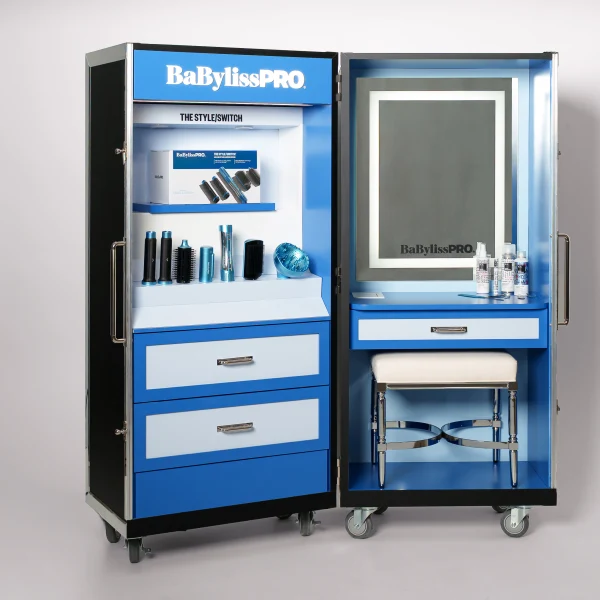
BaBylissPRO and IGK have partnered to launch the BaBylissPRO Studio Trunk, transforming the professional tool brand’s digital Style Studio into a physical experience for the first time in its sixty-year history.
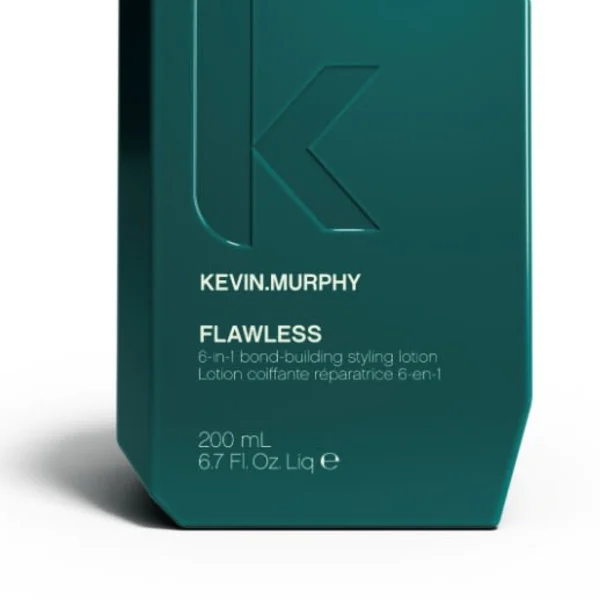
KEVIN.MURPHY's Flawless combines hair repair and styling benefits using KM.Re.Bond technology.
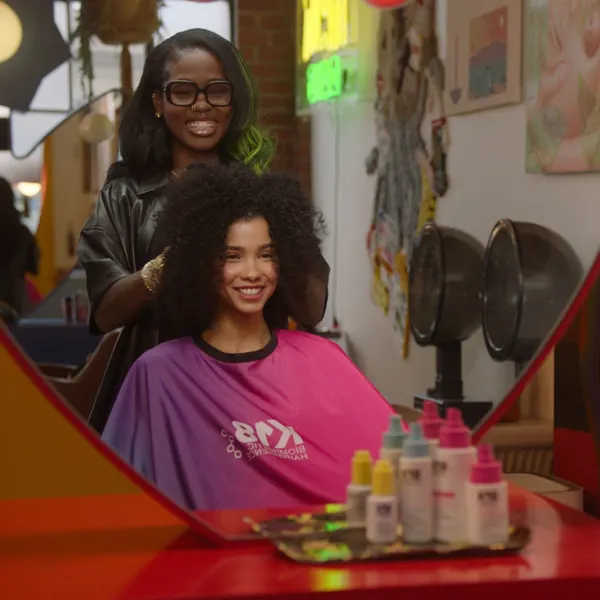
K18 Biomimetic Hairscience has partnered with Beauty Changes Lives to launch the K18 Future of Hair Scholarship, aiming to support aspiring professional stylists by reducing financial barriers to cosmetology education.
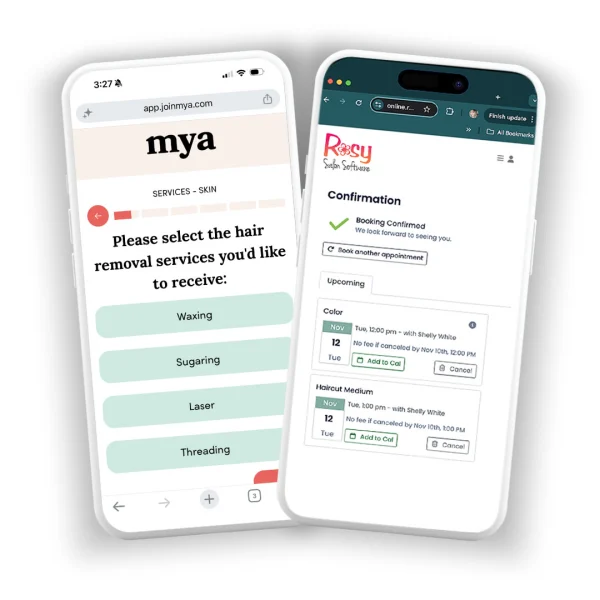
Rosy Salon Software integrates with Mya, empowering salons, spas, and barbershops to transform their websites into powerful, automated lead-generation machines.
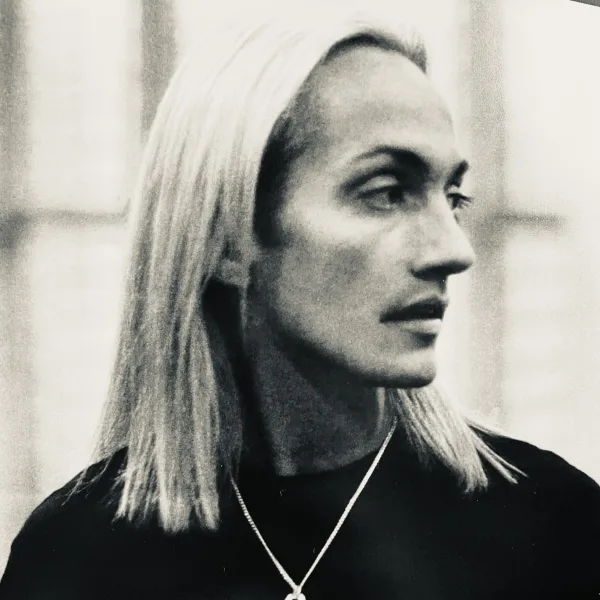
Known for his buttery blondes and a technique for highlighting hair with more precision that he called chunking, Brad Johns died on August 27. His friend and fellow colorist, David Stanko, shares thoughts on his talented colleague and close friend.
The Green Beauty Community Foundation convenes beauty brands, salon-industry leaders, educators, and sustainability organizations for a collaborative professional beauty gathering on September 23rd in New York.
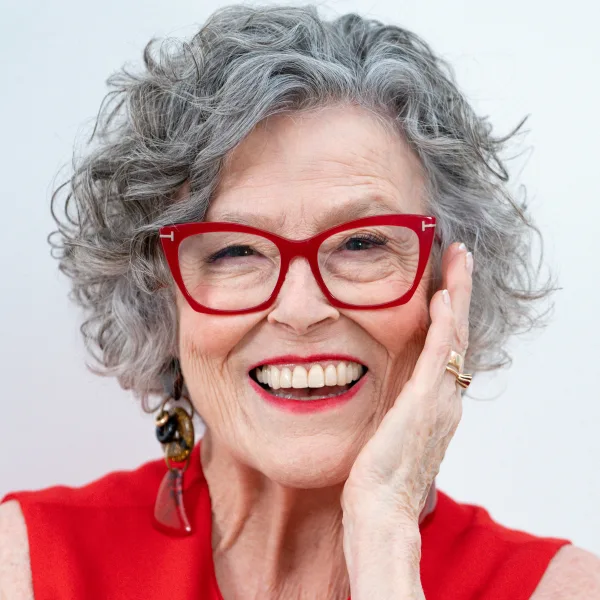
At 80, global feminist, former marriage and family therapist, executive coach, and powerlifter Barrie Zucal shows women how to stop letting “debilitating goodness” derail their dreams. Her empowering new book, BOLD: How Women Play BIG by Leading Instead of Pleasing, calls out the quiet conditioning that holds women back from achieving their ambitions — and shows them how to free themselves.
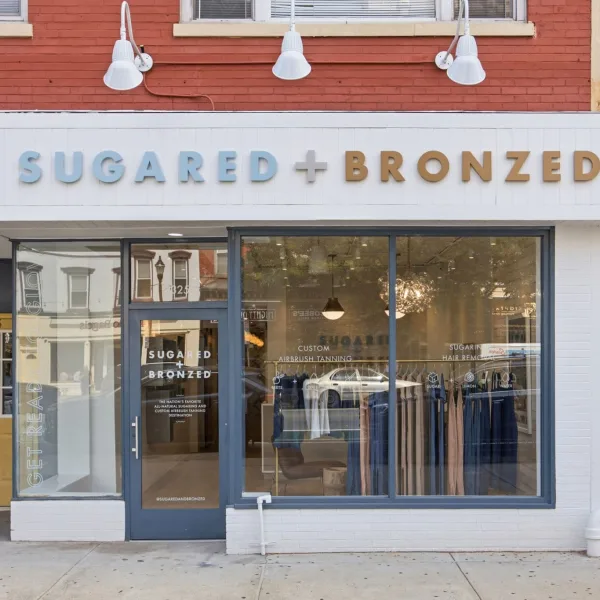
From a Santa Monica apartment startup to the nation's largest sugaring and sunless tanning brand, SUGARED + BRONZED reaches a major milestone with 50 locations across 10 markets.
The Davines Edit reflects the brand’s passion for people and planet.