









Kelly Huether Reacquires Life of Riley and Riley Salon Resources
Life of Riley Salon Supply and Riley Salon Resources are back in the family, as Kelly Huether acquires the professional distributor he co-founded in 2013.
by Staff
 MENU
MENU SEARCH
After a year of its Capital Advance program in place, RosyPay now can analyze how much salon businesses have gotten advanced and how they are using those funds.

According to a 2023 Forbesarticle, 43% of business owners reported struggling with cash flow issues, making it challenging to pay operating expenses. A short-term funding solution, such as a capital advance, can help businesses manage expenses.
Advances can be secured from various sources, with options that vary depending on the source and qualifying criteria. When using a capital advance, the Forbes article suggests that businesses avoid extravagant or nonessential luxuries and instead prioritize funding endeavors that will help increase cash flow and generate revenue.
Looking to provide salons, spas, and barbershops with a familiar and convenient source for cash, Rosy Salon Software added RosyPay Capital Advance to its offerings in December 2022. Initially, the team had no idea what to expect; Capital Advance was simply another benefit for salons using the software’s embedded payment processing. Beauty businesses with sufficient processing volume are given the opportunity to take an advance, with payments automatically deducted from future processing. More of the advance is paid back on busier processing days and less on quieter days.
After more than a year, the technology company examined the progress of the funding program closely and uncovered some interesting findings:
Advances have ranged from $2K-$102K.
Inclusive of salons, spas, and barbershops that have taken multiple loans, the average total advance by business currently stands at $32,248.
Of the businesses taking capital advances, 49% have a revenue of $10-30k per month.
Of the advances issued since December 2022, 48% are repeat business.
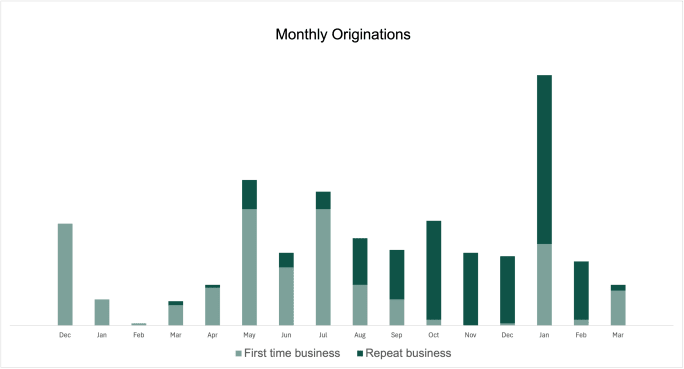
“I was thrilled to see that salons were getting the money they needed to carry them through slower times or make efforts to improve, if not expand their businesses,” said Lori Obiedzinski, who heads up Rosy’s sales and partner relations. “It was interesting to see the number of repeat advances and learn what these beauty businesses were using them for, but I have to admit the top purpose for the advance took me by surprise.”
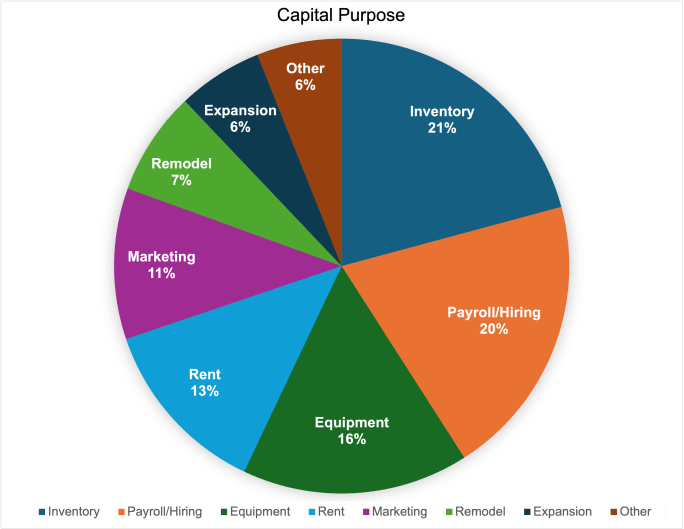
Obiedzinski quickly points out that inventory is the number one purpose cited for acquiring funds, accounting for 21% of the reasons for advances for early adaptors to the program. This ranking has led to some speculation about salon inventory.
“Perhaps retail and back bar inventory was run lean throughout the year, and the stock was needed for or just after the busy season during the holidays. Or, salons and spas are taking on new lines or expanding existing ones—there’s no way to tell based on current stats,” mentioned Obiedzinski, fascinated by the findings.
More expectedly on the list of purposes, payroll/hiring and equipment followed inventory, coming in second and third place with 20% and 16%, respectively. Rent came in fourth at 13%, then marketing at 11%, remodeling at 7%, and expansion at 6%, leaving 6% to cover everything else.
“With 29% of capital advance recipients using the funds for improvements such as equipment, remodeling, and expansion, it’s easy to see that many salons are ready to take their business to the next level, which is a great sign for the industry,” added Obiedzinski, who is hopeful that things will continue.
For business owners struggling with cash flow issues, a capital advance could be a viable solution to help manage expenses and invest in revenue-generating endeavors. With options available from various sources, it's important to evaluate options and choose the one that best suits each business’s needs. As the RosyPay Capital Advance program shows, it's possible to find a familiar and convenient source of funding that can help beauty businesses achieve their business goals.
Life of Riley Salon Supply and Riley Salon Resources are back in the family, as Kelly Huether acquires the professional distributor he co-founded in 2013.
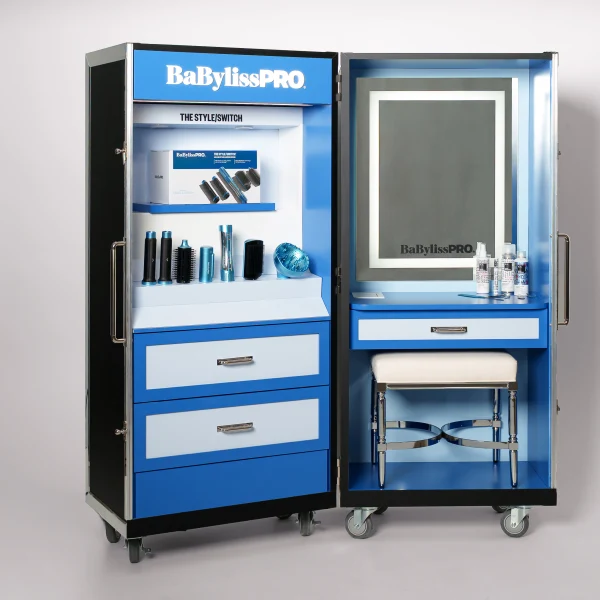
BaBylissPRO and IGK have partnered to launch the BaBylissPRO Studio Trunk, transforming the professional tool brand’s digital Style Studio into a physical experience for the first time in its sixty-year history.
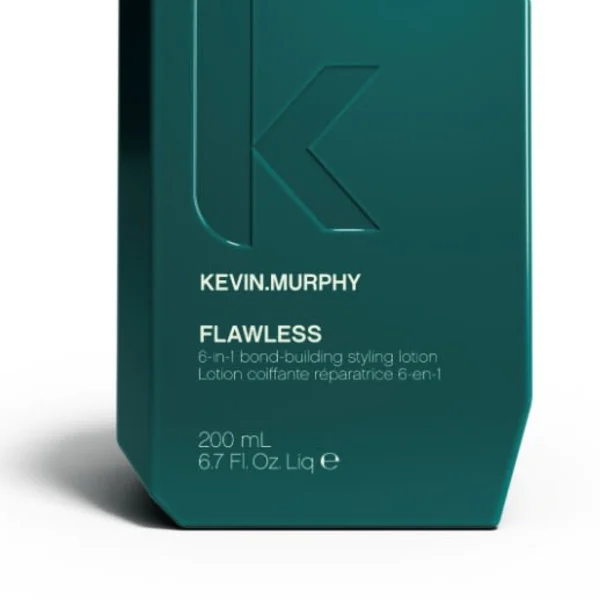
KEVIN.MURPHY's Flawless combines hair repair and styling benefits using KM.Re.Bond technology.

K18 Biomimetic Hairscience has partnered with Beauty Changes Lives to launch the K18 Future of Hair Scholarship, aiming to support aspiring professional stylists by reducing financial barriers to cosmetology education.
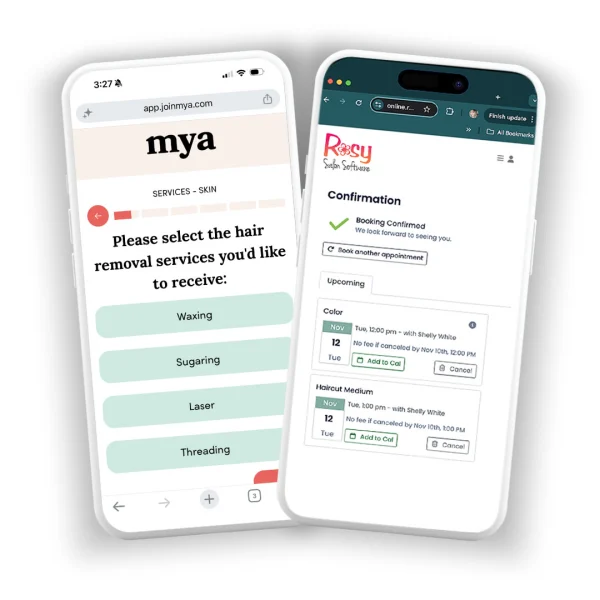
Rosy Salon Software integrates with Mya, empowering salons, spas, and barbershops to transform their websites into powerful, automated lead-generation machines.

Known for his buttery blondes and a technique for highlighting hair with more precision that he called chunking, Brad Johns died on August 27. His friend and fellow colorist, David Stanko, shares thoughts on his talented colleague and close friend.

The Green Beauty Community Foundation convenes beauty brands, salon-industry leaders, educators, and sustainability organizations for a collaborative professional beauty gathering on September 23rd in New York.

At 80, global feminist, former marriage and family therapist, executive coach, and powerlifter Barrie Zucal shows women how to stop letting “debilitating goodness” derail their dreams. Her empowering new book, BOLD: How Women Play BIG by Leading Instead of Pleasing, calls out the quiet conditioning that holds women back from achieving their ambitions — and shows them how to free themselves.
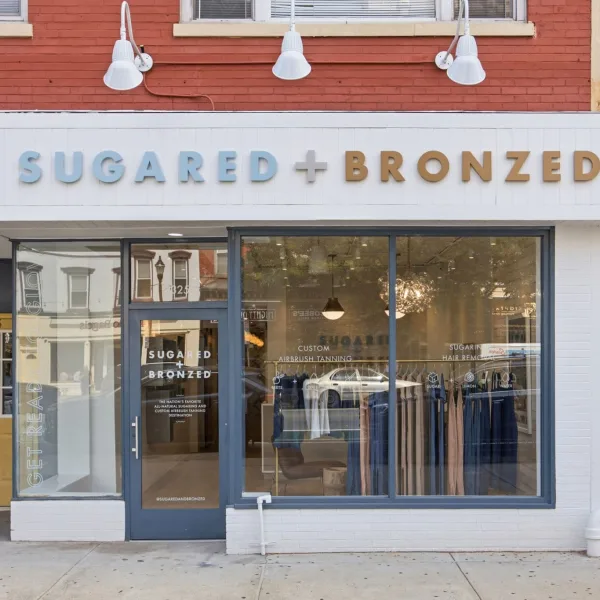
From a Santa Monica apartment startup to the nation's largest sugaring and sunless tanning brand, SUGARED + BRONZED reaches a major milestone with 50 locations across 10 markets.

The Davines Edit reflects the brand’s passion for people and planet.