








The Nail Salon Ventilation Code Every Owner Should Know
What actually counts as 'source capture' under nail salon ventilation code, and what doesn't (even if it feels like it should).
Sponsored by Aerovex Systems
 MENU
MENU SEARCH
Skincare specialists, The Derm Review, analyzed 100 of the top-selling natural skincare products to determine how many contained synthetic ingredients. Find out what are the most common synthetic ingredients, how much natural skincare products cost compared to traditional products, and what types of natural products are more likely to contain synthetic ingredients.

Skincare specialists The Derm Review analyzed the 100 best-selling natural skincare products to establish how many of these contain synthetic ingredients. The study determined:
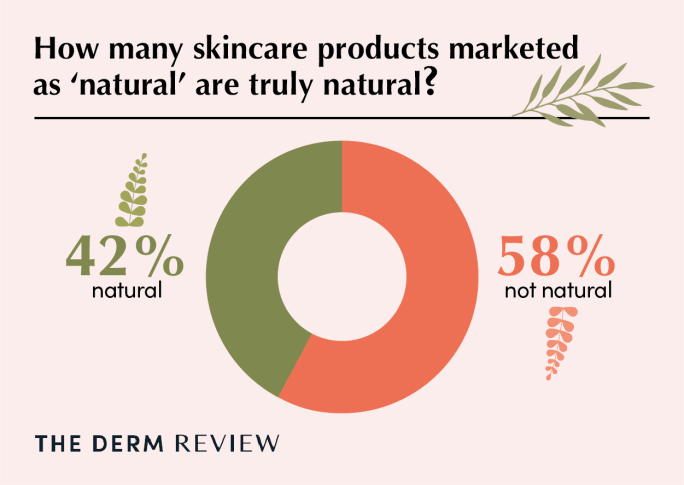
Only 42% of “natural skincare products” are truly natural
Majority (58%) of skincare products marketed as “natural”’ contain synthetic ingredients
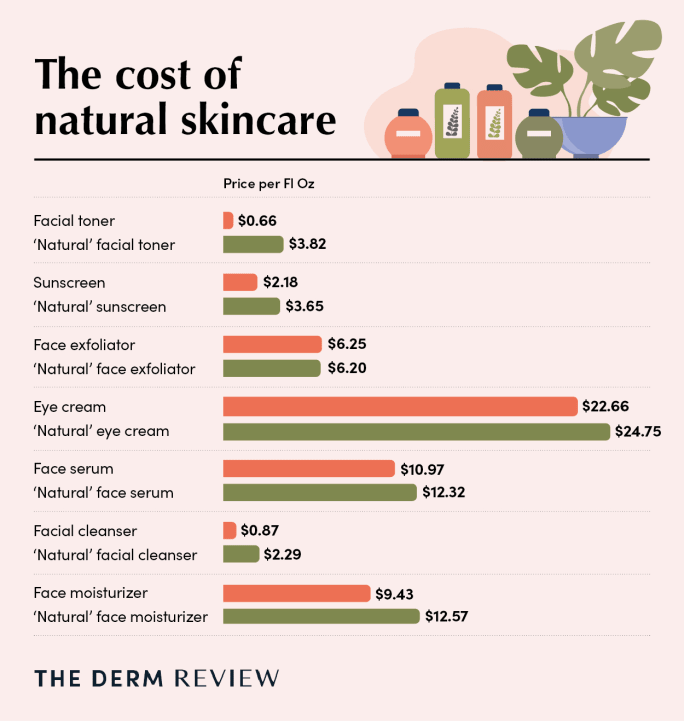
Skincare products marketed “natural” are 24% more expensive than “regular” skincare products
All of the “natural” serums in the study contained at least one synthetic ingredient
Nearly eight in ten (78%) “natural” face masks contains synthetic ingredients
“Natural” facial toners cost on average 479% more than “regular” toners.
“Natural” skincare products contain on average 2.4 synthetic ingredients
See the full findings from the research here: https://thedermreview.com/natural-skincare-study/
Skincare biochemists from The Derm Review analyzed the ingredient lists of the 100 best-selling skincare products containing the word “natural”. The study found that out of the 100 best-selling natural products, only 42 were truly natural. The majority (58%) of products included at least one synthetic ingredient.
The average number of different synthetic ingredients used in “natural” skincare products was found to be 2.4.

The Cost of Natural Skincare Products
The study found that the price of skincare products marketed as “natural” were on average 24% more expensive than skincare products that didn’t contain the word.
The most expensive “natural” skincare products were facial toners. They were found to cost 479% more than “regular” toners.

Top synthetic ingredients found in natural skincare products
Ethylhexylglycerin is the most commonly used synthetic ingredient and was found in 24% of all the “natural” products. It is deemed safe and is generally used in low concentrations in skincare products however, it can cause minor irritation to the skin and eyes if high concentrations are used.
The second most commonly found synthetic ingredient was Phenoxyethanol which was found in 22% of the products. Like Ethylhexylglycerin, it is considered safe but can cause irritation when high concentrations are used. It is used mainly as a preservative and antimicrobial agent used to help your products last longer and prolong their safety and efficacy.
Sodium Ascorbyl Phosphate comes up as the third most widely used synthetic agent and was found in 13% of the “natural” products. While being a synthetic agent, it is generally safe for all skin types, and is a type of vitamin C.
Products containing synthetic ingredients
Out of the product types The Derm Review looked out, all of the serums contained at least one synthetic ingredient. Out of the “natural” face masks on the list, 78% contained synthetic ingredients, while 58% of moisturizers and 55% of cleaners contained synthetic agents.
Are all synthetic skincare ingredients bad?
No, and not all natural products are good.
Some chemical ingredients have been scientifically developed to be more gentle on our skin and more cost-effective to formulate. Other synthetic ingredients are processed to mimic bioavailable products that may be rare or threatened in the wild, and are aiming to prevent damage to biodiversity and environmental destruction.
For consumers, it can be difficult to tell the difference between the “good” and “bad” when reading a skincare label. Some long chemical-sounding words can sound “scary”, and many consumers may feel that the product feels safer if they see ingredients they recognise on the list.
When it comes to the synthetic versus natural skincare debate, it is not black and white. However, synthetic products are often demonized, and as a result, consumers seek out to find natural alternatives. Indeed, a 2018 survey showed that the vast majority of people (90%) believe that natural or naturally-derived beauty ingredients are better for them.
It is important to remember though, that just because something is natural doesn’t mean it’s safe. Some natural ingredients, such as essential oils, could be poisonous if used incorrectly, and many natural ingredients can cause more irritation to the skin than synthetic alternatives.
Elle MacLeman, Skincare Biochemist at The Derm Review says:
“As we’ve established, natural is not always better, but despite that, consumers have the right to know whether the products they buy are indeed natural or not.”
“Sadly many brands overuse the word “natural” in their marketing in order to sell more products, and that feels misleading and deceptive. Especially as our research found that these products tend to be priced higher while not necessarily being better, safer or more environmentally friendly.”
“I think one of the problems is that the industry is pretty much unregulated when it comes to making claims. For instance, it’s common to see ‘chemical-free’ products on the shelves, but that doesn’t make any sense as even water is a chemical.”
Methodology
The Derm Review searched Amazon.com during July 2021 for phrases such as ‘natural skin care’, ‘natural moisturizer’ and looked at the top 100 best-selling products that came up within the search results. For pricing, we compared the $ per Fl Oz on products marketed as “natural” with the same type of skincare products that didn’t contain the word natural.
What actually counts as 'source capture' under nail salon ventilation code, and what doesn't (even if it feels like it should).
Sponsored by Aerovex Systems
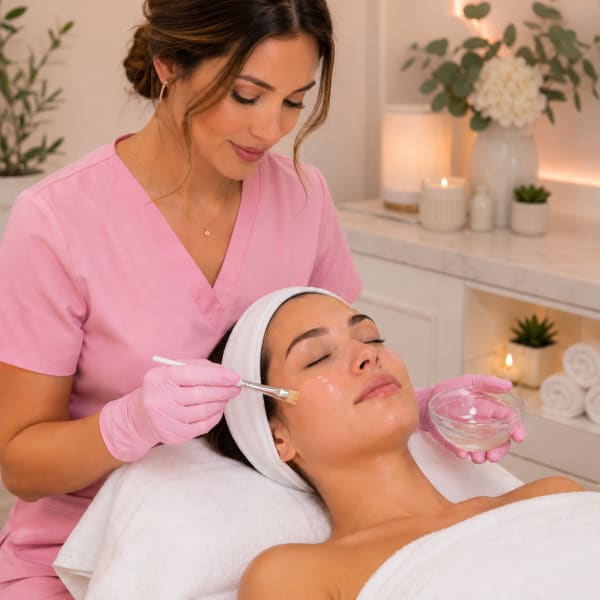
New services on the menu can create new opportunities, but they can also expose your business to greater liability. SASSI's Kathy Lopez shares a few services that pose greater risk, discusses some of the mistakes owners make when expanding their menus, and lists simple risk management strategies.

Shine Time: Aluram’s High Shine Line Delivers Moisture and Shine with Clean Ingredients
Sponsored by Aluram

Explore this curated selection of standout brands and essential products shaping today’s growing wellness and spa industry.

Neutralizing the damaging effects of water benefits the hair from texture to shine to color longevity, and it’s the science behind Malibu C products.
Sponsored by Malibu Wellness
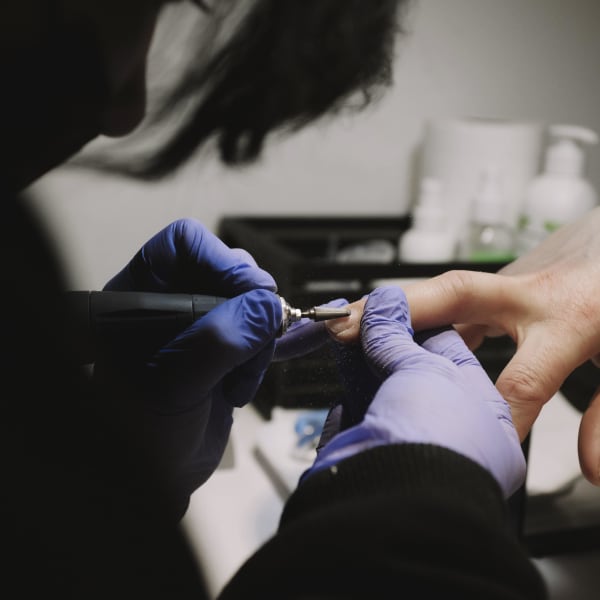
From acrylic monomers to airborne bio-dust, the air inside a nail salon carries risks most professionals never see coming. Aerovex Systems reveals the source-capture and room-purification strategies that are setting a new standard for salon safety.
Sponsored by Aerovex Systems
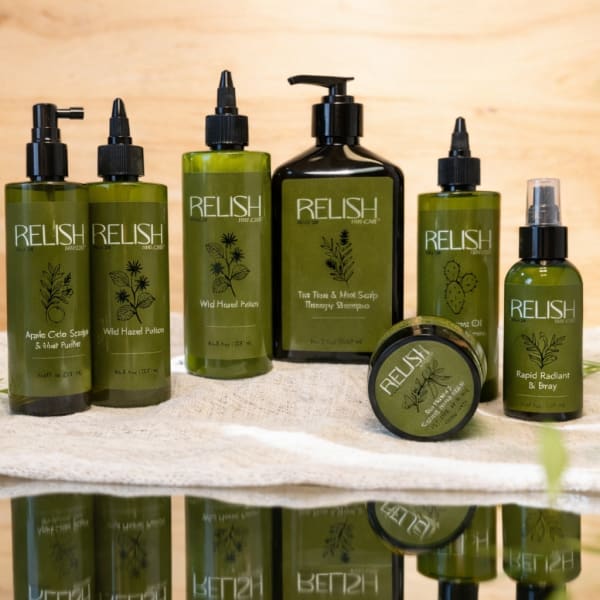
Good hair starts at the scalp. But most salons aren’t offering services or products that address scalp health. Relish, a new product line from the founders of Signature Formulations, has everything salons need to deliver an effective head spa service and offer guests a robust at-home scalp care line.

A new book by Joel Steele shows that the most powerful change people can make is to think differently if they want different results. The author believes in the 'Life Switch' so fervently that he's willing to donate $1 million from book sales when he sells his millionth copy.
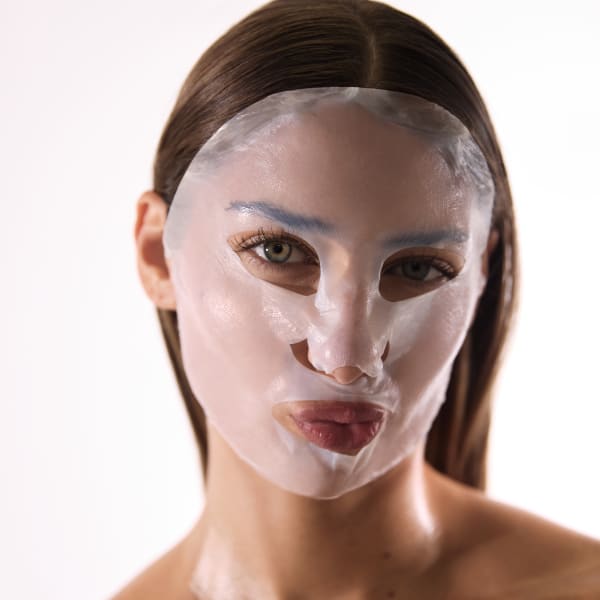
In an era where clients demand visible results with minimal recovery time, salons and spas are redefining what professional skincare means.
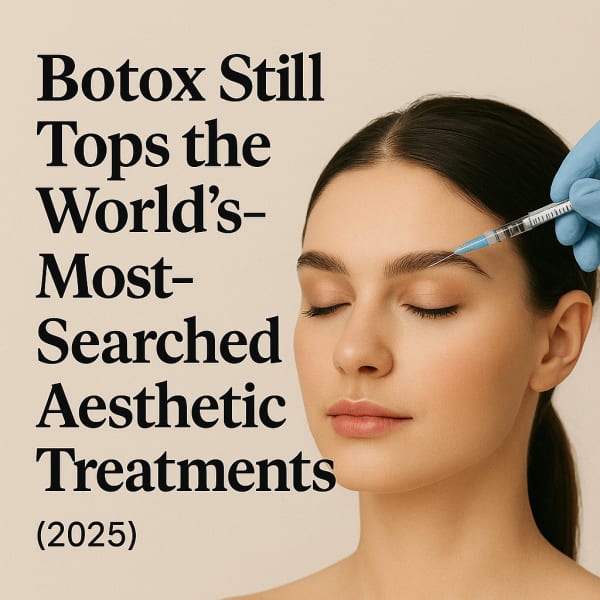
New global search data from beauty and wellness booking platform Fresha reveals that Botox remains the world’s most in-demand aesthetic treatment in 2025—but regenerative “tweakments” like polynucleotide injections, thread lifts and IV drips are seeing explosive growth across key markets.

As rates of anxiety, depression, and substance use continue to climb across the U.S., conversations around mental health are more urgent than ever—yet one crucial perspective remains missing. In her captivating new book, Aymie Daniels introduces the little-known concept of “Spiritual Emergency” and opens a timely conversation about how America understands (and often mislabels) extreme psychological states.
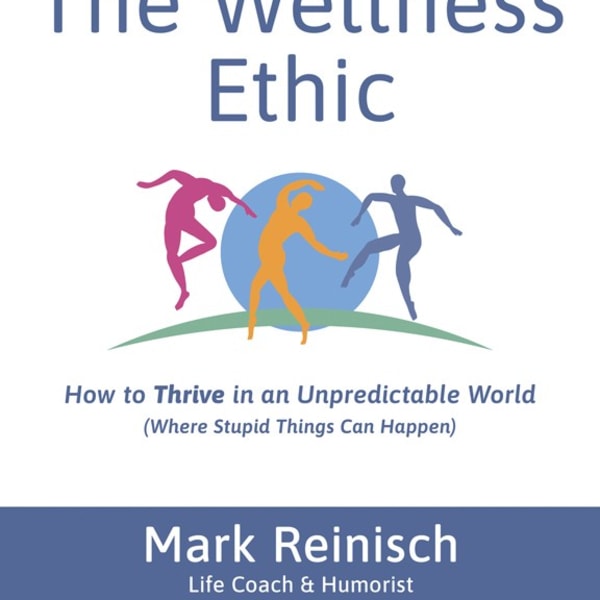
Author and Lifestyle Coach Mark Reinisch's new book challenges the outdated 'work ethic' model, which values success over health, happiness, and the soul. His antidote: wellness ethic lifestyle design--a bold, practical approach to building a life that works for you, on your terms.
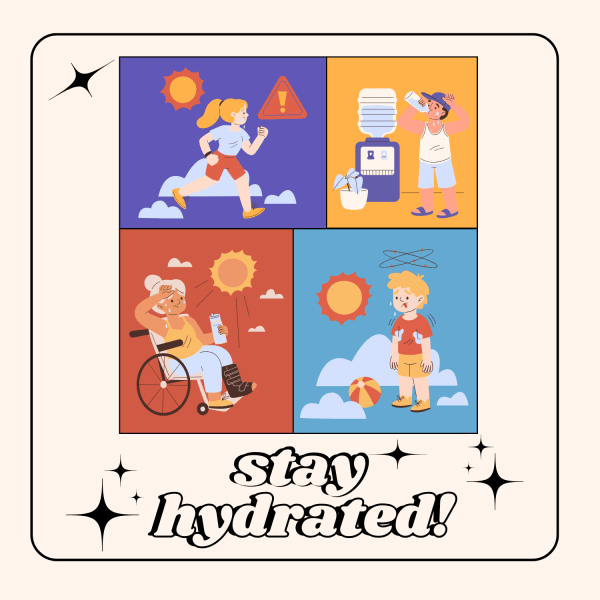
Water is a vital part of almost every process in the human body. Our Wellness Blogger Mary Wilson shows you why staying hydrated is so important and offers helpful guidelines on how to do it.

Located in downtown Denver, Sway Wellness Spa integrates the latest technology into services, offers accessible memberships, and brings a community setting to younger generations who yearn for a wellness experience that is not like their mothers'.
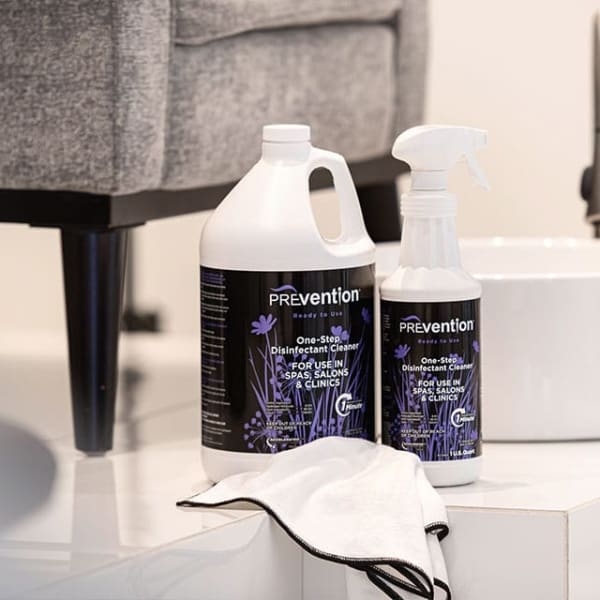
As a spa or salon professional, your clients expect more than just beauty—they expect safety, hygiene, and peace of mind. Fungal infections like Athlete’s Foot and Nail Fungus are more common than you think, especially in environments where tools and footbaths are reused without proper sanitation. This blog covers how to stop these issues before they start, using proven infection prevention strategies for salons and spas.

As the kids head back to school and the seasons shift, it might be time to clear your energy. Our Wellness Blogger Mary Wilson talks about why it's important and illustrates some of the different methods involved.

Do summer barbeques and sweet treats to beat the heat have you relaxing your healthy eating goals? Here comes our Wellness Blogger Mary Wilson to the rescue with some success hacks and meal prep tips that take advantage of the season's bounty.