FINALLY, THERE’S SOME SOLID EVIDENCE that the economy is recovering for the professional beauty industry. Professional Consultants & Resources, the leading strategic consultant and industry data source in the beauty industry, recently released its 2010 Professional Salon Industry Study, which reports overall salon industry growth at 4.5% and salon hair care growth at 4% in 2010.
FINALLY, THERE'S SOME SOLID EVIDENCE that the economy is recovering
for the professional beauty industry. Professional Consultants
& Resources, the leading strategic consultant and industry
data source in the beauty industry, recently
released its 2010 Professional Salon Industry
Study, which reports overall salon industry
growth at 4.5% and salon hair care growth at
4% in 2010.
"This is a meaningful recovery from the
deep economic recession the United States has
been experiencing," says Cyrus Bulsara, president
of Professional Consultants & Resources.
Economic recovery and loosening credit
also increased salon visit frequencies
and resulted in good product sales.
Hair color, Brazilian straightening
and basic cutting and styling services
were major growth-drivers,
primarily at booth-rentals, family/
economy chains and barbershops."
Ad Loading...
Salon haircare service
revenues experienced
strong growth: 2.75%
Hair color experienced
its best growth in years: 3.2%
Top-line highlights, trends and bright growth spots
indicate strong future industry growth:
Salon haircare service revenues
experienced strong growth at 2.75%,
mainly via family/economy chains.
Hair color experienced its best growth
in years at 3.2%, due to gray-coverage,
fashion-color and increased use
of home hair color. Booth rentals and
high-end independent salons came
out with bold new looks in Fall 2010.
Specialty products grew at a phenomenal
9.3%, due to an aging
population's use of hair-loss prevention
and volumizing products.
Hair styling products grew 6.4%, as
short, straight sleek looks continued in
popularity at major metro salons and
popular young, urban male styles
consume large amounts of product.
In comparison, shampoos and
conditioners record low growth at
1.5% and 2.7% respectively.
Ethnic products show a sharp decline
of 9.6%, as the recession disproportionately
impacts users.
New Brazilian Keratin straightening
and hair care products grew exponentially,
despite controversy.
Booth-rentals continued to grow in
certain sectors of the United States as
clients demand personalized, private
services, moving away from the big,
cookie cutter, chain salons.
Great Clips and Sport Clips, both
fast-growing economy chains, saw
good revenue and franchise increases.
Home hair styling continued to grow
and new genres of electrics and styling
tools grew 6.5%.
The study also features new sections
with analysis of barbershops by state
and percentage.
For purchasing information/questions
on the 2010 Professional Salon Industry
Haircare Study, contact Cyrus Bulsara,
president, Professional Consultants &
Resources at cbulsara@augustmail.com or
visit ProConsultants.com.
All beauty professionals should know how to identify when a client may need some health guidance. Tracy Rado discusses some common questions that clients ask in the chair, how to advise them, and when to refer them to a specialist.
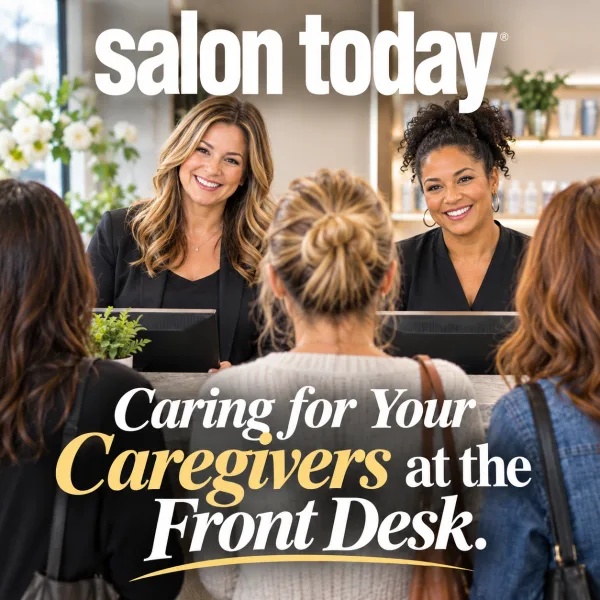
From managing air traffic on busy days to handling frustrated guests' complaints, your front desk team often serves as the salon's emotional shock absorber. From a customer service lesson from the DMV to a list of strategies for caring for your front line, our experts offer ideas for alleviating stress, celebrating wins, and setting goals.
According to the KIM Report, top-line salon revenue appears steady or slightly up, but that growth is driven primarily by service price increases. Beneath the surface, retail performance and client visit frequency (appointment drift) are under real pressure. In his latest blog, Alain Audet offers strategies for keeping your salon's retail sales strong.
Putting your family to work in the salon offers some real tax benefits, but you have you have to play by the rules of the tax code to claim them. Azarvand Tax Law's Leticia Skrabut, Esq., shows you how.
Discover how to create a true “WOW experience” for every client by first building a culture where your team feels engaged, empowered, and inspired. Drawing on Calvin Stovall’s Iconic Framework, this blog explores how salon, spa, and clinic leaders can strengthen culture, elevate customer experience, and build a business that stands out for the long term.
The wellness industry is growing fast, and salons and barbershops already are an important part of it. In her first blog, Tracy Rado shares where the wellness dollars are heading, and how salons can grow with this movement.
While salon sales are increasing, owners often feel they're working harder for the same or less profit. Leverage Q2 data from The KIM Report, Alain Audet reveals some of the structural changes that are dampening your growth and why your region and your salon size matters.
Weaknesses in your business are amplified during the Holiday Season. Spark Pro Global's Lucy Randall shows you five things to do now to have the strongest holiday season yet.
In Kati Whitledge's latest blog, she shares how salons have moved away from dress codes and embraced appearance standards. But by removing strict dress codes, some businesses may have unintentionally lowered their appearance standards. Whitledge helps you explain to your team why an appearance standard is important and how to smoothly implement a new appearance policy.
The Small Business Health Care Tax Credit is a non-refundable tax credit for for-profit businesses that provides a financial incentive for eligible employers who offer health insurance coverage to their employees. Leticia Skrabut, Esq., walks you through how to claim that credit.
Developing strong work habits early in one's career supports long-term success in the salon industry. Jesse Linares offers new stylists his top five tips.
Most salon owners have no idea what these numbers are.
You can hit record sales and still have a profit problem. The difference comes down to four numbers almost nobody was taught to track.
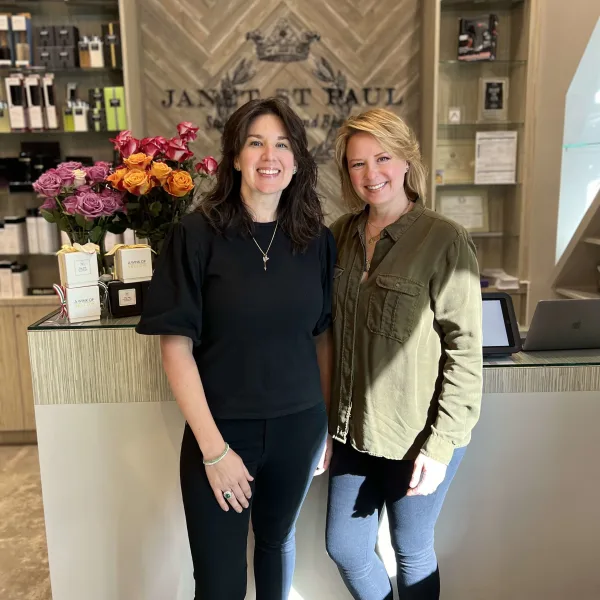
At Janet St. Paul Studio for Hair and Beauty, Director of Operations Natasha McMillen helps bring her wife Janet St. Paul's vision to life, elevating every system from education to operations.