In the salon, you have sophisticated management software technology that schedules your books and tracks all aspects of sales. Now you can get software to manage your color room, too.
SureTint Color Management Software studies the human factors of how the colorist formulates, prepares and dispense haircolor; stores clients’ formulations and histories and manages haircolor inventory. The step-by-step system works with any haircolor brand, and ensures accurate results, reduces errors and simplifies color training, all without interfering with the colorists’ creativity, says Michael Wright, SureTint CEO.
Ad Loading...
Residing in the color room, the compact system leverages smartphone-type navigation, making it easy for colorists to learn and use. Colorists are able to adjust the color batch and recalculate a formula according to a client’s unique hair properties at the press of a button. Data on each of the salon’s colorists can be collected by the owner and used for training purposes. “While the colorist appreciates the SurtTint system at about an eight on a scale of one to 10, the salon owner’s appreciation is more like 99,” laughs Wright. “That’s because of the system’s role in managing inventory—salons who use it realize color product savings not less than 33 percent, but some as high as 57 percent. Even in a small salon where the average annual color spend is $30,000, they can cut that to $18,000 while servicing the same amount of clients.”
While the system can seem pricey, most salons see payback in seven months or less, and start realizing all the profits. “Before SureTint, our colorists were really compliant in color, but we’ve still seen a minimum of $25,000 less in product ordering, which is really exciting,” says Frank Gambuzza, who co-owns Salon Visage in Knoxville, Tennessee, with his wife Belinda.
Training a colorist to use the system takes about 20 minutes and they adapt fairly quickly. “Although when we first brought in the system our team thought we were a bit nuts, within a month they were really into it,” says Belinda. “A few months later the data went down for a day, they were really going crazy and it was a great confirmation that we knew what we were doing.”
Salon Visage keeps theirs out of the floor, because they have an open color room, and the Gambuzzas say clients love to see the team use it and they view the colorists as more professional. “It also gives young colorists an extra boost of confidence in their formulation,” says Belinda. “But it also makes me feel more confident and I’m a seasoned colorist. I love that a client can come in and say, ‘I loved my color February of last year, I’d really like that again, and you can look in the system and find the exact formula you used.’ As an owner, I love it because all the guests’ formulas stay with us, so we can recreate a guest’s color even if her stylist leaves us.”
“In today’s salon environment with rising costs of everything, cash is king,” concludes Frank. “This helps us not tie up additional costs in inventory because we make ordering decisions based on real data versus gut feeling.”
All beauty professionals should know how to identify when a client may need some health guidance. Tracy Rado discusses some common questions that clients ask in the chair, how to advise them, and when to refer them to a specialist.
From managing air traffic on busy days to handling frustrated guests' complaints, your front desk team often serves as the salon's emotional shock absorber. From a customer service lesson from the DMV to a list of strategies for caring for your front line, our experts offer ideas for alleviating stress, celebrating wins, and setting goals.
According to the KIM Report, top-line salon revenue appears steady or slightly up, but that growth is driven primarily by service price increases. Beneath the surface, retail performance and client visit frequency (appointment drift) are under real pressure. In his latest blog, Alain Audet offers strategies for keeping your salon's retail sales strong.
Putting your family to work in the salon offers some real tax benefits, but you have you have to play by the rules of the tax code to claim them. Azarvand Tax Law's Leticia Skrabut, Esq., shows you how.
Discover how to create a true “WOW experience” for every client by first building a culture where your team feels engaged, empowered, and inspired. Drawing on Calvin Stovall’s Iconic Framework, this blog explores how salon, spa, and clinic leaders can strengthen culture, elevate customer experience, and build a business that stands out for the long term.
The wellness industry is growing fast, and salons and barbershops already are an important part of it. In her first blog, Tracy Rado shares where the wellness dollars are heading, and how salons can grow with this movement.
While salon sales are increasing, owners often feel they're working harder for the same or less profit. Leverage Q2 data from The KIM Report, Alain Audet reveals some of the structural changes that are dampening your growth and why your region and your salon size matters.
Weaknesses in your business are amplified during the Holiday Season. Spark Pro Global's Lucy Randall shows you five things to do now to have the strongest holiday season yet.
In Kati Whitledge's latest blog, she shares how salons have moved away from dress codes and embraced appearance standards. But by removing strict dress codes, some businesses may have unintentionally lowered their appearance standards. Whitledge helps you explain to your team why an appearance standard is important and how to smoothly implement a new appearance policy.
The Small Business Health Care Tax Credit is a non-refundable tax credit for for-profit businesses that provides a financial incentive for eligible employers who offer health insurance coverage to their employees. Leticia Skrabut, Esq., walks you through how to claim that credit.
Developing strong work habits early in one's career supports long-term success in the salon industry. Jesse Linares offers new stylists his top five tips.
Most salon owners have no idea what these numbers are.
You can hit record sales and still have a profit problem. The difference comes down to four numbers almost nobody was taught to track.
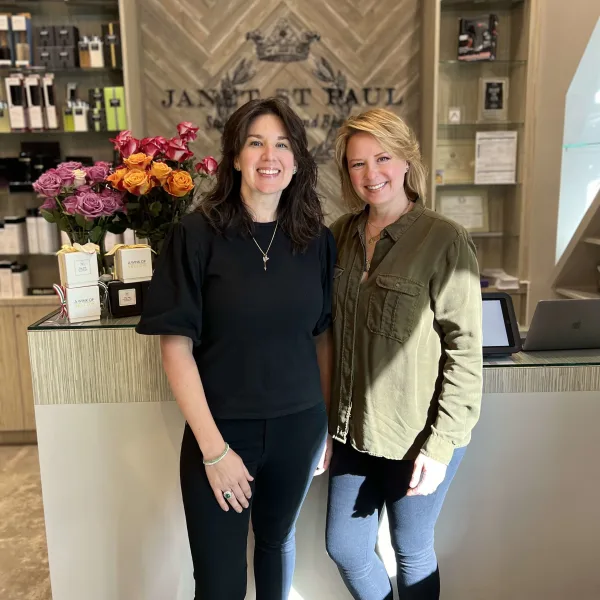
At Janet St. Paul Studio for Hair and Beauty, Director of Operations Natasha McMillen helps bring her wife Janet St. Paul's vision to life, elevating every system from education to operations.