











You Don't Own a Salon. You Own A Business.
In his latest blog, Leon Alexander Ph.D., challenges industry conventional thinking to help owners add more to their bottom lines.
 MENU
MENU SEARCH
She believes in owning up to her mistakes and making them right; sharing her goals with her universe to keep herself accountable, and encouraging her team to give back to the community. Meet Lisa Houser, owner of Utopia Salon and Day Spa in Vancouver, Washington, and discover why if didn't own a salon, she'd want to be a store greeter.
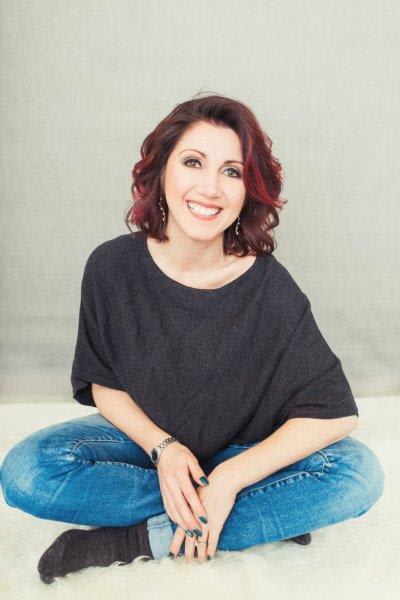
If her high school's auto class would have allowed girls, Lisa Houser's life could be a lot different.
A second-generation hairstylist born and raised in New York, Lisa Houser knew in high school she either wanted to be an artist or work on cars. But auto class wouldn’t allow girls at that time, and the high school’s art class was too restrictive, so she ended up pursuing cosmetology. “It seemed natural since nails are much like auto body, and hair is a creative art form just like painting.
Fast forward and you’ll find that Houser has been in the industry 33 years, the last 15 as the owner of Utopia Salon and Day Spa in Vancouver, Washington. She loves traveling for education and serving on the cosmetology boards of local schools.
As part of SALON TODAY’s Profiles in Leadership series, we recently had the chance to interview Hauser one-on-one about how she’s grown into a leader and what’s next on her horizon.
ST: From where does your entrepreneurial drive originate?
Lisa: ”I believe it comes from my desire to succeed and change the world. Failure is not an option, but life lessons are certain. Every obstacle makes me stronger and smarter. Of course, being a mom to two daughters drives me to be the best every day, and show them how to be passionate and successful in business.”
ST: What is your strongest leadership quality and how has it helped you grow your business?
Lisa: “Transparency. I believe having an open door policy is important for team building and trust. It allows us to communicate freely with each other and address items. I think this has helped us grow because the team knows we are here to support them.”
ST: How would you describe your management style? What makes you a good leader, and what areas would you like to improve?
Lisa: “I believe what makes me a good leader is my desire for everyone to succeed and be their best. I am open and honest and want to be as fair as possible. I participate and am involved in the daily operations and chores. We are a team and no one is too big to pitch in. I definitely need to improve on accountability.”
ST: What’s the best lesson you learned after making a mistake?
Lisa: “That we are all human and we all make mistakes. What’s important is to own up to it, be honest and then make it right.. Every obstacle makes you grow. Making it right makes you a hero.”
ST: What “Ah-Ha” moments of clarity helped you shape the future course of your business?
Lisa: “That the chair rental business model wasn’t for me. I wanted to create a culture of community, education and togetherness and that was difficult to do when you technically are a landlord. Switching to an employee-based salon was the scariest, but the best thing, I ever did for my business and for my team. The growth has been amazing for everyone.”
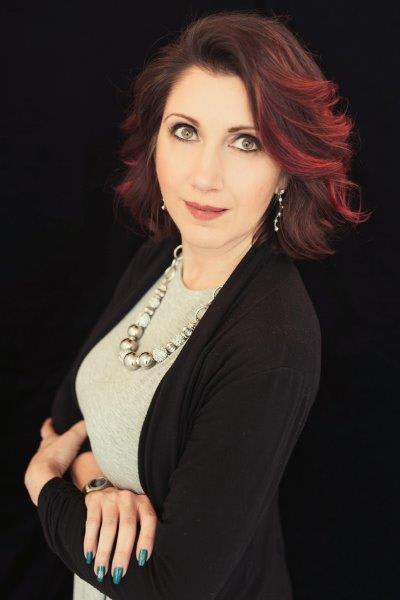
"I've learned we are all human and we all make mistakes. What is important is to own up to your mistake, be honest, then make it right. Making it right makes you a hero," says Lisa Houser.
ST: How do you set goals for yourself?
Lisa: “You cannot hit the big, hairy goals without hitting the small ones. I set a small attainable personal goal weekly so I keep my promises to myself. I set weekly, monthly, quarterly and annual goals. I have matched some of them to shapes and colors and have them written around my house as a constant reminder. I share my goals with my team, my family and friends, and my coach. The more people who know, the more accountability there is. I check in and celebrate small wins and detach from the outcome of the big ones, knowing that something else may come along and change my course.”
ST: If you weren’t in the beauty business, what would you be doing now?
Lisa: “I think I would be the greeter at a store. I just want to make people stop for a moment, look up from their phone and smile. I want to try to make their day, be present and connect.”
ST: How would you like to spend your retirement?
Lisa: “At this point I cannot imagine retirement. But when it happens, I believe I will still volunteer, travel and mentor those in this amazing industry.”
ST: Describe your ideal team member.
Lisa: This is our Vision Statement for Utopia Salon’s Ideal Team Member. We have this posted in the back rooms and our private group page. ‘As an ideal Utopia team member I have a passion for the industry and take pride in myself and the work I perform. I put the salon and client’s best interest to heart and work as a team to create an inviting, friendly, comfortable environment, while maintaining professionalism. I am a driven, self-motivated individual who will pay attention to detail and not hesitate to help a team member. I will be pro-active and do not need micro-management but welcome suggestions. I strive to grow, be educated, and be positive, goal oriented and friendly even under stress. I have outstanding communication, customer service, and listening and people skills. My appearance and demeanor are always professional as I know this is a reflection of me and the salon, as I will attract what I project. I will end each day celebrating their accomplishments, accepting accountability and responsibility and plan for tomorrow.’”
ST: Whom do you lean on for advice/support/wisdom?
Lisa: “I lean on most people in my circle. I try to surround myself with those who inspire me. I lean on my team because they are the reason I do this. I lean on my coach because she has been there, and most important I lean on my husband because he is the best listener I know and has been very successful in his business—plus he knows me the best.”
ST: Describe your company’s culture and what you do to drive that culture?
Lisa: “Utopia's culture is that of community and education. We believe it is important to be a part of and support our community in every way possible. The team plays a part in giving back through services, volunteering and mentoring. We believe in education for both staff and guests. For our guests we want you to know what, why and when we do something and how you can accomplish your look at home, so they can make educated decisions. For the team we want to develop the whole person into a well-rounded individual. Our education goes beyond technical skills and includes personal development, financial, communication, safety, etc.”
ST: What do you hope is your legacy?
Lisa: “I hope at the end of the day my legacy is one of giving back to my community and to the hair industry. I want to change the way our industry is viewed, create a place where stylists can live their passion and make a great living—where together we can grow community in service.”
ST: Why did you want to join Intercoiffure Canada America (ICA)?
Lisa:” I wanted to join Intercoiffure to learn and connect with industry leaders. I have learned that to succeed and grow, you need to surround yourself with those who are at the level you want to be. Intercoiffure is the best in our industry and I want to be the best and most successful I can be.”
ST: What has been the biggest benefit you have received from your ICA membership?
Lisa: “The biggest benefit I have received in my first year is connection. To be able to sit with the biggest most successful salon owners and stylists and pick their brain is amazing. Confiding in the struggles with people who have been there and can relate to the passion you have to change the industry is not like anything else.”
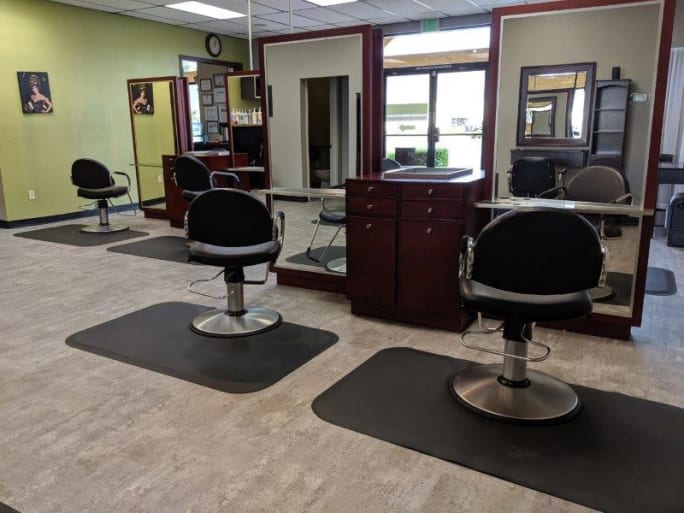
An inside look at Utopia Salon and Day Spa in Vancourver, Washington.
In his latest blog, Leon Alexander Ph.D., challenges industry conventional thinking to help owners add more to their bottom lines.
In her latest blog, Amy Pal helps you develop your own clear guidelines around complimentary free employee services.
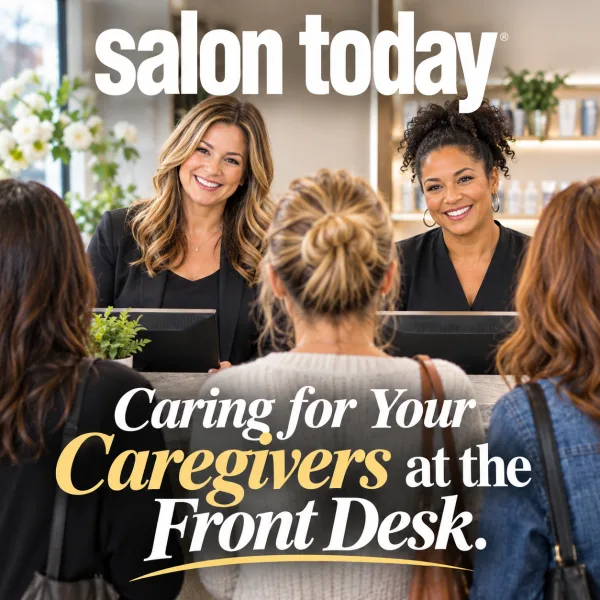
From managing air traffic on busy days to handling frustrated guests' complaints, your front desk team often serves as the salon's emotional shock absorber. From a customer service lesson from the DMV to a list of strategies for caring for your front line, our experts offer ideas for alleviating stress, celebrating wins, and setting goals.

According to the KIM Report, top-line salon revenue appears steady or slightly up, but that growth is driven primarily by service price increases. Beneath the surface, retail performance and client visit frequency (appointment drift) are under real pressure. In his latest blog, Alain Audet offers strategies for keeping your salon's retail sales strong.
Putting your family to work in the salon offers some real tax benefits, but you have you have to play by the rules of the tax code to claim them. Azarvand Tax Law's Leticia Skrabut, Esq., shows you how.

Discover how to create a true “WOW experience” for every client by first building a culture where your team feels engaged, empowered, and inspired. Drawing on Calvin Stovall’s Iconic Framework, this blog explores how salon, spa, and clinic leaders can strengthen culture, elevate customer experience, and build a business that stands out for the long term.
Sponsored by Phorest Salon Software

The wellness industry is growing fast, and salons and barbershops already are an important part of it. In her first blog, Tracy Rado shares where the wellness dollars are heading, and how salons can grow with this movement.

While salon sales are increasing, owners often feel they're working harder for the same or less profit. Leverage Q2 data from The KIM Report, Alain Audet reveals some of the structural changes that are dampening your growth and why your region and your salon size matters.
Weaknesses in your business are amplified during the Holiday Season. Spark Pro Global's Lucy Randall shows you five things to do now to have the strongest holiday season yet.

In Kati Whitledge's latest blog, she shares how salons have moved away from dress codes and embraced appearance standards. But by removing strict dress codes, some businesses may have unintentionally lowered their appearance standards. Whitledge helps you explain to your team why an appearance standard is important and how to smoothly implement a new appearance policy.

The Small Business Health Care Tax Credit is a non-refundable tax credit for for-profit businesses that provides a financial incentive for eligible employers who offer health insurance coverage to their employees. Leticia Skrabut, Esq., walks you through how to claim that credit.

Developing strong work habits early in one's career supports long-term success in the salon industry. Jesse Linares offers new stylists his top five tips.

Most salon owners have no idea what these numbers are. You can hit record sales and still have a profit problem. The difference comes down to four numbers almost nobody was taught to track.
Sponsored by Strata Salon Systems™

A five-area audit every owner-dependent salon needs to run. You built something that looks successful. Now find out if it can survive without you.
Sponsored by Strata Salon Systems™

Every month you put off fixing the problem, it gets bigger, more expensive, and harder to solve.
Sponsored by Strata Salon Systems™
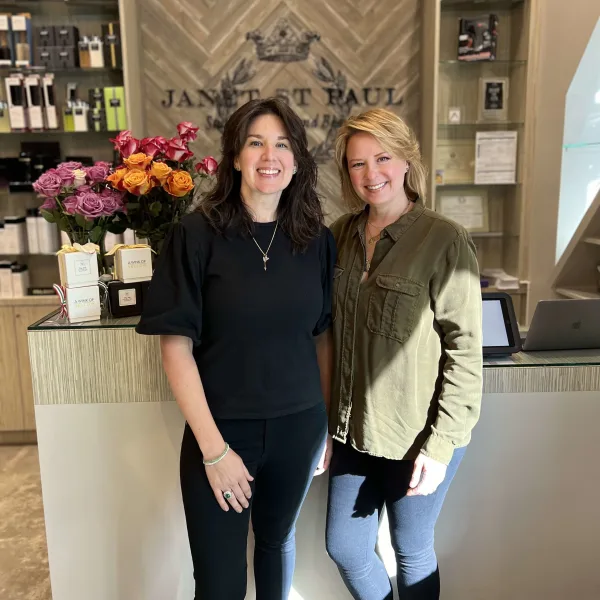
At Janet St. Paul Studio for Hair and Beauty, Director of Operations Natasha McMillen helps bring her wife Janet St. Paul's vision to life, elevating every system from education to operations.

Expand your color service menu with the Pinstripe technique. Brooks and Brooks' Marlon Hawkins walks you through the technique.