










Branding: The Thing Most Salons Skip
In his first blog with SALON TODAY, Roei Cohen, general manager of Valery Joseph Salons with locations in New York, The Hamptons, and Miami, discusses all the little things that add up to a salon's brand.
 MENU
MENU SEARCH
Marketing your color services in a media-savvy world boils down to beautiful hair and happy clients. Here, industry leaders share their favorite tools for marketing color services.
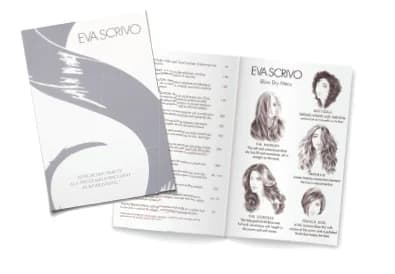
Eva Scrivo's salon menu reflects the business.
Whether you’re posting weekly before-and-afters on Instagram or creating clever marketing programs to promote seasonal services, your guests remain your best advertisement. Owners agree that a client who walks out the door with gorgeous, healthy hair and a desire to refer her family and friends is their color department’s strongest marketing tool.
As a celebrity stylist for Matrix and in his role at The Salon by InStyle at JCPenney, Nick Stenson has enjoyed a unique perspective working with teams of stylists and colorists across the country.
“The landscape of color has dramatically changed,” he says. “It’s more about dimensional, freeform color and accent colors.”
He says the color conversation needs to be more visual when clients come to the salon for a consultation.
To make that happen, the Salon by InStyle provides coffee table books to help stylists explain techniques like balayage, which clients might like the look of but not know the proper terminology to communicate with their stylist.
“These books allow stylists to show clients options—it’s an opportunity to upsell,” he says.
At Eva Scrivo Salons in New York City, owner Eva Scrivo and her colorists give clients complimentary treatments, glazes and even highlights if they want to introduce balayage to a client.
“We’re very generous with our services and as a business to our clients,” Scrivo says. “We believe marketing is about developing relationships and getting referrals.”
To support this, Scrivo trains her staff from within with a three-year training program and consistent training after.
“It’s the only way to control quality—to be responsible for all the education in house,” she says. “Education is critical to the overall business model and can be your best marketing tool.”
Karie Bennett, owner of three Atelier salons in San Jose, California, agrees that education is key, not just for staff, but also for clients.
“We bring in a lot of education,” Bennett says. “When we have a class, we take photos of our staff doing hands-on techniques to post and show clients.”
Bennett says this lets the client know the staff is staying current and keeping up with color trends, which is a form of marketing for the salon. Clients also know their colorists are participating in ongoing education, and therefore are always going to deliver a great service.
Scrivo says that though education and referrals are effective marketing tools, sometimes you need an outside party to give business a nudge.
“You can’t say how great you are. Someone else has to do that, which is also why it’s important to understand the investment of hiring a PR firm,” she says.
“Working with different media outlets, special events, corporate affairs—they all allow you to speak to many people. Every speaking engagement and interview I do as an owner allows me to build clientele.”
Beth Minardi, co-owner of Studio B in New York City (with Sam Brocato) and color educator is also a proponent of using a PR agency to promote your business and market yourself as an expert.
“I believe hiring a publicist is helpful—you’re a hairdresser, not an ad accountant,” she says. “And if you’re an independent contractor, don’t just rely on social media, carry a professional business card with you everywhere you go.”
But Minardi’s most effective marketing tool is the service she delivers.
“I want to elevate salon hair color to an art form with great atmosphere, comfort and clients who enjoy the salon experience,” she says.
Minardi feels every person who sits in her salon is a marketing opportunity, so she keeps them informed about what's happening in the salon, whether it’s a new staff member or a product deal.
“It’s not just about being able to talk about hair,” she says. “You also need to be able to converse with people about their lifestyle and present yourself appropriately.”
Clients of Studio B love their color and the service they receive, so referrals are plentiful.
“Our best marketing tool is our work, but it’s also the way clients are spoken to in the salon. Our staff is trained to speak professionally, and clients appreciate it,” she says.

When clients aren’t in the salon, owners have found the best place to reach them is online—specifically on social media platforms.
“When we have something really great to share, I usually create a Facebook ad,” Bennett says. “I do it from my phone and choose my audience. I then pick keywords, like ‘Coachella’ if I’m doing an ad for high-fashion color, or certain brands I think my audience would be interested in like Sephora and Nordstrom, or use a term like ‘mermaid hair’ if that’s what I’m marketing.”
Bennett pays Facebook a fee to reach key demographics, targets a radius and runs her ads for seven to 14 days.
“I probably spend about $200 a month and do it on the fly, so I can move quickly," she says. “Sometimes, you need to move like an ocean liner, and sometimes you need to be a Jet Ski. Facebook is the Jet Ski of my marketing. Something comes up and I can blast it out—no need to plan long term.”
Scrivo uses one of her most valuable assets on Facebook—her large archive of photos. The salon has invested in a professional camera and lighting so when they take photos in the salon, clients (and professional models) look their best.
“Every time we feel inspired by one of our stylists’ work or something that has been created in our salon, we document it through photography,” she says.
Scrivo uses this portfolio of images on Instagram and other social media platforms.
“Instagram is the perfect place to show the artistic power of our colorists through before-and-after images,” she says. “Our lighting clearly shows makeup and color details, showing it off to true form.”
The salon also has a social media director who works on the accounts to make sure appropriate content is being posted on the right platform.
“We find Facebook is wonderful for storytelling, and Instagram is young and industry-focused,” Scrivo says.
The Salon by InStyle also utilizes photoshoots. The salons release two trend collections per year—spring/summer and fall/winter with 100-110 looks in each.
The team then makes how-to videos for stylists and sizzle videos for the client. JCPenney short promo videos help market current trends.
Even with phone in hand, clients still love one traditional marketing tool salons offer: the menu.
This visual piece gives them something to stick in their purse to peruse later or look over service options they may not know existed.
At The Salon by InStyle, the menu is switched up annually or semi annually to stay current.
“Menus can let clients know to choose an accent highlight if they want to tiptoe into color,” Stenson says. “If they want something more customized, balayage is the way to go.”
The Salon by InStyle markets heavily around the seasons, as well. In the summer, treatments to prevent color fade are promoted, in the fall, back-to-school accent lowlights might be featured.
“It’s effective because it mimics the time and place in peoples’ lives and what they really need,” he says. “Traditional color used to be every four to six weeks. Now we’re seeing it every eight to 12 weeks. Salons have to find ways to bring in clients for different types of touch-up and rinse-out products to maintain.”
Minardi also relies on her salon menu—not just to educate clients on services, but also to tell the story of who the owners are and what they should expect at Studio B, giving the salon’s history, staff bios and more.
For Scrivo, her menu isn’t just a tool to provide information; it’s a work of art.
“We take great pride in all of our graphics and have worked with the same artist for 20 years,” Scrivo says. “He understands our brand, color palette and type of communication important to us and clients as we are very specific in our message.”
The menu folds out and includes illustrations, a list of services and price ranges for color.
“We have to put a range—like highlights from $160-$500—by law,” she says. It must have a fi nite number or it is construed as misrepresentation.”
The range is large due to a wide variety of experience levels, so clients first speak with the receptionist, or “beauty concierges,” to decide their service. The concierge takes extensive notes, which then pop up in the software for the colorist.
“The concierges really understand what the client is looking for and it helps them have a more meaningful consultation with their colorist when they arrive,” Scrivo says. “If you’re in a smaller salon and the receptionist doesn’t have time to take a long call, do a follow-up call to understand exactly what the client is looking for, including sending in photos, and who the best stylist is to meet her needs.”
Directing clients to a well-written and designed website is another way to purposefully market your color services and entice new clients into your salon.
On Studio B’s website, Minardi wrote the copy herself. “I had to make it very clear who I am, what Studio B is and our philosophy,” Minardi says. “I advise other salon owners to develop a philosophy and tell people. If it’s quick service and high-contrast color, make that clear. If you do soft, more natural work, specify that.”
She says explaining your customer service and color care philosophies are also important.
At Atelier, the website is an avenue for new business.
“We have a new color guest offer on our site,” Bennett says.
Although the offer is a preliminary method of getting new clients into the salon, that’s not why they stay.
“The best marketing you can do is to send beautiful color out your door,” Bennett says. “Make sure everyone in the salon has gorgeous color; why would you go to a hair stylist who didn’t have beautiful, healthy hair?”
Whether you’re marketing regularly on social media and online, with referral programs or via traditional ads, beautifully done color speaks for itself.
Originally posted on Modern Salon
In his first blog with SALON TODAY, Roei Cohen, general manager of Valery Joseph Salons with locations in New York, The Hamptons, and Miami, discusses all the little things that add up to a salon's brand.

The lastest KIM Report shows service tickets are up by 3%, but there's been a frustrating 1% drop in clients walking through salon doors. The KIM Report's Alain Audet shows you how to market your way through the slump.

August is time for parents to drag their kiddos into the salon for that picture-ready, back-to-school haircut, and September is a great month for weary moms to reward themselves at the spa. Handwrytten's David Wachs offers five strategies for improving your back-to-school marketing campaigns.

Gen Alpha grew up in a world built around them, and they're already booking appointments. Danielle Anderson explains why this generation is the most valuable future guest your salon will ever have, and how to win her (and the parent who pays) is a whole new ballgame.
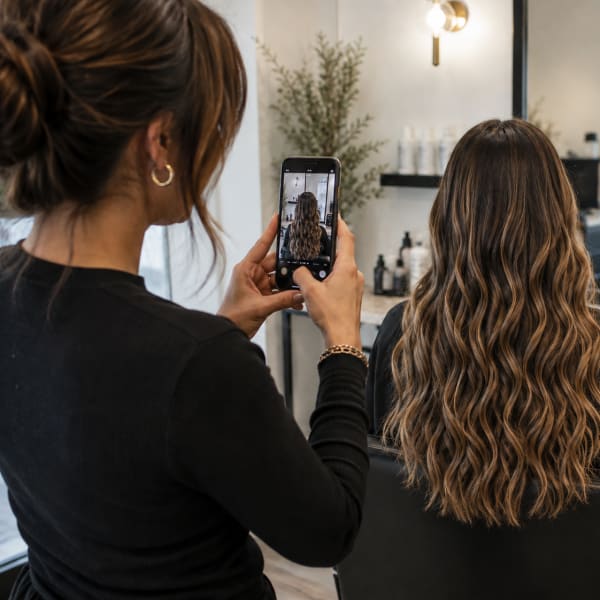
As important as social media is for marketing your business, it also can open owners up to liability issues. SASSI warns of the risks and shows you how to protect yourself.

Shine Time: Aluram’s High Shine Line Delivers Moisture and Shine with Clean Ingredients
Sponsored by Aluram

In his new book "The Creative Mastermind," a writer and creative executive behind brands such as "Top Chef," "Fear Factor," and "Real Housewives," shares his insider knowledge for navigating today's chaotic content landscape.
Your salon software is the backbone of your business. And now is the time of year to evaluate its efficiency: Is it providing the tools you need to grow? Does it improve the guest experience? How does your team interact with it? Are you happy with your software’s customer service? If you’re not getting what you need from your current software, it may be time for a switch.
Sponsored by Shortcuts Software USA

Inside the Systems That Power an Elevated Salon Experience From seamless online booking to a team-first culture, J Gold Salon in Atlanta offers more than great hair—it delivers consistent, high-touch service with the help of partners like Boulevard and American Express.
Sponsored by Amex
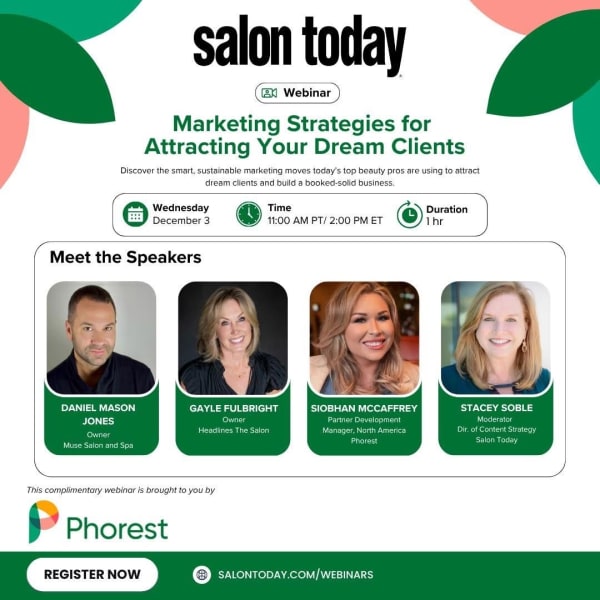
In the SALON TODAY webinar sponsored by Phorest Software, Daniel Mason-Jones, Gayle Fulbright and Siobhan McCaffrey share successful marketing strategies that drive ideal clients and future talent into salons.
Are you taking advantage of your tech? Phorest guides the way to your best business.
Sponsored by Phorest
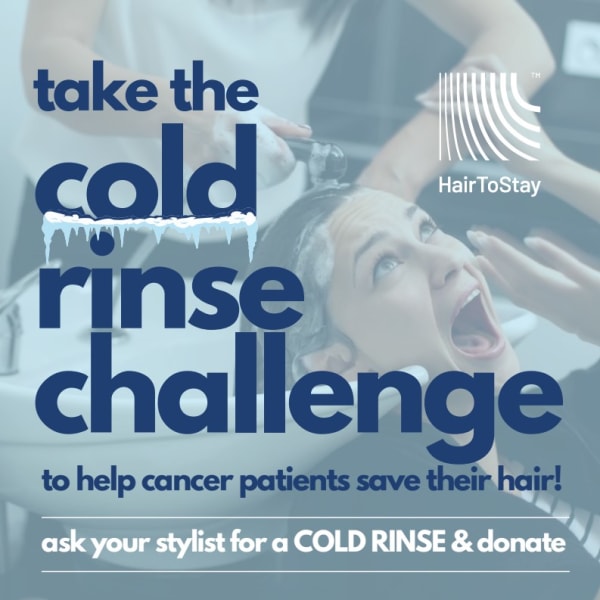
The national social media campaign challenges individuals to dip, dun or douse their hair with cold water for a good cause. Find out how to get your team and your clients involved in this charity that's perfectly aligned with the beauty industry.

A marketing expert launches a separate website to drive new clients to the salon's extension services and explains how SEO is growing this category for them.

In a class targeted to salon owners and managers, Summit Salon Business Center's Kristi Valenzuela offers a quick assessment and a list of success strategies designed to help them boost gift card sales.
Mother's Day is an excellent opportunity for gift card and retail sales for salons and spas, but an interesting new study ranks the states where mothers tend to received the best celebrating.
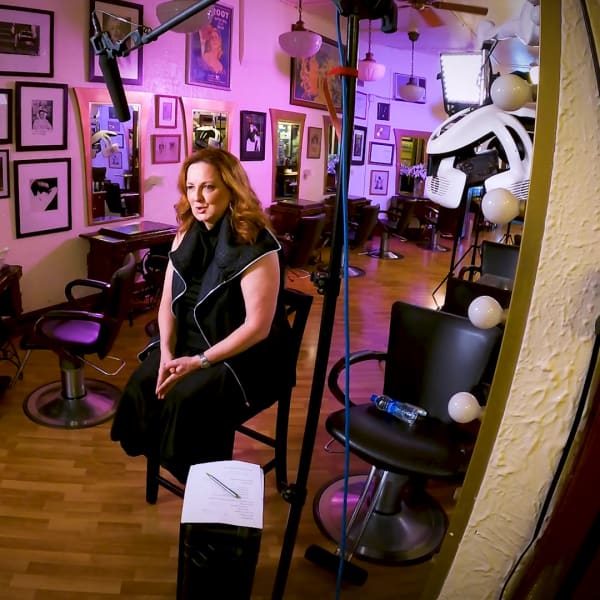
Hear first-hand from master trichologist Karen Gordon what the “root causes” of hair loss are and what the size of the hair loss/hair replacement market is today. Learn how YOU can get into this lucrative and fulfilling field, assessing your clients’ conditions and adding REVENUE to your business by offering this service and the retail products related to it.
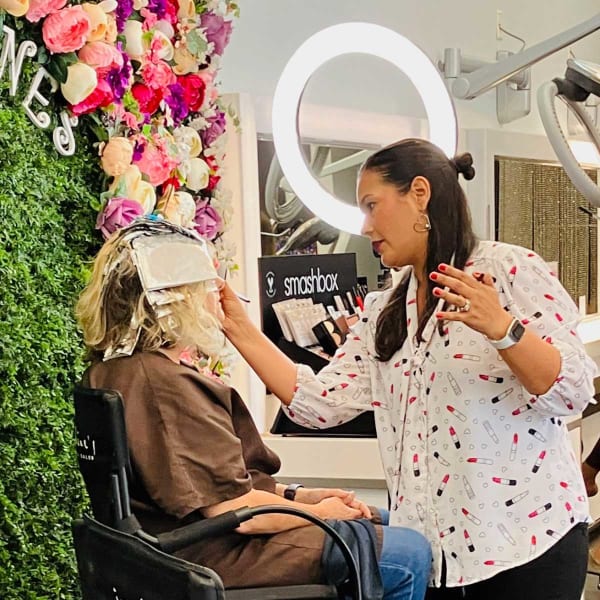
Cash flow--everyone wants it, no one wants to ask for it. Imaginal Marketing shares 10 strategies for generating it in your salon.