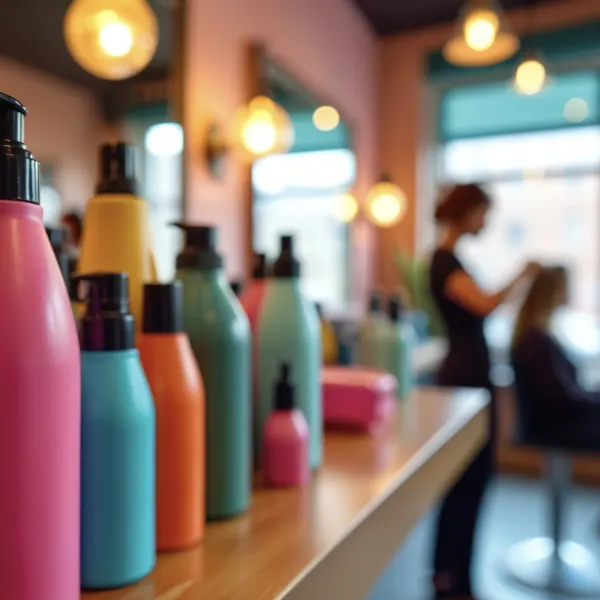
As a salon owner, you can minimize your risk by performing regular maintenance and performance checks on all equipment to ensure that frequently-used appliances are in good working order, says Sean Brownyard, executive program manager for the Salon and Spa Specialty Insurance agency or SASSI. “Prevent slips and falls by clearing floors of appliance cords, spilled liquids and properly maintained floor surfaces. Provide an eye-wash station, and maintain an accessible first-aid supply kit,” he says.
Brownyard offers the following tips:
Ad Loading...
Chemical Safety
· Do not purchase bulk chemicals from companies outside the US (outside FDA control). The resulting infections can be severe.
· Read the instructions/directions that accompany the various products you use in your salon. Make sure that every employee using that product does the same.
· Ensure that employees store chemicals in their original containers with correct labels and instructions.
· If you must re-bottle bulk solutions and chemicals, be sure to label the containers, especially the dispenser bottles.
Ad Loading...
Equipment Safety
· Compile a list of all equipment, manufacturers, and receipts, if possible. Maintain this within a file, along with any warranty information, service details and other data for equipment.
· Schedule a check on the cords and plug connectors on your dryers, steamers, etc. once a month.
· Have a licensed electrician check your appliances and electrical system once a year. If your fuses blow out often, call an electrician.
· Check with your State Board or the Cosmetology Association to determine if you are covered to offer a particular service or operate a specialized piece of equipment.
Ad Loading...
· When considering the purchase of new equipment, insist on a certificate of insurance from the manufacturer. This will protect your business from potential claims if the machine malfunctions.
· Perform bi-annual reviews on all equipment and furniture and maintain records on the proper working condition and stability of each.
· Confirm that your salon’s water temperature reaches no more than 120 degrees (the water heater may be lowered to accommodate this; ask your utility service provider or plumber for details).
Facility Safety
· Create an eye-wash station, and maintain an accessible basic first-aid supply kit in your facility.
Ad Loading...
· Be sure to clean up all liquid spills (water, lotions, oils, etc.) on the floor immediately. Use caution signs if floor is still wet.
· Provide non-skid footwear (sandals/booties) to patrons.
· Wash and wax floors before or after business hours; never when opened for business.
· Remove wax from floors regularly.
· Rinse floors completely before applying wax.
Ad Loading...
· Avoid excessive buffing on newly waxed floors.
· Replace broken tiles, worn-out linoleum and damaged wooden floors.
· Be sure to secure tables (i.e. massage tables/beds) to the floor (i.e. no rollers/wheels on the bottom of the tables).
· Check all furniture and fixtures every month. Keep them in good repair, tighten loose fittings securely, replacing worn parts when needed.
· Keep all cords off the floors and clear of the passageways.
Ad Loading...
Sean Brownyard is Executive Program Manager of SASSI, the Salon and Spa Specialty Insurance agency (www.sassiagency.com). Formerly known as the Hairdresser’s Agency, SASSI is a division of W.H. Brownyard Corp. and has provided specialized liability coverage for more than 85 years. SASSI serves salons, day spas, electrologists, beauty schools and barber shops. Sean can be reached at sbrownyard@brownyard.com or 631-666-5050.
All beauty professionals should know how to identify when a client may need some health guidance. Tracy Rado discusses some common questions that clients ask in the chair, how to advise them, and when to refer them to a specialist.
From managing air traffic on busy days to handling frustrated guests' complaints, your front desk team often serves as the salon's emotional shock absorber. From a customer service lesson from the DMV to a list of strategies for caring for your front line, our experts offer ideas for alleviating stress, celebrating wins, and setting goals.
According to the KIM Report, top-line salon revenue appears steady or slightly up, but that growth is driven primarily by service price increases. Beneath the surface, retail performance and client visit frequency (appointment drift) are under real pressure. In his latest blog, Alain Audet offers strategies for keeping your salon's retail sales strong.
Putting your family to work in the salon offers some real tax benefits, but you have you have to play by the rules of the tax code to claim them. Azarvand Tax Law's Leticia Skrabut, Esq., shows you how.
Discover how to create a true “WOW experience” for every client by first building a culture where your team feels engaged, empowered, and inspired. Drawing on Calvin Stovall’s Iconic Framework, this blog explores how salon, spa, and clinic leaders can strengthen culture, elevate customer experience, and build a business that stands out for the long term.
The wellness industry is growing fast, and salons and barbershops already are an important part of it. In her first blog, Tracy Rado shares where the wellness dollars are heading, and how salons can grow with this movement.
While salon sales are increasing, owners often feel they're working harder for the same or less profit. Leverage Q2 data from The KIM Report, Alain Audet reveals some of the structural changes that are dampening your growth and why your region and your salon size matters.
Weaknesses in your business are amplified during the Holiday Season. Spark Pro Global's Lucy Randall shows you five things to do now to have the strongest holiday season yet.
In Kati Whitledge's latest blog, she shares how salons have moved away from dress codes and embraced appearance standards. But by removing strict dress codes, some businesses may have unintentionally lowered their appearance standards. Whitledge helps you explain to your team why an appearance standard is important and how to smoothly implement a new appearance policy.
The Small Business Health Care Tax Credit is a non-refundable tax credit for for-profit businesses that provides a financial incentive for eligible employers who offer health insurance coverage to their employees. Leticia Skrabut, Esq., walks you through how to claim that credit.
Developing strong work habits early in one's career supports long-term success in the salon industry. Jesse Linares offers new stylists his top five tips.
Most salon owners have no idea what these numbers are.
You can hit record sales and still have a profit problem. The difference comes down to four numbers almost nobody was taught to track.
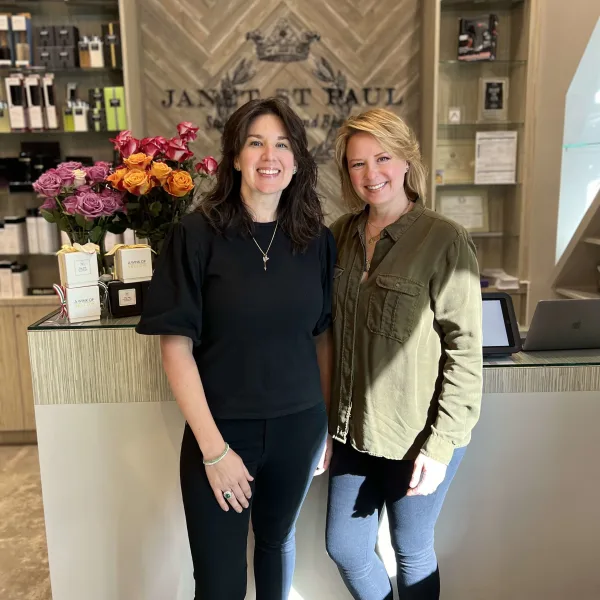
At Janet St. Paul Studio for Hair and Beauty, Director of Operations Natasha McMillen helps bring her wife Janet St. Paul's vision to life, elevating every system from education to operations.