







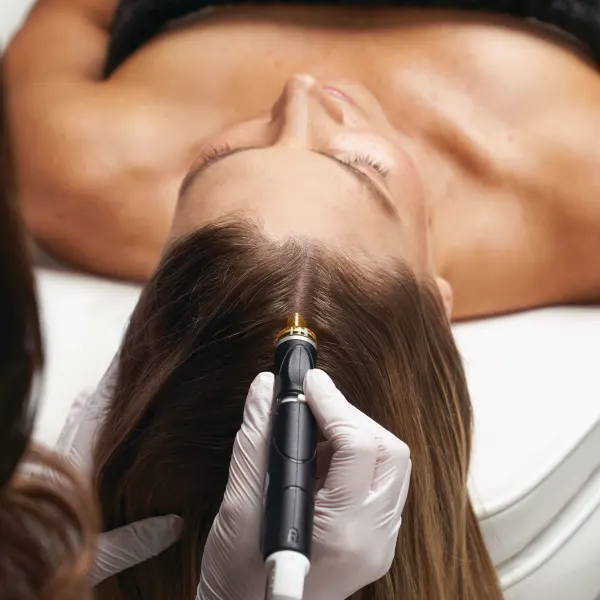
A HydraScalp Service that Addresses the Impact of Menopause on the Scalp and Hair
HydraScalp with Keravive is a scalp peptide treatment clinically proven to help reduce hair thinning and stimulate the hair's natural ability to grow hair.
 MENU
MENU SEARCH
The highly contagious workplace infection is spreading throughout salons nationwide. Owner Jim Roberts investigates in this tongue-in-cheek blog.
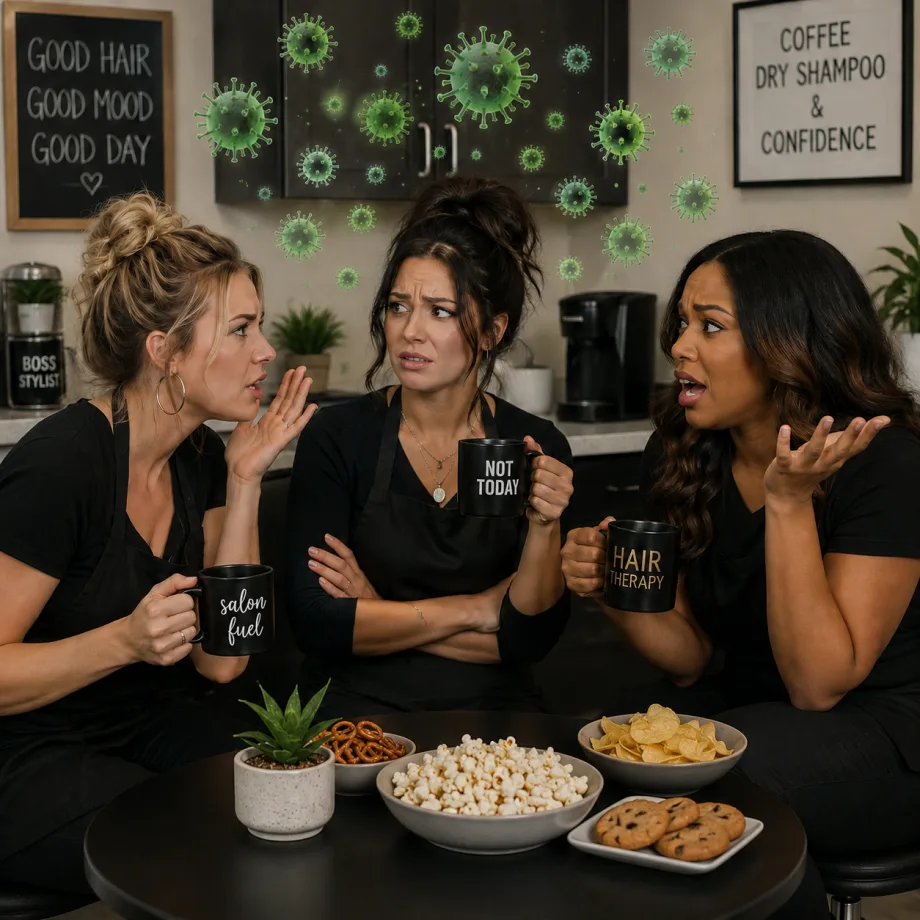
In satirical blog, Owner Jim Roberts warns owners about the highly contagious No-Support virus, where team members accuse leaders for not supporting them after being held accountable to agreed-upon tasks.
This is an AI-generated image. Refer to our Terms of Use.
*Summarized by AI
Editor's Note: The following article is a work of satire and intentional exaggeration. While the situations described may feel familiar to salon owners, managers, and team leaders everywhere, the No-Support Virus is entirely fictional. This parody was written to humorously explore a common workplace phenomenon: the tendency for accountability, expectations, and professional standards to sometimes be mistaken for a lack of support. Like all good satire, it takes real situations, stretches them beyond reality, and invites us to laugh while reflecting on the lessons underneath. If you recognize yourself, your coworker, your boss, or your salon in these pages, don’t panic. The condition is usually temporary and highly treatable with self-awareness, personal responsibility, and honest communication.
The No-Support Virus is a highly contagious condition that causes employees to suddenly forget everything they enthusiastically agreed to during the hiring process. Researchers have discovered that infected individuals often lose the ability to recognize accountability, professionalism, and workplace standards. Instead, these concepts become translated into a single phrase: “My boss doesn’t support me.”
While the condition can appear suddenly, experts believe it typically begins after an employee is held accountable for something they already knew they were responsible for. This has now infiltrated the salon industry.
The first symptom is usually a simple question: “Can you believe [name of salon leader] corrected me for...?” Examples of how that question ends include tardiness, dress code violations, missed responsibilities, client corrections, cleaning expectations, attendance requirements, and other professional standards that were previously agreed upon. Medical professionals refer to this stage as Selective Agreement Amnesia, when the infected employee temporarily forgets these were all expectations accepted when the job was accepted.
The break room remains the virus’s primary breeding ground. An employee enters the break room frustrated and asks the “Can you believe” question. Another employee responds, “Yeah, that’s ridiculous.” Within minutes, several additional team members become infected.
Researchers have discovered that the virus spreads most rapidly when accountability stories are shared without including the fact that the employee actually violated the expectation. Scientists refer to this as Context Deficiency Syndrome.
In addition to the break room, the virus is typically found:
Scientists have identified a fascinating phenomenon: employees often interpret accountability as a lack of support. A request to clean up, arrive on time, correct a client issue, attend a meeting, or uphold professional standards somehow becomes evidence that management does not care about them. Researchers continue searching for an explanation.
Salon owners are often misidentified as villains. This is due to a side effect of the virus—the creation of an alternate reality where:
Termination becomes the final stage of infection, often accompanied by a sudden declaration that the workplace was toxic all along. Most interestingly, the very person responsible for providing opportunities, education, clients, marketing, payroll, equipment, tools, and a workplace suddenly becomes the villain in a story they didn’t even know they were starring in. This phenomenon is known as Owner Derangement Syndrome.
Fortunately, a cure exists. It begins with personal responsibility. Healthy employees understand that support and accountability are not opposites. In fact, the strongest support often comes in the form of accountability. A boss who doesn’t care if you’re late isn’t supporting you. A boss who doesn’t care about your mistakes isn’t supporting you. A boss who never corrects you isn’t supporting you. Those bosses are simply avoiding the uncomfortable responsibility of leadership. True support is helping people become better, even when the conversation isn’t pleasant.
The next time you hear someone start asking, “Can you believe the boss...,”pause before joining the outbreak. Ask yourself a different question: “Wasn’t that part of the job when we accepted it?” Sometimes what looks like a lack of support is simply accountability. Sometimes what people call a toxic workplace is simply a workplace with standards.
Accountability isn’t a virus. But gossip certainly can be.
The 'No-Support Virus' is a metaphorical term used to describe a lack of accountability among coworkers, which can negatively impact workplace morale and efficiency.
*Summarized by AI
HydraScalp with Keravive is a scalp peptide treatment clinically proven to help reduce hair thinning and stimulate the hair's natural ability to grow hair.
In his first blog with SALON TODAY, Roei Cohen, general manager of Valery Joseph Salons with locations in New York, The Hamptons, and Miami, discusses all the little things that add up to a salon's brand.
All beauty professionals should know how to identify when a client may need some health guidance. Tracy Rado discusses some common questions that clients ask in the chair, how to advise them, and when to refer them to a specialist.

For Halloween, Sam Villa ArTeam's Ellen Devine creates witchy vibes with her Maleficent look.

Stylists Yene Damtew and Jamal Edmonds launch Coil Event, a textured hair event for working stylists with hands-on education, live demonstrations, industry conversation, and networking.

This weekend, walkers will brave the chilly waters of San Francisco Bay as they take a symbolic plunge to raise money and awareness for HairToStay. HairToStay is the first and only national nonprofit dedicated to making scalp cooling treatments affordable for cancer patients who want to preserve their hair through chemotherapy.

Salon Owners Mike Nass, Allyson Hurley, Martin White, and Tim Fisk join SALON TODAY to talk about how they're using different AI agents to book appointments, market to at-risk clients, attract new clients, improve the consultation, and boost the overall guest experience.
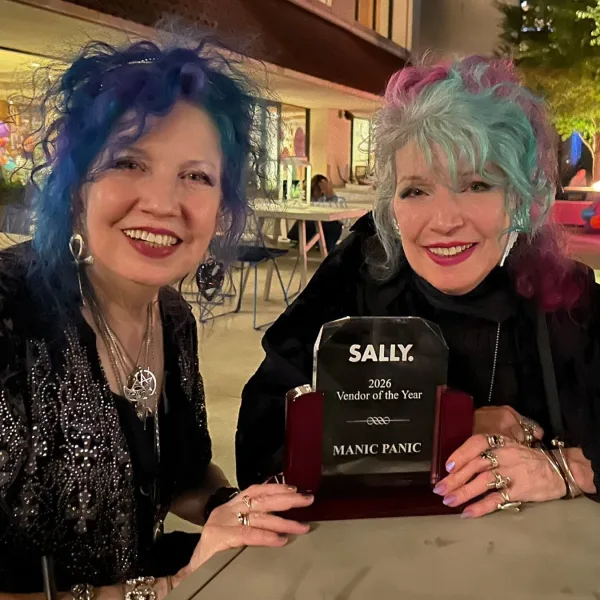
The award recognizes the partnership between Sally Beauty and Manic Panic.
Terra Harvell is busy building the largest wealth-creation platform the salon industry has ever seen; one that shows owners how to build valuable, wealth-generating assets with an exit plan, while developing stylists into six-figure earners.
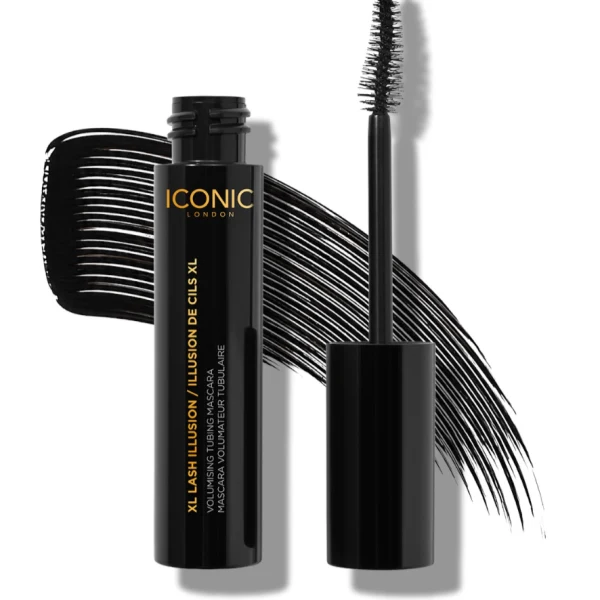
The easily wearable formula delivers XL volume, extreme length, and a weightless, lifted finish without the heaviness of traditional volumizing mascaras.
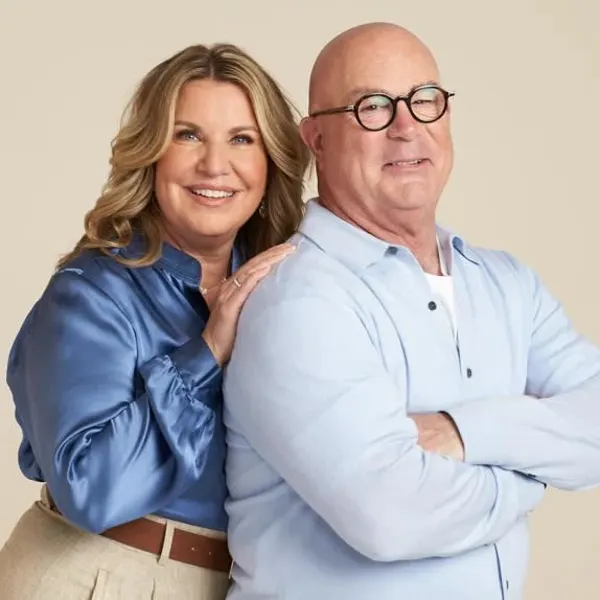
The professional haircare brand is certified under Standards Version 2.2, reflecting renewed accountability across seven social, environmental and governance impact topics
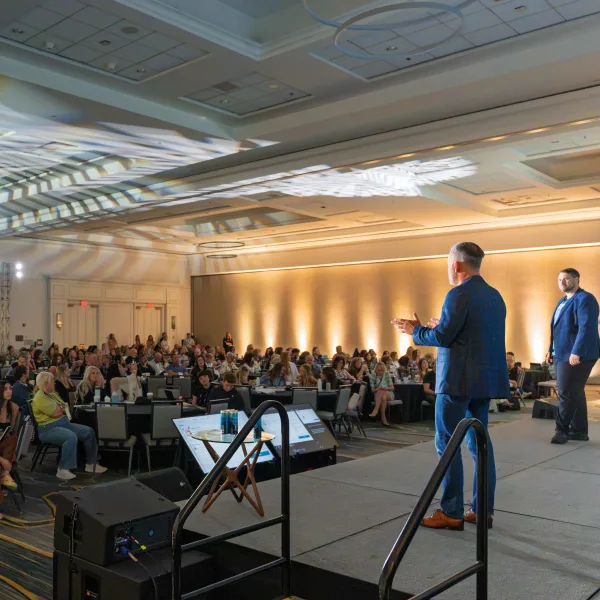
MeevoIQ brings a team of AI-powered Advisors to Meevo, giving salon, spa & med spa owners the growth tools, business intelligence, and front desk support they need with full visibility and control at every step.
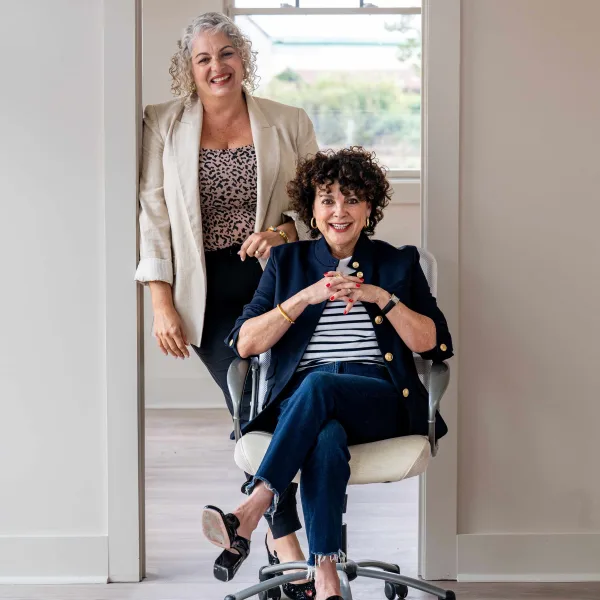
In September 2024, Hurricane Helene completely destroyed 20-year-old Wink Salon's flagship location and 70% of its business. In this exclusive story for SALON TODAY, Owner Christine DiBenedetto shares their two-year rebuilding journey, and how their main location is a different business.
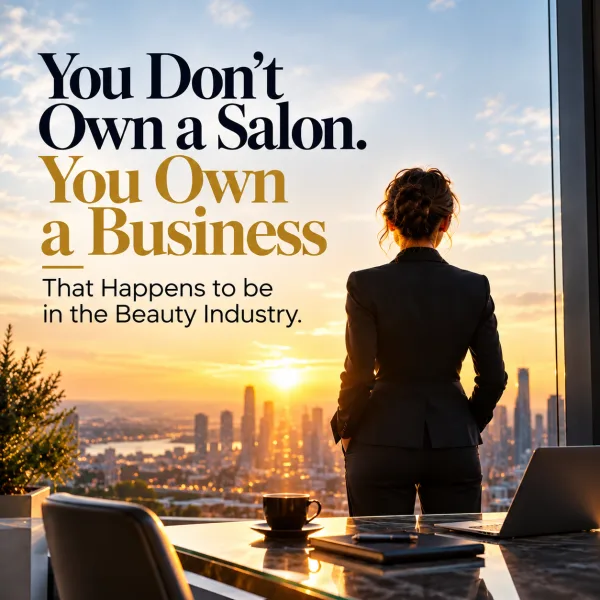
In his latest blog, Leon Alexander Ph.D., challenges industry conventional thinking to help owners add more to their bottom lines.

Your body doesn't necessarily tell the difference between a promotion and a deadline. In her first wellness blog for SALON TODAY, Wellify Co-Founder Laura Fuqua explains why even good stress has an impact.
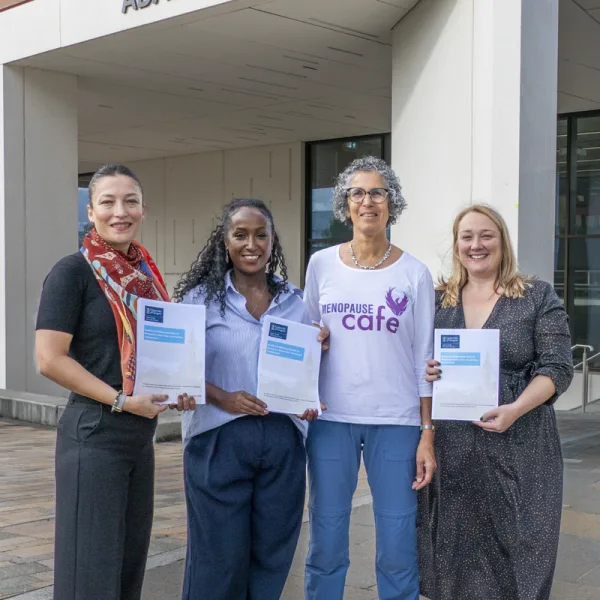
Popping up across the UK, Menopause Cafés are helping women seek professional help with their menopause journeys. What better place to play host to one of these gatherings than a spa?
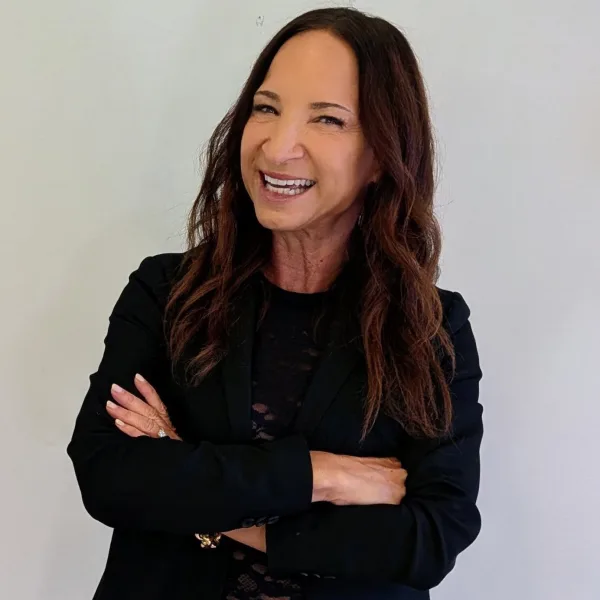
In her latest blog, Amy Pal helps you develop your own clear guidelines around complimentary free employee services.