










Why Salon Work Makes Your Body Ache & What You Can Do to Feel Better
We learn some simple moves and strategies to keep the blood pumping through the muscles and limit posture problems from The Balanced Beauty Pro
by Anne Moratto
 MENU
MENU SEARCH
While the public's interest in peptides shows today's consumers want to be proactive about aging, the professional's role is to help them understand new developments in aesthetics and make smart choices that support their long-term goals.
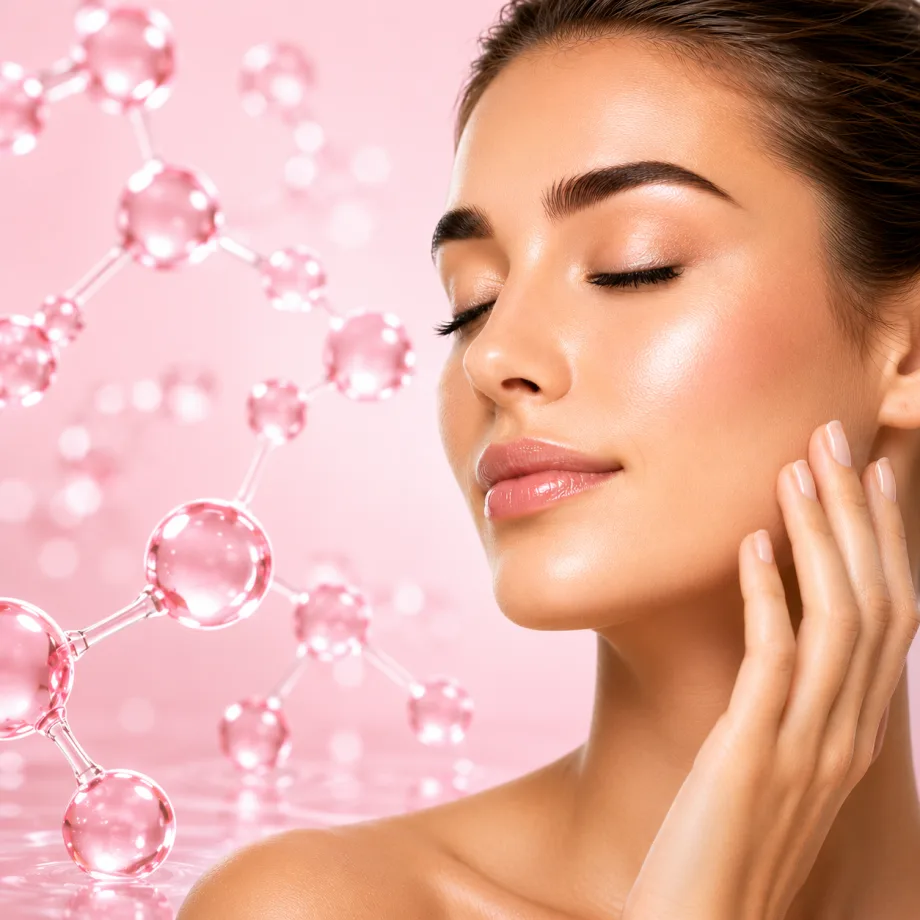
Consumers are increasingly interested in longevity and proactive aging and are looking beyond procedures alone to understand how skincare, lifestyle choices, regenerative approaches, and emerging technologies may support their long-term goals.
This is an AI-generated image. Refer to our Terms of Use.
*Summarized by AI
Peptides have quickly become one of the most talked-about topics in grooming, beauty, wellness, and longevity. From social media platforms to wellness podcasts and online marketplaces, peptides are being promoted for their potential role in supporting skin health, collagen production, and healthy aging.
According to members of the American Academy of Facial Plastic and Reconstructive Surgery (AAFPRS), the growing interest in peptides is changing conversations in the consultation room. Patients are arriving with questions not only about facelifts, lasers, and injectables, but also about whether peptides should play a role in their overall approach to aging and whether the products they discover online are supported by science.
"Five years ago, patients came in asking about Botox or a facelift. Today, many arrive with screenshots from social media or recommendations they heard on a podcast, wanting to know whether a peptide belongs in their treatment plan," says double board-certified facial plastic surgeon Dr. Anthony Brissett, President of the AAFPRS and Division Chief, Facial Plastic and Reconstructive Surgery of Houston Methodist. "Patients are more engaged than ever in their health and appearance, which is encouraging. It also creates an opportunity for physicians to help separate meaningful innovation from marketing."
AAFPRS members say this shift reflects a broader evolution in aesthetic medicine. Patients are increasingly interested in longevity and proactive aging and are looking beyond procedures alone to understand how skincare, lifestyle choices, regenerative approaches, and emerging technologies may support their long-term goals.
Peptides have become one example of this larger movement. Facial plastic surgeons emphasize that the most important question is not whether peptides are trending, but whether a specific treatment is appropriate, supported by evidence, and aligned with an individual patient's needs.
Interest in peptides reflects a broader shift toward proactive aging, but AAFPRS members emphasize that patients should understand where the science stands and how different approaches fit into an individualized treatment plan.
"Patients may be curious about whether injectable peptides have a place in their aesthetic journey, but they are not a one-size-fits-all solution," says Dr. Brissett. "The role of a physician is to look at the full picture, including a patient's anatomy, goals, and overall health, and help determine which options are most appropriate."
As peptide products become more widely available through skincare brands, wellness companies, and online marketplaces, questions around formulation, sourcing, clinical research, and intended use become increasingly important. A facial plastic surgeon can help patients evaluate where peptides may fit within a broader approach to skin health and aesthetic care.
This growing popularity of injectable peptides has also attracted increased regulatory attention. The FDA’s Pharmacy Compounding Advisory Committee in July reviewed several peptide-related bulk drug substances, bringing questions around safety, evidence, and compounding practices further into focus. AAFPRS members emphasize that regulatory consideration of a substance for compounding should not be confused with FDA approval or evidence that an injectable peptide has been proven safe and effective.
“The recent FDA Pharmacy Compounding Advisory Committee review highlights why physicians are urging caution as interest in injectable peptides continues to grow,” adds Dr. Brissett. “This committee’s recommendation about certain peptides being included for compounding should not be confused with FDA approval or evidence that these therapies have been proven safe and effective. As physicians, our concern is that consumer enthusiasm is moving faster than science. Patients need to understand what they are being injected with, where it was sourced and compounded, and whether there is credible clinical evidence supporting its safety and use.”
The growing interest in peptides reflects a larger evolution in how patients approach aging. Rather than waiting until visible changes appear, many are seeking ways to support their skin health and maintain their appearance earlier and more intentionally. For facial plastic surgeons, that means helping patients navigate an expanding landscape of options while keeping safety, evidence, and natural-looking outcomes at the center.
"The interest in peptides tells us something important about where aesthetics is headed," says Dr. Brissett. "Patients want to be proactive about aging, and that is a positive shift. Our role is to help them understand new developments in aesthetic medicine and make smart choices that support their long-term goals."
About the AAFPRS: The American Academy of Facial Plastic and Reconstructive Surgery is the world’s largest specialty association for facial plastic surgery. It represents more than 2,200 facial plastic and reconstructive surgeons throughout the world. The AAFPRS is a National Medical Specialty Society of the American Medical Association (AMA) and holds official seats in both the AMA House of Delegates and the American College of Surgeons board of governors. AAFPRS members are board certified surgeons whose focus is surgery of the face, head, and neck (inclusive of Rhinoplasty and Facial Rejuvenation). More information at www.AAFPRS.org.
Peptides are short chains of amino acids that are used in skincare to promote collagen production, skin elasticity, and overall skin health.
*Summarized by AI
We learn some simple moves and strategies to keep the blood pumping through the muscles and limit posture problems from The Balanced Beauty Pro

Sofia Vergara, Lucy Hale, Alison Brie, John Salley, Brian Austin Green and more honored the best achievements in Science Behind Beauty, Health & Wellness at this glittering event.

Stress was the factor respondents blamed most often when their skin worsened, cited by 54%, followed by diet at 37% and hormones at 35%.
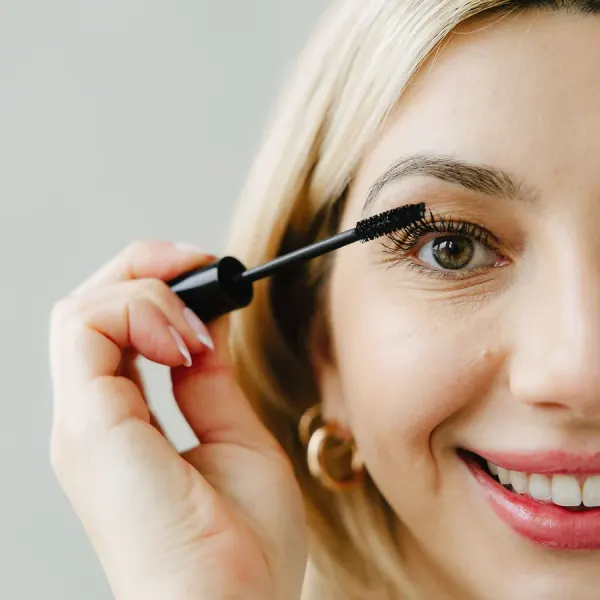
A clean mascara without microplastics.
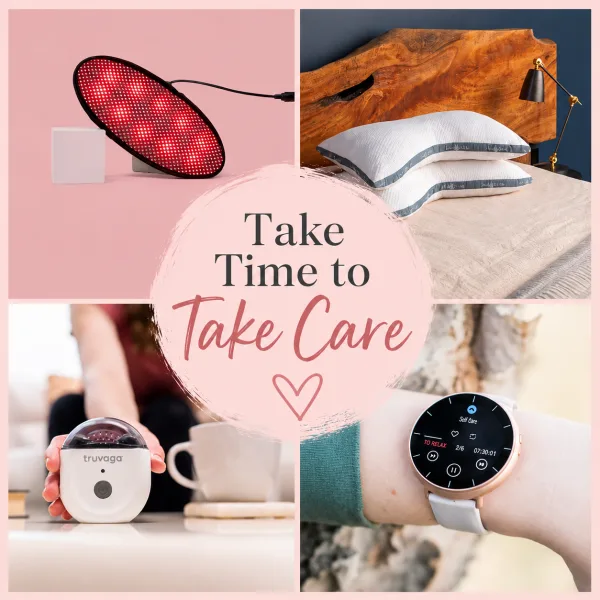
You spend your days taking care of others. With Wellness Month upon us, it's time to give yourself some love and we've got a roundup of gadgets and products to do just that.
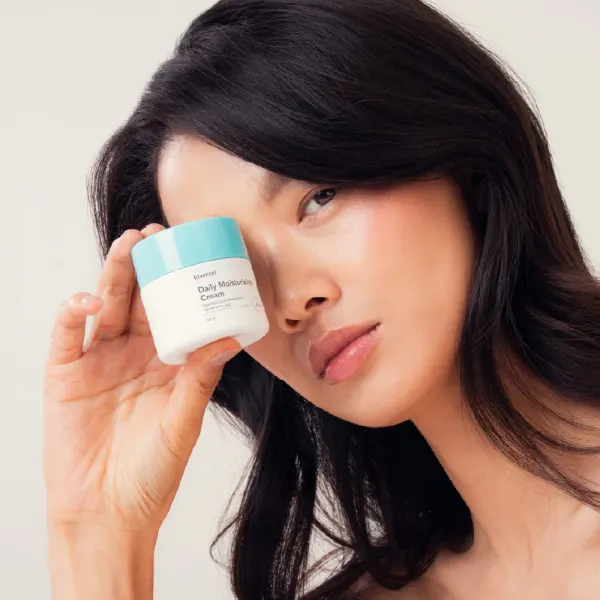
Powered by Hinokitiol, a proprietary antioxidant from Pacific Red Cedar, Riversol products are formulated for sensitive and rosacea-prone skin.

With this latest FDA clearance, Ultherapy PRIME continues to expand its non-surgical body treatment portfolio, beginning with a U.S. launch followed by a global rollout.

Are your blondes feeling blah? Give ’em a lift with LightDimensions SilkLift Strong
Sponsored by Goldwell

The winter holidays and Mother's Day are the most popular holidays for gift card campaigns in spas, salons, and medspas. SALON TODAY taps into industry experts for strategies in designing and marketing a successful campaign, as well as how to manage that cash flow influx while avoid getting into trouble with your bottom line or the IRS. Plus, five salons and spas share their case studies.

August marks Wellness Month, and a collection of spas in California and Arizona show us the specials on their service menu.

Illuminated Paths is a boxed set of 52 cards, a guidebook, and an Oracolor Wheel, a visual framework that helps readers reconnect with the qualities they want to bring into everyday life.

LifeSpa leader Ali Yanez explains why strong mentorship, predictable income, meaningful recognition and the right work environment help beauty professionals build careers that last.

The FutureIQ™ biomimetic hair longevity serum is a lightweight, fast-absorbing formula, powered by K18’s proprietary MultiVital™ technology, designed to simultaneously support hair retention, scalp vitality, and pigment longevity through biology-first intervention.
Sponsored by K18 Hair
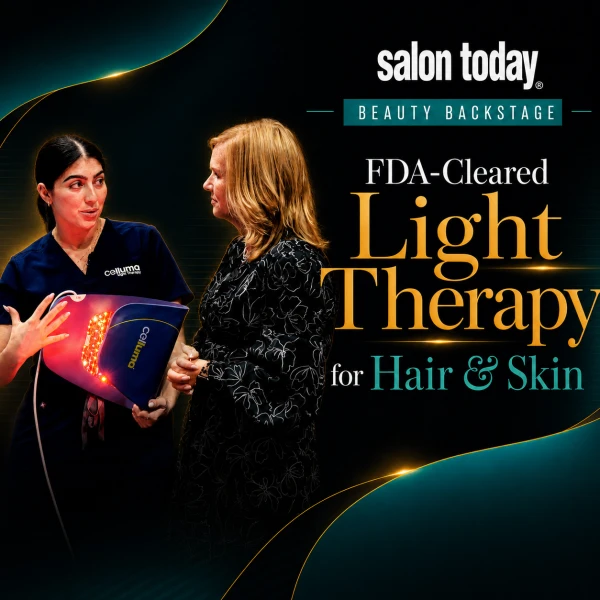
In a video interview from the floor of Premiere Orlando 2026, SALON TODAY's Stacey Soble talks with Celluma Light Therapy to talk about the benefits of light therapy, the versatility of Celluma's light panels, and how the therapy can be incorporated into salon and spa services.

With 6,000 micro-strokes per second, the brush is a master detangler, and the dome on the flip side can be used for scalp, neck, and shoulder massage.
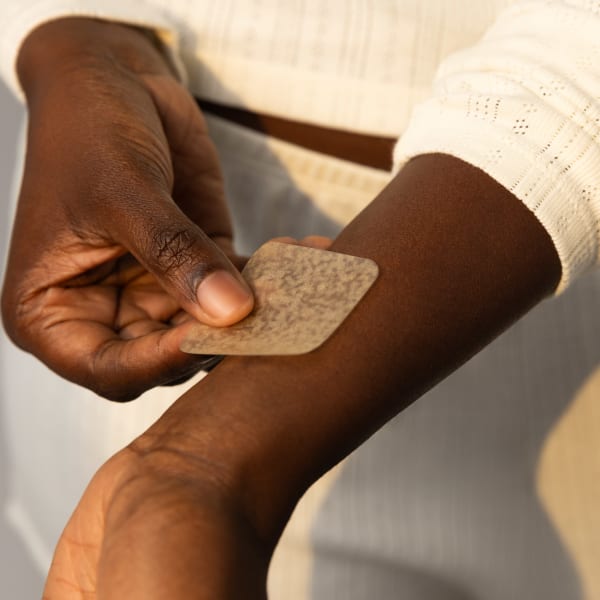
The Good Patch is a leading wearable wellness patch brand, offering wellness and skincare patches that support everyday needs including energy, sleep, relaxation and more.

In this expert column, internationally recognized educator Rita Perna Allor shares why beauty professionals are uniquely positioned to educate, support and empower clients, while staying within their professional scope of practice.