








Kelly Huether Reacquires Life of Riley and Riley Salon Resources
Life of Riley Salon Supply and Riley Salon Resources are back in the family, as Kelly Huether acquires the professional distributor he co-founded in 2013.
by Staff
 MENU
MENU SEARCH
The Small Business Tax Fairness and Compliance Simplification Act (H.R. 6736) would modernize existing laws to provide relief to small businesses in the hair care and beauty service industry.

Congressman Darin LaHood (R-IL) and Congresswoman Suzan DelBene (D-WA) recently introduced H.R. 6736 to update and modernize existing laws to provide equitable treatment and administrative relief to small businesses engaged in the hair care and beauty service industry. This legislation would extend the Federal Insurance Contribution Act (FICA) tax tip credit—which is currently available to the food service industry—to employer-based beauty service establishments where tipping is also customary.
Currently, more than 80 percent of the 1.2 million beauty industry businesses employ less than ten employees, which are predominantly owned and operated by women and minorities.
“As Congress continues to work to improve opportunities for small businesses and taxpayers by modernizing our tax code, I believe the bipartisan legislation we are introducing today will create a more level playing field for small businesses, will improve reporting of tip income, and will help businesses navigate IRS administrative rules and procedures,” stated Rep. LaHood. “In an industry where the majority of businesses are owned and operated by women and minorities, these long overdue improvements to the tax code will provide direct relief tothousands of small business owners and millions of professionals, much like similar industries have benefited from for decades.”
“This legislation is a commonsense bipartisan solution that brings parity to main street business owners and their employees. Individuals in the hair care and beauty industry rely heavily on tips to support their families. These individuals should receive the same benefits as those in other industries who are currently enjoying a fairer, simpler approach to tax administration for tipped workers. I believe this legislation offers equal treatment under the tax code and much needed financial relief for small businesses that support our communities,” said Rep. Suzan DelBene (DWA).
Specifically, the legislation would modernize the FICA tax tip credit by extending the tip credit to the beauty industry’s many small businesses with tipped employees. The FICA tax tip credit is part of an integrated compliance system that helps ensure accurate reporting of tip income to address tax gap concerns and reimburses employers for the implementation of systems and processes to account for tip income. Extending the FICA tax tip credit should reduce tax burdens and improve reporting of tip income, as it did in the food and beverage industry. Tips are paid as a gratuity by the client directly to the service provider – employers are required to pay FICA taxes on such tips even though the tip income is the sole property of the employee and the employer is not involved in the tip transaction.
“In 2017, Five Senses Spa, Salon & Barbershop guests showed their appreciation to our service providers with gratuities totaling $170,000. Tips are considered wages, therefore, I as the employer paid for Social Security, Medicare, State Unemployment Tax and credit card fees that amounted to $19,000 in costs which I received no revenue for,” says Paola Hinton,owner of Five Senses Spa, Salon & Barbershop in Peoria, Illinois.
Level the playing field for beauty-based businesses by showing your support for H.R. 6736. Simply CLICK HEREto send a letter to your Congress representative asking them to support the Small Business Tax Fairness and Compliance Simplification Act. showing support for H.R. 6736.
Life of Riley Salon Supply and Riley Salon Resources are back in the family, as Kelly Huether acquires the professional distributor he co-founded in 2013.
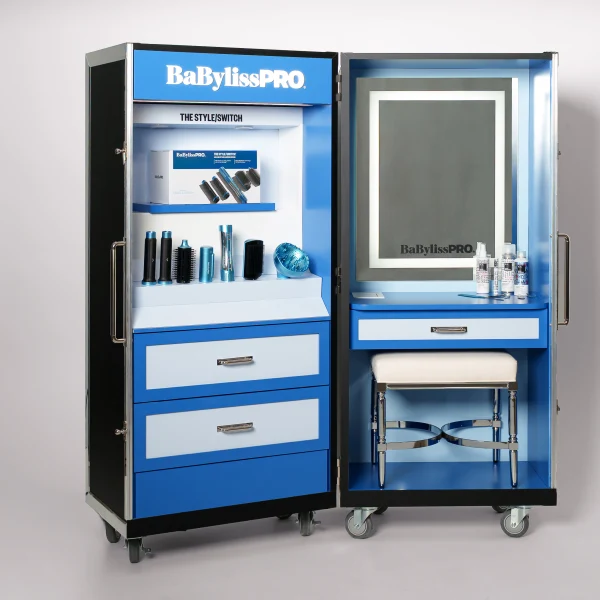
BaBylissPRO and IGK have partnered to launch the BaBylissPRO Studio Trunk, transforming the professional tool brand’s digital Style Studio into a physical experience for the first time in its sixty-year history.
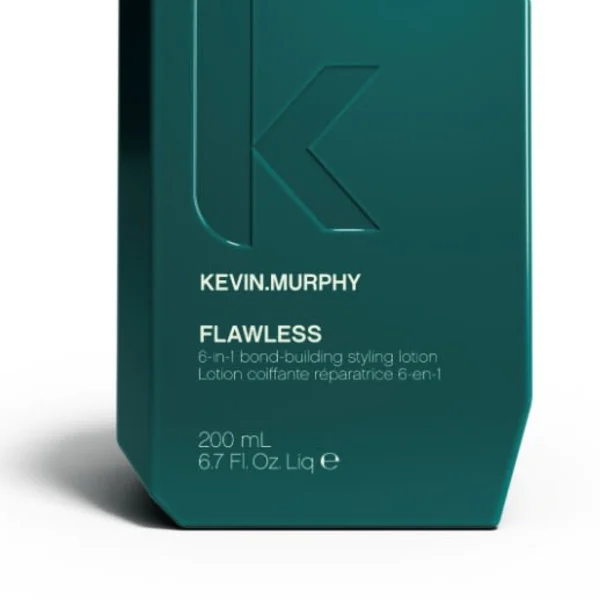
KEVIN.MURPHY's Flawless combines hair repair and styling benefits using KM.Re.Bond technology.
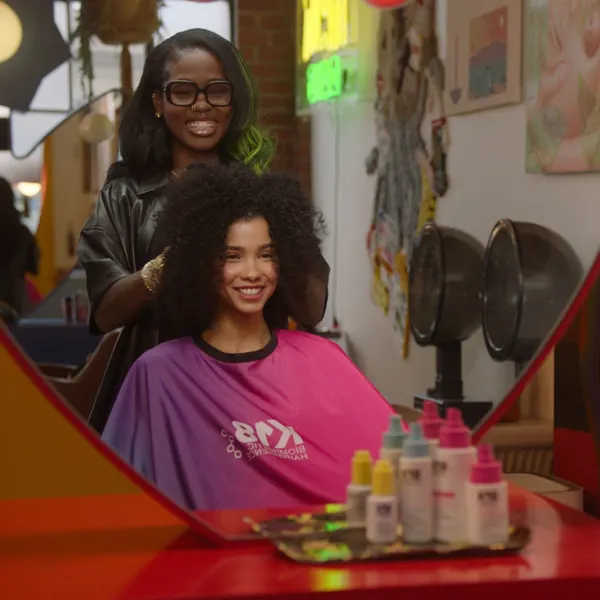
K18 Biomimetic Hairscience has partnered with Beauty Changes Lives to launch the K18 Future of Hair Scholarship, aiming to support aspiring professional stylists by reducing financial barriers to cosmetology education.
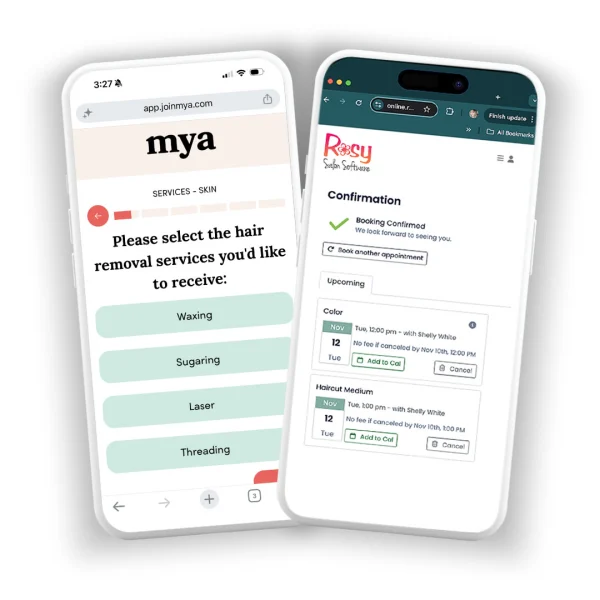
Rosy Salon Software integrates with Mya, empowering salons, spas, and barbershops to transform their websites into powerful, automated lead-generation machines.

Known for his buttery blondes and a technique for highlighting hair with more precision that he called chunking, Brad Johns died on August 27. His friend and fellow colorist, David Stanko, shares thoughts on his talented colleague and close friend.

The Green Beauty Community Foundation convenes beauty brands, salon-industry leaders, educators, and sustainability organizations for a collaborative professional beauty gathering on September 23rd in New York.

At 80, global feminist, former marriage and family therapist, executive coach, and powerlifter Barrie Zucal shows women how to stop letting “debilitating goodness” derail their dreams. Her empowering new book, BOLD: How Women Play BIG by Leading Instead of Pleasing, calls out the quiet conditioning that holds women back from achieving their ambitions — and shows them how to free themselves.
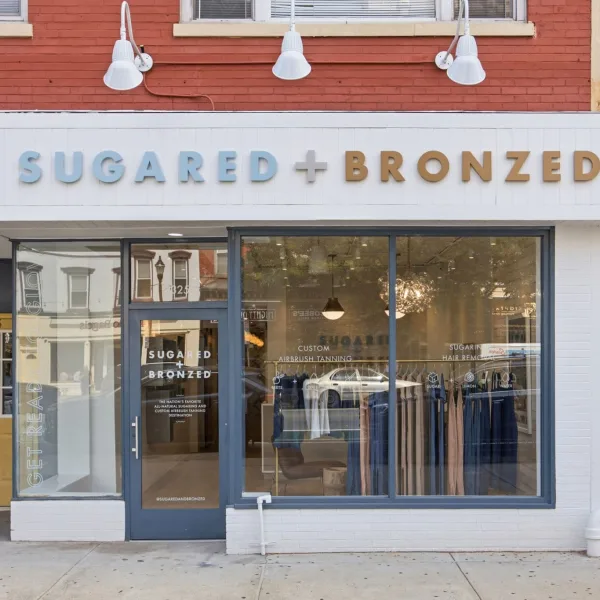
From a Santa Monica apartment startup to the nation's largest sugaring and sunless tanning brand, SUGARED + BRONZED reaches a major milestone with 50 locations across 10 markets.

The Davines Edit reflects the brand’s passion for people and planet.