The International Dermal Institute's Dr. Claudia Aguirre breaks down the facts and shows you what foods to eat for optimal skin.
by Claudia Aguirre
January 30, 2013
3 min to read
Vasina Nazarenko - Fotolia
You are what you eat. This age-old adage may have been dismissed over the generations as somewhat of an old wives’ tale, but in fact it is deeply rooted in a real biological connection between our bodies and the food we eat. With technological advances, we are better able to understand how micro- and macro-nutrients really affect our health on a cellular level. This notion has even spurred the formation of a Center of Excellence for Nutritional Genomics (CENG) at the University of California, Davis. Nutritional genomics takes advantage of our knowledge of the human genome to better understand the diet-health relationship. In essence, nutritional genomics is the study of how foods affect our genes and how our genes affect our response to nutrients in our diet – an offshoot of the emerging epigenetics field (which is the study of how our overall environment can change our genes).
So then, if we really are what we eat…what should we be eating for healthy skin? Macronutrients (carbohydrates, proteins and lipids) and micronutrients (vitamins and minerals) work together to ensure a properly functioning epidermal barrier against environmental assaults. The skin’s typical ailments range from dehydration, dryness, photodamage, inflammation and aging. Many scientific studies support the role nutrition plays in these key areas.
Dryness: A lack of either lipid content or water content means rough, flaky and vulnerable skin. A diet rich in essential fatty acids can help skin retain its organized brick-and-mortar model. Dietary fats are processed by the liver for delivery to skin and other tissues. Omega-3 and Omega-6 fatty acids are essential for skin function and can even modulate the skin’s inflammatory response. Chronically dry skin, as in Eczema, will benefit from a diet rich in EFAs from oils and whole foods. In particular, Omega-3 fatty acids can help protect skin from photodamage and photoaging, while Omega-6 can alleviate symptoms associated with skin sensitivity and inflammatory skin disorders.
Stock your grocery basket with wild-caught salmon, flaxseeds, walnuts, evening primrose oil, and borage oil.
Photodamage: As we know, the sun is a powerful star. UV rays penetrate through clouds, windows and our own skin layers. UV rays deplete antioxidant levels in the skin, including ascorbic acid (vitamin C) and alpha-tocopherol (vitamin E). A diet rich in these antioxidant vitamins can be part of a well-rounded approach to limiting photodamage. An added bonus to vitamin C? It is also a necessary component of building collagen in the skin, which decreases with age and even more so with sun damage. Like many nutrients, some are even better when combined. Supplementing the diet with Vitamin C and E combined can increase the photoprotective effect of our skin better than with either of these alone.
Stock your grocery basket with bell peppers, broccoli, strawberries, wheat germ, and avocados.
Our skin is a unique organ in that we can actually rub nutrients on top of it! So even though the upper epidermal layers of the skin do not contain blood vessels that supply the cells with nutrients, we can ‘feed’ the skin from the outside, with topical antioxidants and vitamins. Combining topical nutrients with a more conscious effort to eat whole, healthy foods will keep our skin shining for all the years to come!
For more information on how nutrition plays a role in skin health, be sure to attend our IDI guest lecture with Dr. Claudia on Monday, April 22 at IDI New York. Claudia Aguirre, Ph.D is the Communications Manager for The International Dermal Institute.
The most iconic show in international hairdressing will celebrate its 43rd edition on November 14th at LOOK Madrid, IFEMA MADRID, in a historic night that will bring together some of its legendary teams and will also host the final of the International Visionary Award across its three categories: Cut & Colour, Men’s and Avant-Garde. LOOK Madrid celebrates its next edition from November 13-15th at IFREMA MADRID.
Axel and Marc Weiss are now leading Artègo USA's distribution operations, introducing a strategy focusing on strengthening relationships with salons, distributors, educators, and sales professionals.
AI, relentless change, employee burnout, economic insecurity. Individually, each presents a challenge, but together, they create what global leadership strategies Thom Dennis calls "the perfect storm." His new book, Rewilding the Corporate Mind, offers business leaders a radically different approach to leading people through today's uncertainty and division.
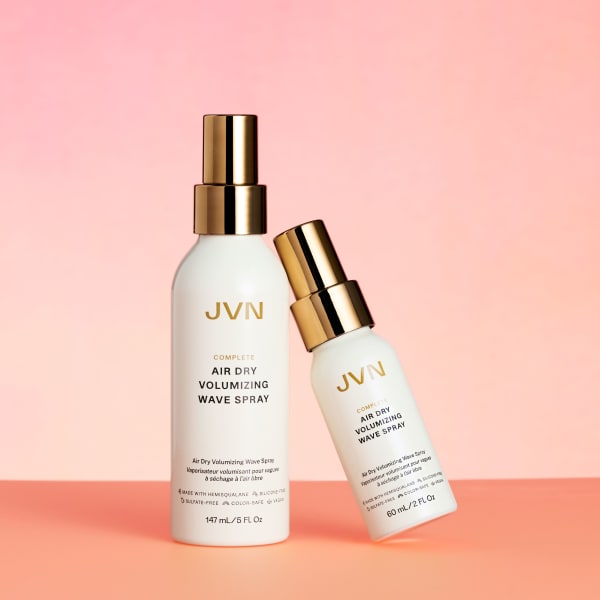
JVN Hair's Summer Protection Duo is clinically proven to provide UV protection and deliver conditioning and texture to keep hair looking great all season long.
The Professional Beauty Association and Pivot Point team up to develop an ongoing study that measures the confidence of salon owners, stylists, school owners, and students.
In Dubai, a salon visit isn’t an appointment. It’s a weekly routine, and clients can spend $800 to $1,400 a month on it, according to Gaurav Tripathi of MADI International.
On October 6-8, 2026, the market behind those numbers opens its doors as Beautyworld Dubai marks its 30th edition at the Dubai World Trade Centre, bringing together distributors, brands, stylists and salon owners from all over the world.
In October, volunteers plan to walk and take the plunge during at the annual event, HairToStay Does the Bay. Find out how you can participate and support the organization that grants subsidies to cancer patients so they can receive cold cap treatments to save their hair during chemotherapy.
At Premiere Orlando 2026, SALON TODAY catches up with Easihair Pro's Angela Gilmore, who talks about why stylists lose clients who are suffering from thinning hair and hair loss, and how their new Hairlosophy line can help.