








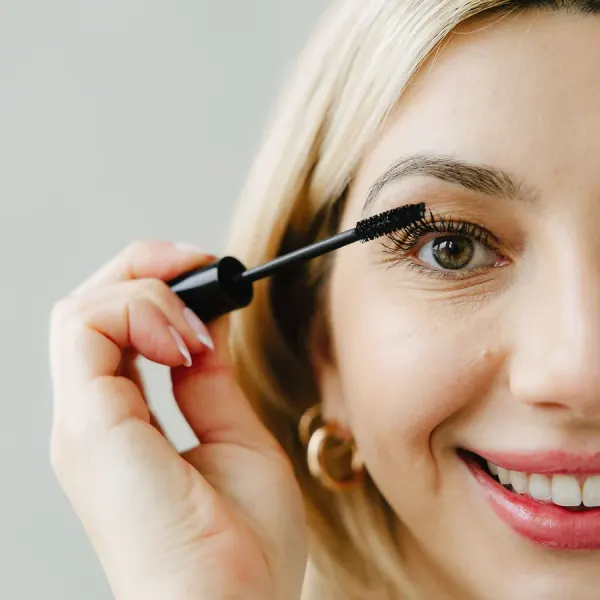
Jennifer Lane Beauty's Lane Lashes Mascara
A clean mascara without microplastics.
 MENU
MENU SEARCH
After four decades developing skincare products, Lea Black shares her perspective on clean beauty, ingredient sourcing, product transparency, and the questions beauty professionals should ask when evaluating skincare brands.
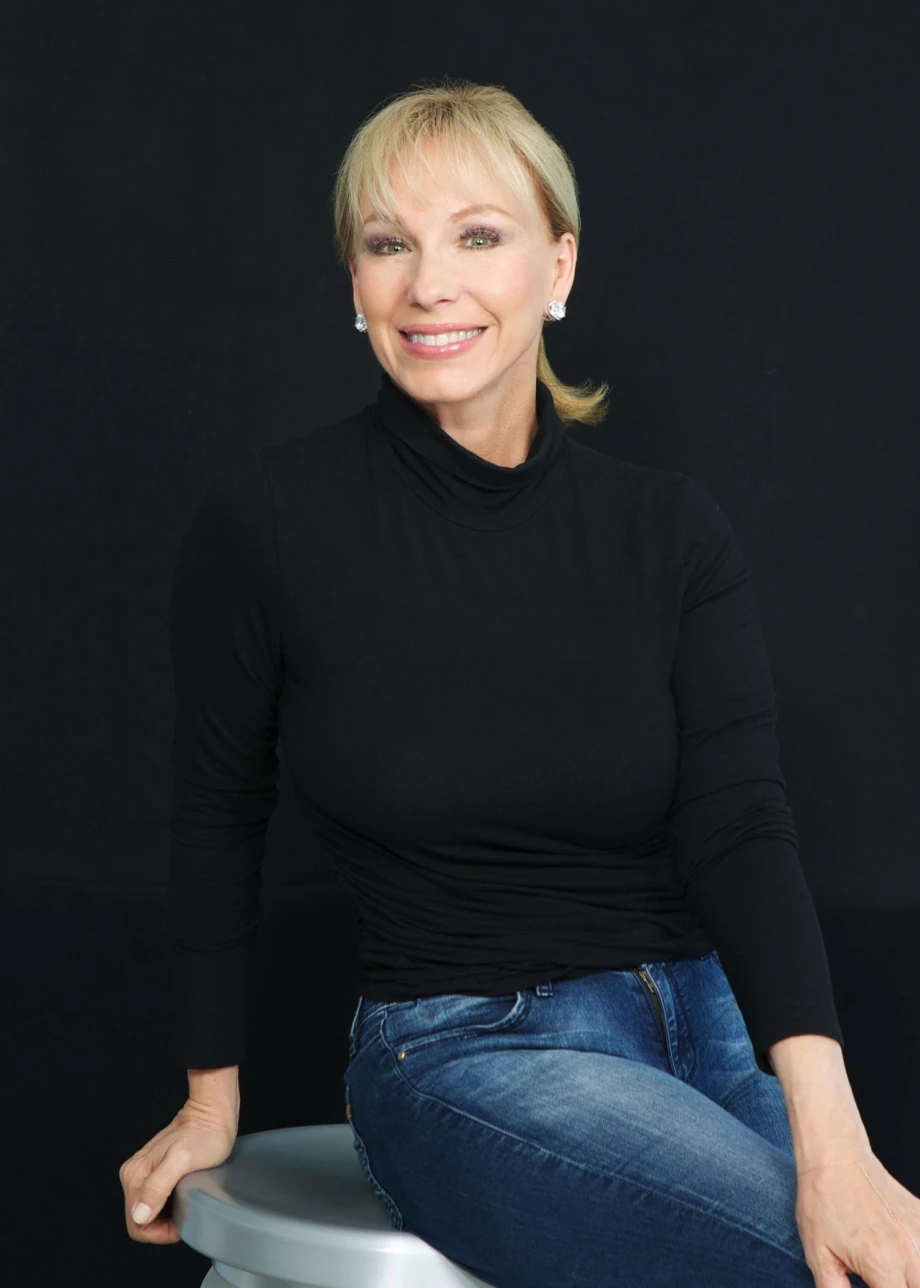
"Cruelty-free was simply the right thing to do."--Lea Black
Lea Black
*Summarized by AI
As consumers become increasingly interested in ingredient sourcing, sustainability, and product transparency, many beauty brands have expanded their messaging around clean beauty and ethical formulation. At the same time, the definition of "clean beauty" continues to evolve, and professionals and consumers alike are asking more questions about what those claims really mean. Lea Black has been part of that conversation for decades.
The founder of Lea Black Beauty launched her skincare brand in 1985 with an emphasis on cruelty-free practices, ethically sourced ingredients, paraben-free formulations, and clinically backed products, long before many of those qualities became common selling points. Today, she believes that experience offers a unique perspective on how brands communicate about clean beauty and what professionals should look for beyond the marketing.
Throughout this interview, Lea shares her views on ingredient sourcing, formulation, transparency, and the questions she believes beauty professionals should be asking.
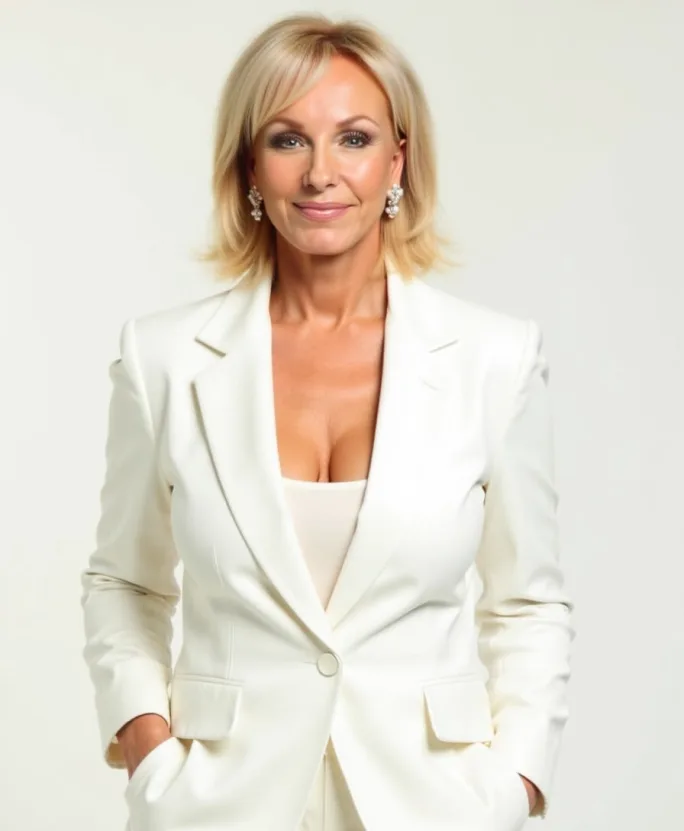
"Beauty professionals should ask questions about the source and quality of the raw ingredients, not just rely on the claims printed on the packaging."--Lea Black
Lea Black
LEA BLACK: Cruelty-free was simply the right thing to do. I have always believed that beauty should never come at the expense of an animal's well-being. I also felt that using thoughtfully selected ingredients and avoiding unnecessary or potentially harsh additives or preservatives was common sense. Even in 1985, my philosophy was that skincare should support the skin, not overwhelm it. Consumers may not have been asking those questions yet, but I believe they deserve products made with care, integrity, and respect.MS: As more brands emphasize clean beauty, what should beauty professionals look for when evaluating those claims?
LB: I look beyond the marketing language and go directly to the ingredients, the formulation, and the integrity of the company behind the product. A brand that is genuinely built on these principles should be able to explain why each ingredient is included, where its raw materials come from, how the products are manufactured, and what standards guide its decisions. Clean beauty is not a slogan or a trend. It is a long-term commitment that should be reflected in every part of the business.
MS: What challenges do brands face when they reformulate products to meet evolving consumer expectations? And what mistakes do you see being made?
LB: There's nothing wrong with evolving to address changing consumer interests. However, as "greenwashing" has demonstrated, some brands compromise their values—or their products—to appear more sustainable rather than making meaningful changes.
The biggest mistake is compromising quality for speed or cost. Removing certain ingredients from a formula is not enough. The product still has to be effective, stable, safe, and enjoyable to use. When brands rush to meet a trend or reach a price point, they may create formulas that sound good in marketing but do not perform well for the customer. Clean beauty should never mean sacrificing results.

"Clean beauty should never mean sacrificing results."--Lea Black
Lea Black
LB: Ethically sourced means understanding where raw ingredients come from, how they are grown or produced, how workers and communities are treated, and whether the ingredients are obtained responsibly. It also has a direct impact on the quality of the finished product. The purity, freshness, and consistency of the raw ingredients, combined with the expertise of the formulation, will ultimately help determine the efficacy of the product. You cannot create an exceptional formula with inferior ingredients.
LB: Beauty professionals should ask questions about the source and quality of the raw ingredients, not just rely on the claims printed on the packaging. They should also look at the full ingredient list, the manufacturing standards, the brand's policies, and whether the company is transparent about its formulas. A genuinely clean brand should be willing and able to answer those questions clearly.
LB: The industry still relies too heavily on added synthetic fragrance. Fragrance can make a product feel luxurious, but it does not necessarily improve the performance of the formula, and it may be irritating for some consumers. I believe skincare should be judged first by how well it supports the skin. When fragrance is used, it should be thoughtful, minimal, and never included simply to mask an inferior formula.
Questions to Ask Your Favorite Brands from Lea Black
Whether you're a beauty professional or a regular consumer, don't rely solely on claims in advertisements or on packaging. Truly clean brands should be willing to answer questions such as:
Some certifications that can help validate a brand's claims include:
Lea Black is the mind behind Lea Black Beauty®, a brand that launched in 1985 with a focus on ethically sourced ingredients, paraben-free formulation, cruelty-free testing, and clinically backed results.
Originally posted on Modern Salon
A clean mascara without microplastics.
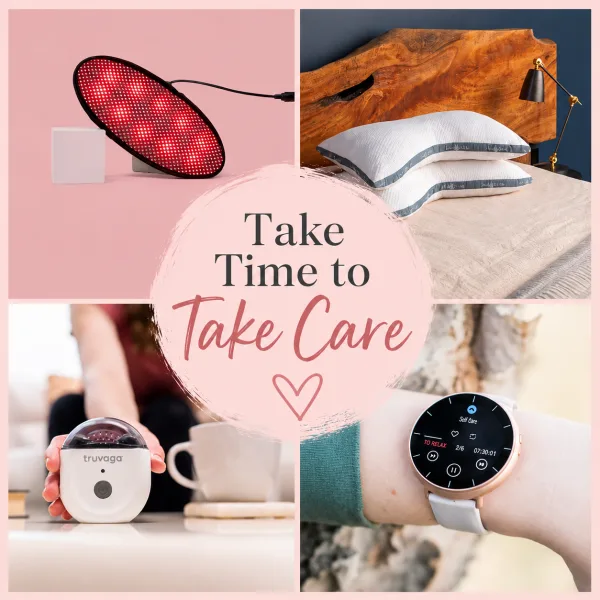
You spend your days taking care of others. With Wellness Month upon us, it's time to give yourself some love and we've got a roundup of gadgets and products to do just that.
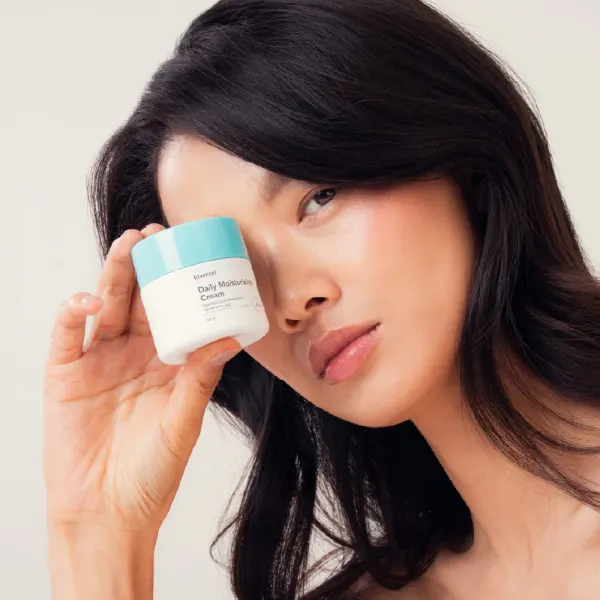
Powered by Hinokitiol, a proprietary antioxidant from Pacific Red Cedar, Riversol products are formulated for sensitive and rosacea-prone skin.
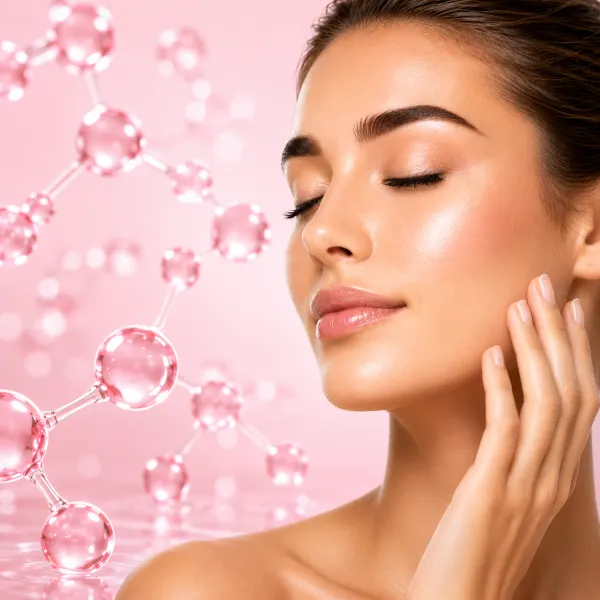
While the public's interest in peptides shows today's consumers want to be proactive about aging, the professional's role is to help them understand new developments in aesthetics and make smart choices that support their long-term goals.

With this latest FDA clearance, Ultherapy PRIME continues to expand its non-surgical body treatment portfolio, beginning with a U.S. launch followed by a global rollout.

Are your blondes feeling blah? Give ’em a lift with LightDimensions SilkLift Strong
Sponsored by Goldwell
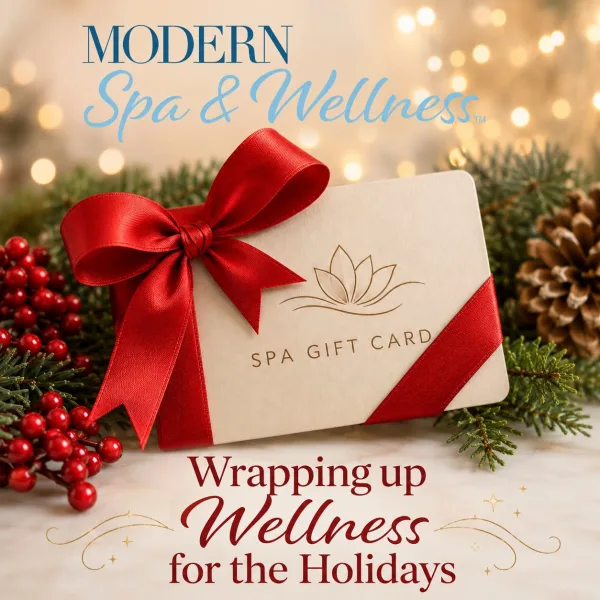
The winter holidays and Mother's Day are the most popular holidays for gift card campaigns in spas, salons, and medspas. SALON TODAY taps into industry experts for strategies in designing and marketing a successful campaign, as well as how to manage that cash flow influx while avoid getting into trouble with your bottom line or the IRS. Plus, five salons and spas share their case studies.

August marks Wellness Month, and a collection of spas in California and Arizona show us the specials on their service menu.

Illuminated Paths is a boxed set of 52 cards, a guidebook, and an Oracolor Wheel, a visual framework that helps readers reconnect with the qualities they want to bring into everyday life.

LifeSpa leader Ali Yanez explains why strong mentorship, predictable income, meaningful recognition and the right work environment help beauty professionals build careers that last.
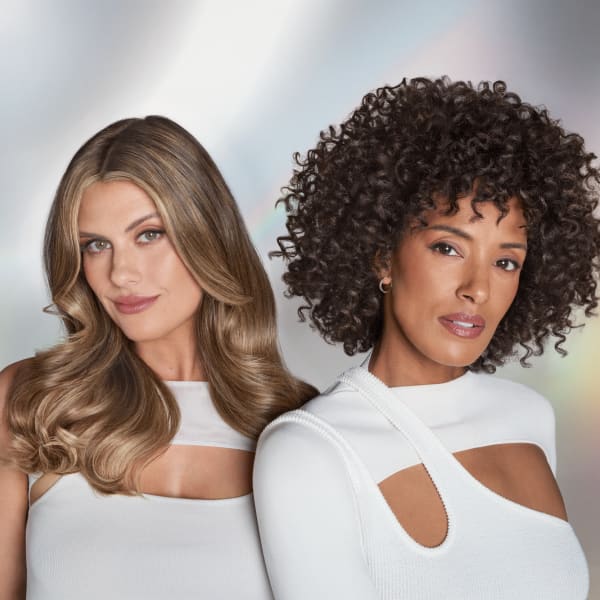
The FutureIQ™ biomimetic hair longevity serum is a lightweight, fast-absorbing formula, powered by K18’s proprietary MultiVital™ technology, designed to simultaneously support hair retention, scalp vitality, and pigment longevity through biology-first intervention.
Sponsored by K18 Hair
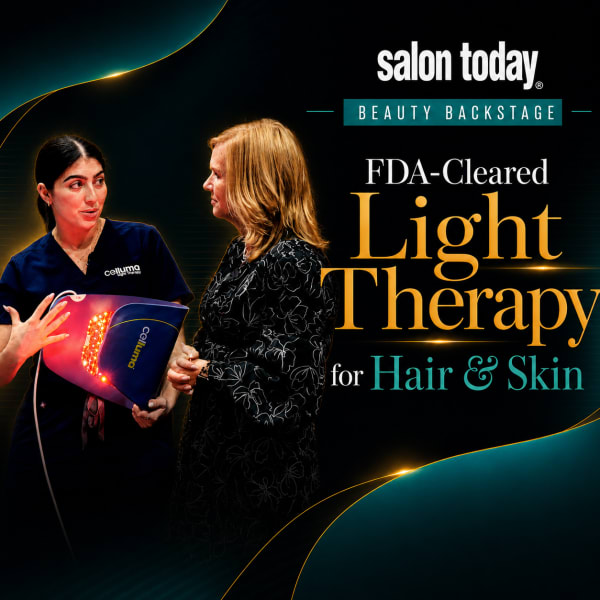
In a video interview from the floor of Premiere Orlando 2026, SALON TODAY's Stacey Soble talks with Celluma Light Therapy to talk about the benefits of light therapy, the versatility of Celluma's light panels, and how the therapy can be incorporated into salon and spa services.
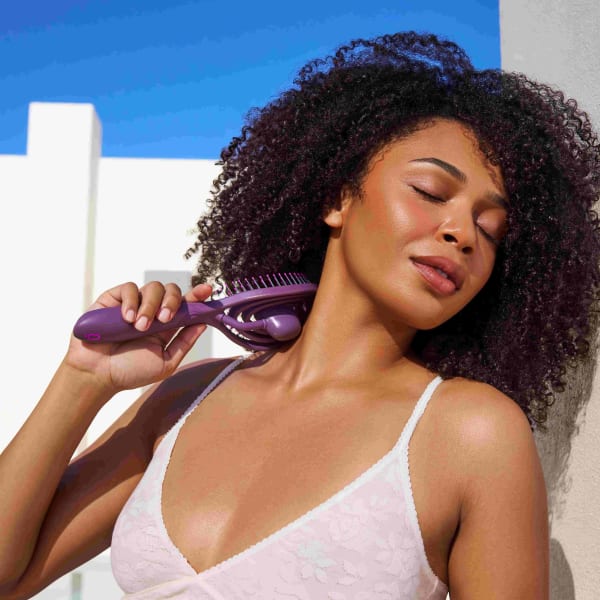
With 6,000 micro-strokes per second, the brush is a master detangler, and the dome on the flip side can be used for scalp, neck, and shoulder massage.
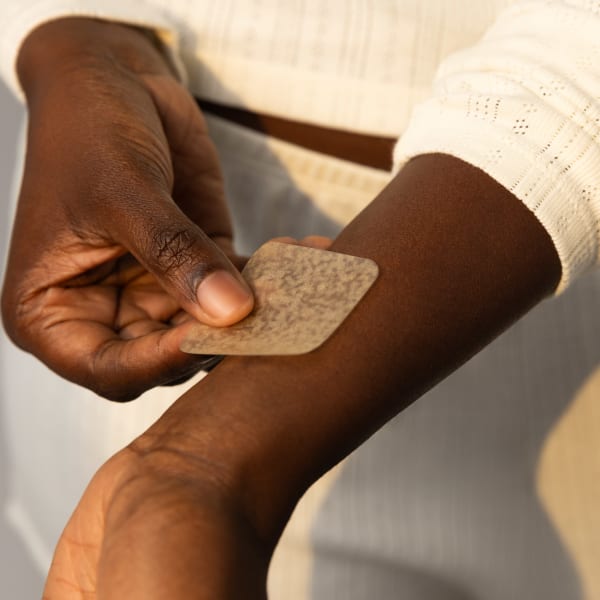
The Good Patch is a leading wearable wellness patch brand, offering wellness and skincare patches that support everyday needs including energy, sleep, relaxation and more.
In this expert column, internationally recognized educator Rita Perna Allor shares why beauty professionals are uniquely positioned to educate, support and empower clients, while staying within their professional scope of practice.
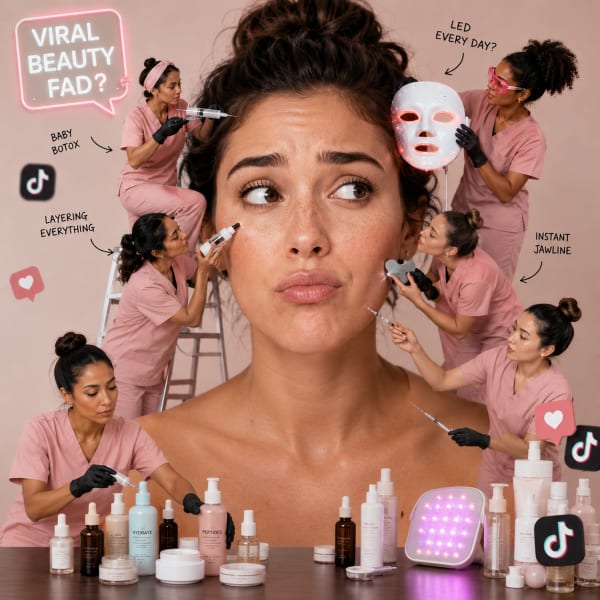
Aesthetic Medical Director Dr. Natalia Bratu reveals the dangers behind seven viral social media beauty trends.
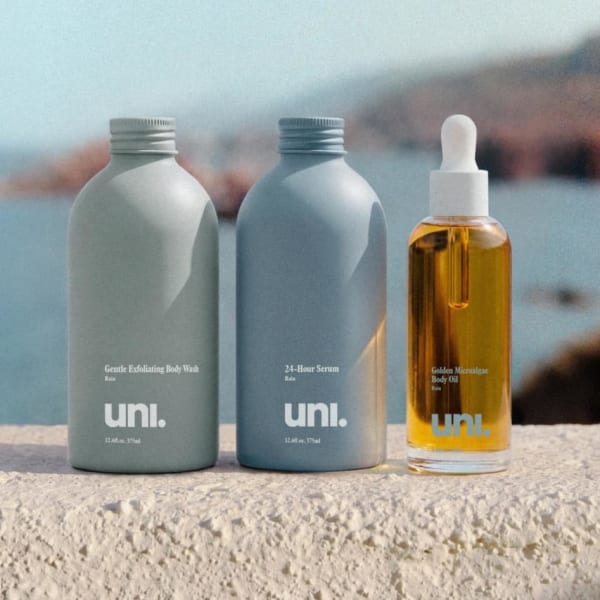
The ocean-powered brand expands bestselling 24-Hour Body Serum in a new scent across body care essentials.