









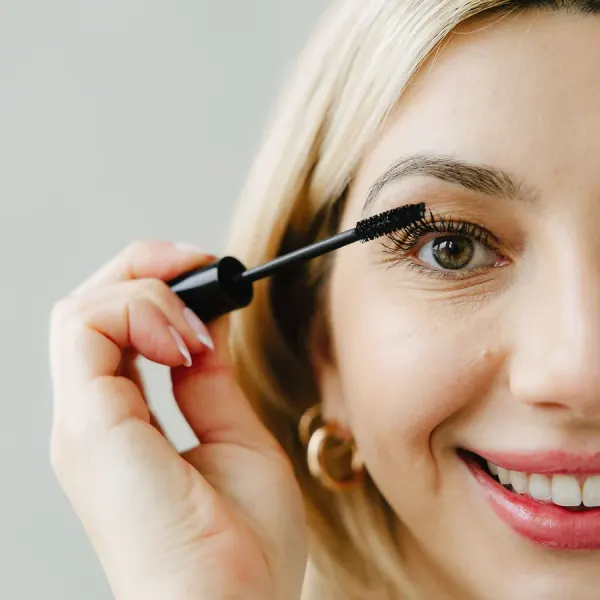
Jennifer Lane Beauty's Lane Lashes Mascara
A clean mascara without microplastics.
 MENU
MENU SEARCH
New Global Wellness Institute research reveals a wellness market on fire: growing 35% since 2019 (6.2% annually) and forecast to expand even faster (7.6% yearly) through 2029.
AI-generated image
The Global Wellness Institute (GWI), a nonprofit 501(c)(3), is considered the leading global research and educational resource for the global wellness industry, recently released the Global Wellness Economy Monitor 2025, research that provides authoritative, in-depth data and insights on the global wellness market and each of its 11 sectors.
From the research, the story is about accelerating growth. The wellness market has doubled since 2013, and grew 7.9% from 2023 to 2024, reaching a new peak of $6.8 trillion. The market is officially beyond “pandemic recovery mode”: all 11 wellness sectors now exceed their 2019 values, most by significant margins.
By far the fastest growing segments are wellness real estate and mental wellness, expanding at 19.5% and 12.4% annually, respectively, from 2019 to 2024. The only stagnant market: workplace wellness, with global spending shrinking by 1.5% from 2023 to 2024. Every regional wellness market has experienced major growth over the last five years, with North America (7.9%), Middle East-North Africa (7.2%) and Europe (6.3%) posting the biggest annual gains.
Wellness ($6.8T) now surpasses other global mega-industries, including sports ($2.7T), tourism ($5T), the green economy, ($5.1T), and IT ($5.3T). It’s almost four times bigger than the pharmaceutical industry ($1.8T) and is 60% as large as all global health expenditures (including consumer and government spending of $11.2T).
Wellness keeps growing its share of the overall world economy: if it represented 5.7% of global GDP in 2019, and 6.1% in 2024, GWI forecasts that it will comprise 7.1% by 2029.
Because the trends fueling the wellness industry will only accelerate—an aging population, rampant chronic disease and mental unwellness, and a market newly focused on prevention and longevity––GWI predicts that the industry will grow at an even faster pace (7.6% annually) through 2029, when it will approach $10 trillion. The predicted biggest gainers through 2029 by annual growth rate are wellness real estate (15.8%), traditional & complementary medicine (10.8%), mental wellness (10.1%) and thermal/mineral springs (10%).
“Now that the wellness economy has fully recovered from the pandemic, we can see how unstoppable it is as a consumer trend, and also how much the future growth has been accelerated by our pandemic experiences,” said Katherine Johnston, GWI senior research fellow. “There’s been a sea change in consumer mindsets, with prevention, mental health, social connection, the impacts of our living environments, and nature becoming dramatically more important all over the world. These shifts are fueling growth across all wellness sectors––from wellness real estate and mental wellness to hot springs and social bathing to more sophisticated preventative medical-wellness solutions.”
The 140-page report is filled with new market data, sub-sector breakdowns and future projections for all 11 wellness sectors––along with regional data and the top 20 national markets for each wellness sector. New for 2025 (Chapter 2) is an exploration of the powerful market trends that will impact the future of all 11 wellness sectors and why certain segments are growing faster or slower.
By 2029, six wellness sectors—personal care & beauty; healthy eating, nutrition, & weight loss; physical activity; wellness tourism; wellness real estate; and traditional & complementary medicine—will exceed $1 trillion in market size.
About the Global Wellness Institute: The Global Wellness Institute (GWI), a nonprofit 501(c)(3), is considered the leading global research and educational resource for the global wellness industry and is known for introducing major industry initiatives and regional events that bring together leaders to chart the future. GWI positively impacts global health and wellness by educating public institutions, businesses and individuals on how they can work to prevent disease, reduce stress and enhance overall quality of life. Its mission is to empower wellness worldwide.
Research Sponsors: This research was made possible by these leading companies: Aldar Properties PJSC, Amway, Fountain Life, Sable Investments, Therme Group, Eywa by R Evolution, Hyatt, NADclinic, Carillon Miami Wellness Resort, Technogym, amp, KOHLER, Mather, Rancho la Puerta, Six Senses and Universal Companies.
Originally posted on Modern Salon
A clean mascara without microplastics.
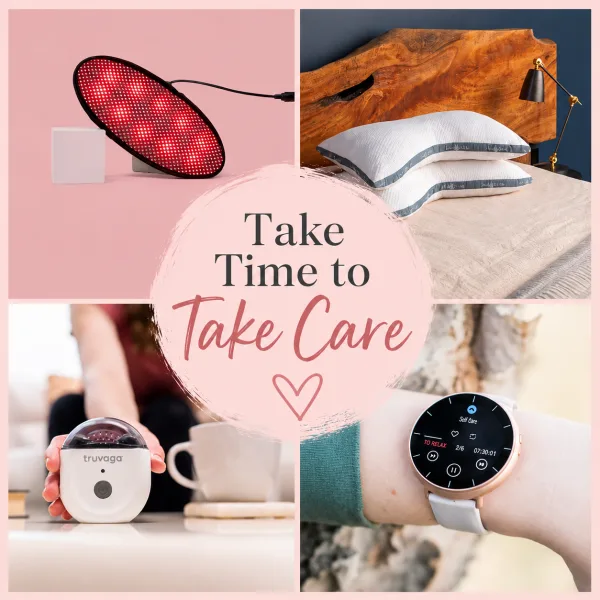
You spend your days taking care of others. With Wellness Month upon us, it's time to give yourself some love and we've got a roundup of gadgets and products to do just that.
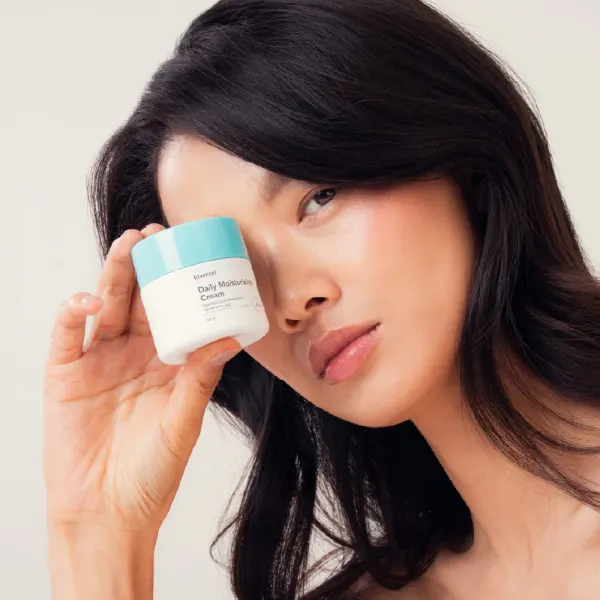
Powered by Hinokitiol, a proprietary antioxidant from Pacific Red Cedar, Riversol products are formulated for sensitive and rosacea-prone skin.
While the public's interest in peptides shows today's consumers want to be proactive about aging, the professional's role is to help them understand new developments in aesthetics and make smart choices that support their long-term goals.
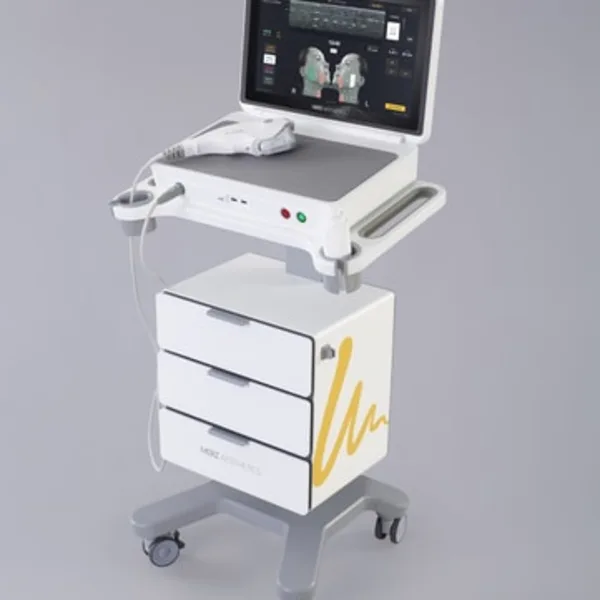
With this latest FDA clearance, Ultherapy PRIME continues to expand its non-surgical body treatment portfolio, beginning with a U.S. launch followed by a global rollout.

Are your blondes feeling blah? Give ’em a lift with LightDimensions SilkLift Strong
Sponsored by Goldwell

The winter holidays and Mother's Day are the most popular holidays for gift card campaigns in spas, salons, and medspas. SALON TODAY taps into industry experts for strategies in designing and marketing a successful campaign, as well as how to manage that cash flow influx while avoid getting into trouble with your bottom line or the IRS. Plus, five salons and spas share their case studies.

August marks Wellness Month, and a collection of spas in California and Arizona show us the specials on their service menu.

Illuminated Paths is a boxed set of 52 cards, a guidebook, and an Oracolor Wheel, a visual framework that helps readers reconnect with the qualities they want to bring into everyday life.

LifeSpa leader Ali Yanez explains why strong mentorship, predictable income, meaningful recognition and the right work environment help beauty professionals build careers that last.