









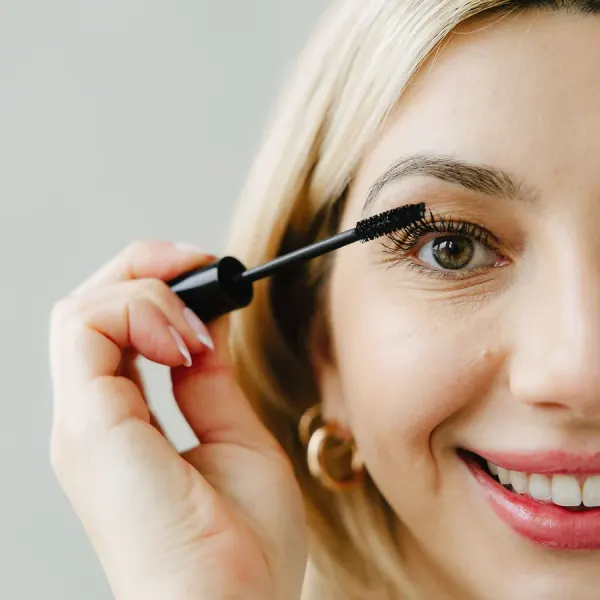
Jennifer Lane Beauty's Lane Lashes Mascara
A clean mascara without microplastics.
 MENU
MENU SEARCH
The American Academy of Facial Plastic and Reconstructive Surgery announces five aesthetic trends for 2026. Regeneration, precision and personalization define the future of facial plastic surgery.

The American Academy of Facial Plastic and Reconstructive Surgery predicts five aesthetic trends for 2026 and most point to consumers wanting to look like better versions of themselves, versus looking like someone else.
AI-generated image from Pixabay
The American Academy of Facial Plastic and Reconstructive Surgery (AAFPRS) today announced its top 5 aesthetic trends for 2026, highlighting how patient preferences and surgical innovation are reshaping the future of beauty and wellness.
“As we look toward 2026, aesthetic medicine is entering a new era defined by regeneration, precision, and personalization,” saysAnthony E. Brissett, MD, FACS, President of the AAFPRS, the largest association of facial plastic surgeons in the world. “We’re moving beyond simply restoring appearance to truly enhancing function, longevity, and confidence. It’s not just about looking refreshed; it’s about feeling renewed from the inside out.”
2026 AAFPRS Top 5 Trends
Treatments that activate the body’s natural repair mechanisms are leading the industry’s next chapter. According to the 2024 AAFPRS member survey, 57% of facial plastic surgeons expect regenerative medicine to be a major growth area, and one in four predict exosomes will become a key part of future practice.
Biologic therapies such as biostimulators, exosomes, platelet-rich fibrin (PRF), growth factors, and stem-cell-derived products are transforming rejuvenation by improving tissue quality from within. Biostimulators like poly-L-lactic acid (Sculptra) and calcium hydroxyapatite are increasingly paired with energy-based modalities like RF microneedling and ultrasound to stimulate collagen and elastin regeneration, producing natural, lasting improvements in texture, tone, and firmness. This represents a shift from filling or tightening to reawakening the skin’s own regenerative capacity.
Advancements in AI-driven facial mapping and 3D imaging are allowing injectors to customize treatment plans with unprecedented accuracy. The move toward micro-dosing and refined placement ensures subtle, expressive outcomes that preserve individuality and natural movement, reflecting a cultural preference for enhancement over transformation.
Medical spas and facial plastic practices are evolving into holistic wellness destinations, offering aesthetic procedures alongside hormone optimization, nutritional support, and stress management. Patients now view outer beauty as a reflection of inner health, an “inside-out” approach that positions medical spas as leaders in preventive, regenerative care.
Digital tools are revolutionizing every stage of the patient journey as AI skin analysis, predictive visualization software, and wearable recovery monitors improve precision, safety, and satisfaction. Virtual consultations and digital follow-ups provide greater flexibility and continuity of care, bridging expert in-office treatment with ongoing at-home engagement.
Patients continue to prioritize authentic, natural-looking results, and surgeons are listening. The 2024-member survey shows that 68% of AAFPRS members report that patients’ top surgical concern is an unnatural outcome. This reinforces the growing cultural shift toward refinement over reinvention, emphasizing balance, proportion, and skin quality rather than eliminating every sign of age.
“Patients aren’t asking to look like someone else, they’re asking to look like themselves at their best,” adds Dr. Brissett. “The future of aesthetics lies in honoring individuality through thoughtful, regenerative, and precision-driven care.”
ABOUT THE AAFPRS:The American Academy of Facial Plastic and Reconstructive Surgery is the world’s largest specialty association for facial plastic and reconstructive surgery. It represents more than 2,200 facial plastic and reconstructive surgeons who perform plastic surgery of the face, head, and neck, and the majority of rhinoplasties, throughout the world.www.FaceMD.org
A clean mascara without microplastics.

You spend your days taking care of others. With Wellness Month upon us, it's time to give yourself some love and we've got a roundup of gadgets and products to do just that.
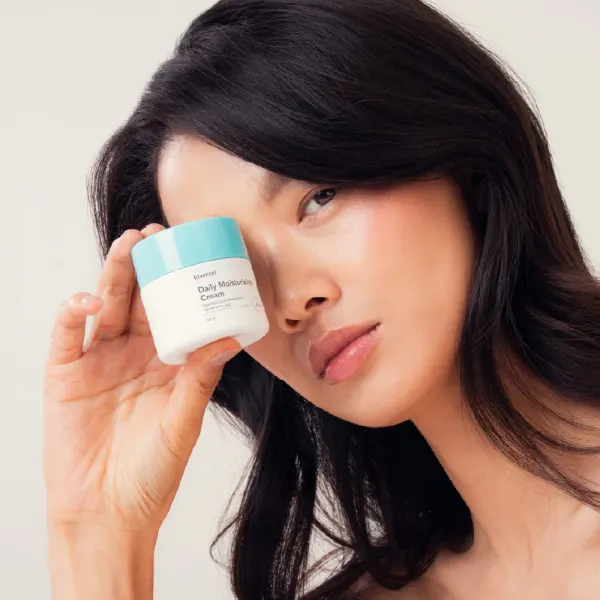
Powered by Hinokitiol, a proprietary antioxidant from Pacific Red Cedar, Riversol products are formulated for sensitive and rosacea-prone skin.
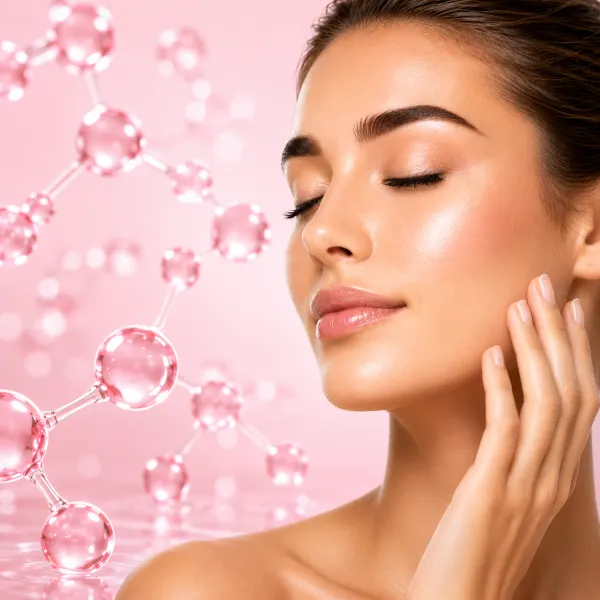
While the public's interest in peptides shows today's consumers want to be proactive about aging, the professional's role is to help them understand new developments in aesthetics and make smart choices that support their long-term goals.
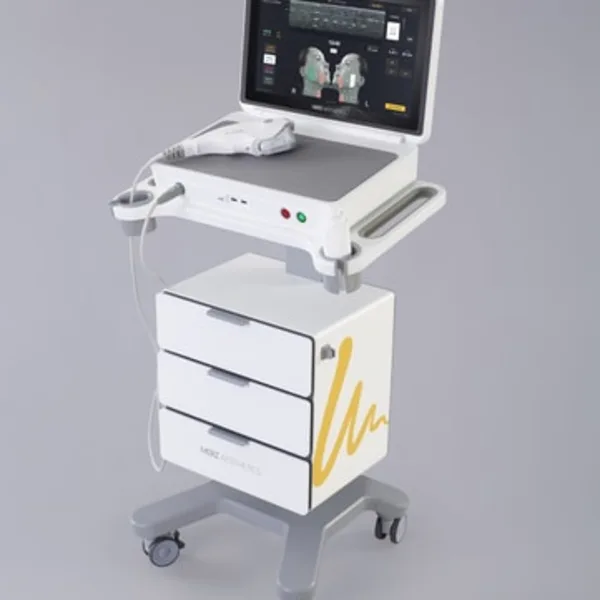
With this latest FDA clearance, Ultherapy PRIME continues to expand its non-surgical body treatment portfolio, beginning with a U.S. launch followed by a global rollout.

Are your blondes feeling blah? Give ’em a lift with LightDimensions SilkLift Strong
Sponsored by Goldwell

The winter holidays and Mother's Day are the most popular holidays for gift card campaigns in spas, salons, and medspas. SALON TODAY taps into industry experts for strategies in designing and marketing a successful campaign, as well as how to manage that cash flow influx while avoid getting into trouble with your bottom line or the IRS. Plus, five salons and spas share their case studies.

August marks Wellness Month, and a collection of spas in California and Arizona show us the specials on their service menu.

Illuminated Paths is a boxed set of 52 cards, a guidebook, and an Oracolor Wheel, a visual framework that helps readers reconnect with the qualities they want to bring into everyday life.
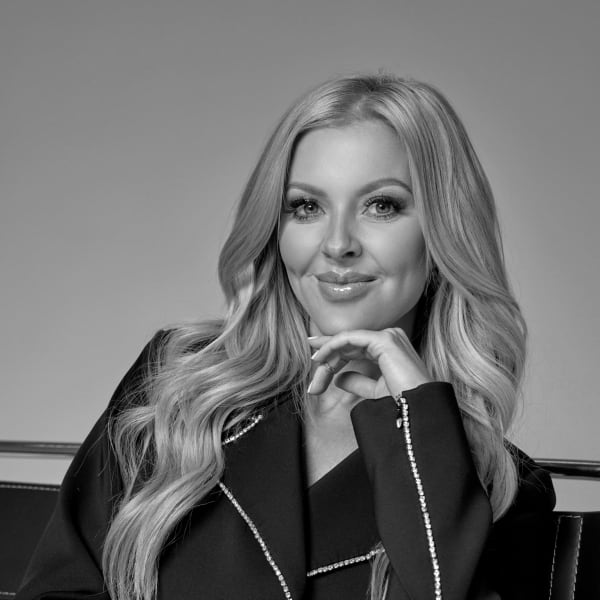
LifeSpa leader Ali Yanez explains why strong mentorship, predictable income, meaningful recognition and the right work environment help beauty professionals build careers that last.

The FutureIQ™ biomimetic hair longevity serum is a lightweight, fast-absorbing formula, powered by K18’s proprietary MultiVital™ technology, designed to simultaneously support hair retention, scalp vitality, and pigment longevity through biology-first intervention.
Sponsored by K18 Hair
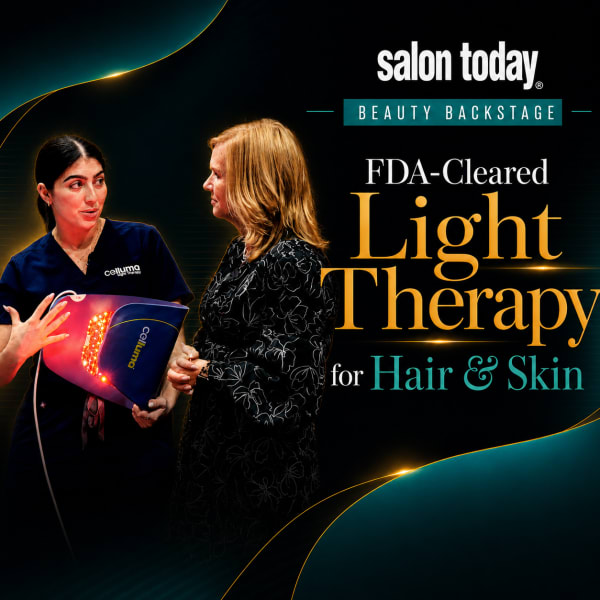
In a video interview from the floor of Premiere Orlando 2026, SALON TODAY's Stacey Soble talks with Celluma Light Therapy to talk about the benefits of light therapy, the versatility of Celluma's light panels, and how the therapy can be incorporated into salon and spa services.

With 6,000 micro-strokes per second, the brush is a master detangler, and the dome on the flip side can be used for scalp, neck, and shoulder massage.
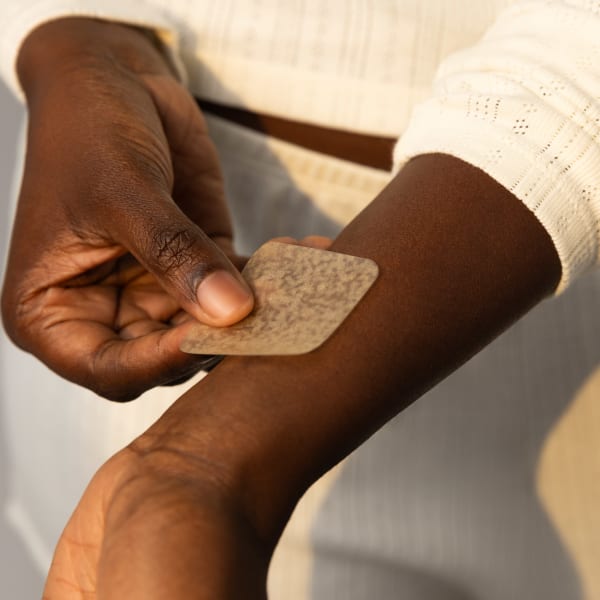
The Good Patch is a leading wearable wellness patch brand, offering wellness and skincare patches that support everyday needs including energy, sleep, relaxation and more.
In this expert column, internationally recognized educator Rita Perna Allor shares why beauty professionals are uniquely positioned to educate, support and empower clients, while staying within their professional scope of practice.
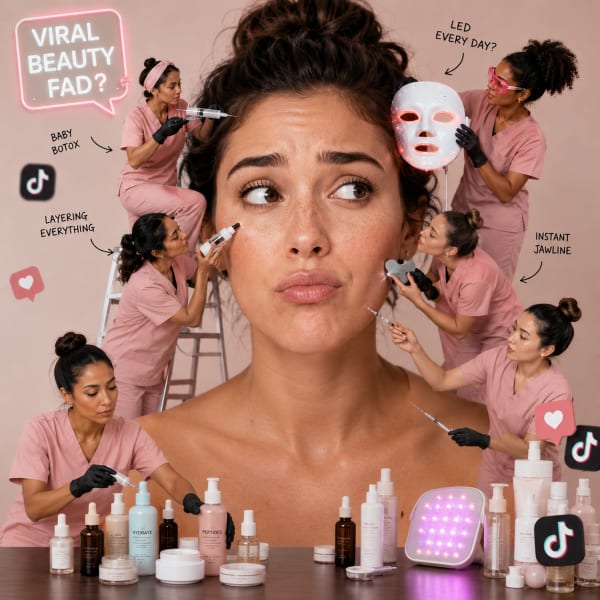
Aesthetic Medical Director Dr. Natalia Bratu reveals the dangers behind seven viral social media beauty trends.

The ocean-powered brand expands bestselling 24-Hour Body Serum in a new scent across body care essentials.