Experts from the law firm Duane Morris LLP offer best practices for salon that use formaldehyde-containing products—helping them limit client and employee exposure and also limit the salon's liability.
by Thomas B.K.
September 21, 2012
4 min to read
Thomas B. K. Ringe, III
Chauvron S. Regis
The vast majority of hair salons across America use chemicals on a daily basis when handling hair-processing products such as aerosol hairspray and mousse, hair straighteners, smoothing and relaxers, and permanent hair dye and wave products, to name a few.
Some salon owners may be unaware that various products, handled daily by their employees, contain chemical vapors such as formaldehyde, sodium hydroxide, parabens, ammonium thioglycolate, lead acetate, or Phenylenediamine. These chemicals can be harmful if not used or monitored correctly.
Ad Loading...
One of the product categories getting attention these days is the category of formaldehyde-containing products used to chemically straighten hair. The straightening services that incorporate these products are in high demand from many clients with hair that is difficult to manage, and the profit-generating services have offered a boost to stylists and salons during difficult economic times.
If your salon uses these products, it’s also important to note that you can limit formaldehyde exposure, use these products safely, and limit your salon’s liability if you follow some basic best practices.
Best Practices That May Reduce Your Salon’s Liability
1. Know which of the products you use may contain formaldehyde or create a formaldehyde exposure of any kind. 2. Be familiar with and follow all federal, state and local enviornmental, OSHA, and health requirements when using hair products containing and/or releasing formaldehyde. 3. Have a licensed environmental laboratory test the salon air periodically to ensure that formaldehyde levels are below OSHA's permissible exposure limits. 4. Post the results of the air tests in the salon within 15 days of receipt. 5. Have the air test personnel carefully document the conditions under which monitoring took place. 6. Install ventillation systems in the areas where hair-processing products are mixed and used to help keep formaldehyde levels below OSHA's permissible limits, and perform regular maintenance to make sure these systems work correctly. 7. Have in place a medical surveillance program to be conducted immediately for any employee reporting signs or symptoms of overexposure to formaldehyde. 8. List formaldehyde on salon employee safety materials if your employees handle hair-processing products containing more than 0.1%formaledhyde. Be mindful that there are products available on the U.S. market containing formaldehyde at higher levels than OSHA has deemed acceptable. 9. Educate your employees about the health effects of formaldehyde, how to use the products safely, and what personal protective equipment to wear while using the products. 10. Conduct annual training for employees exposed to 0.01 ppm of formaldehyde or greater. This training should include: where exposures happen, the signs of exposure, how to protect oneself, how to use protective equipment while mixing and applying the product, the limitations of protective equipment, how to handle spills or emergency situations and where to find more information. 11. Have your employees sign an acknowledgement that they have received this training. 12. Reduce the risk of your employees' formaldehyde exposure by using appropriate protective equipment such as nitrile gloves, face shields, chemical splash goggles, and chemical-resistant aprons. 13. When possible, require your employees to use lower heat settings on blow dryers and flat irons during the concurrent use of hair-processing products and heat. 14. Provide your employees with the correct medical attention (e.g., doctor exams) if they develop signs and symptoms of overexposure to formaldehye or are exposed to large amounts of formaldehyde during an emergency(e.g. a large spill). 15. Contact our Beauty Products Industry Practive to provide your salon with assistance in developing a successful, practical approach to these issues.
If you would like a copy of the full white paper on this topic or have any questions about the information contained in this article, you can email CSRegis@duanemorris.com, or contact Thomas B.K. Ringe, III, Chauvron S. Regis at Duane Morris LLP at 215-979-1000.
Ad Loading...
Thomas B.K. Ringe III is a partner in the Trial Practice Group of law firm Duane Morris LLP in Philadelphia. He focuses his practice on the defense of consumer and commercial civil actions for large companies. He can be reached atTBKRinge@duanemorris.com.
Chauvron S. Regis is an associate in the Trial Practice Group of Duane Morris in Philadelphia. She practices in the area of litigation with concentrations in products liability and toxic torts and insurance defense. She can be reached atCSRegis@duanemorris.com.
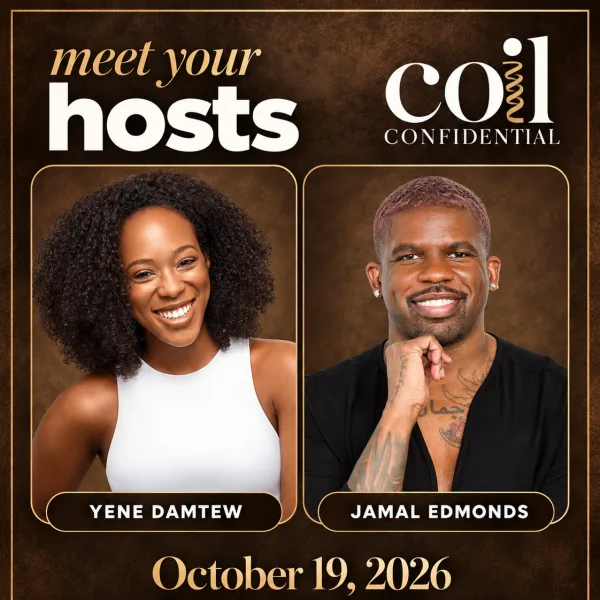
Stylists Yene Damtew and Jamal Edmonds launch Coil Event, a textured hair event for working stylists with hands-on education, live demonstrations, industry conversation, and networking.
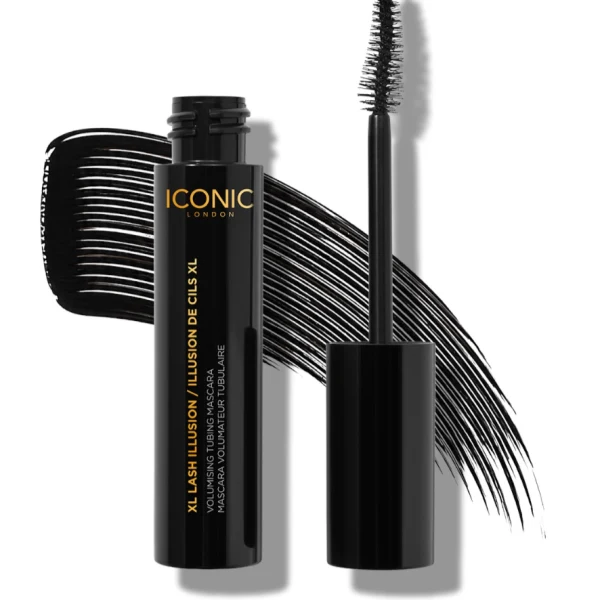
The easily wearable formula delivers XL volume, extreme length, and a weightless, lifted finish without the heaviness of traditional volumizing mascaras.
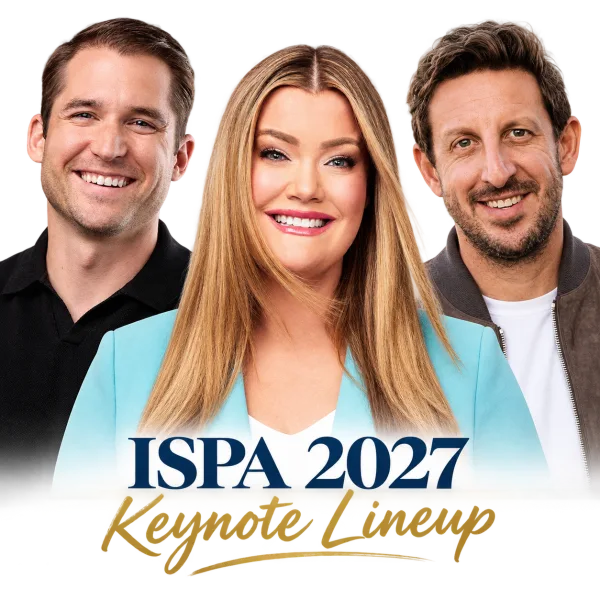
The International SPA Association recently announced that Jefferson Fisher, Jamie Kern Lima and Zack Kass are the keynote speakers for its 2027 Conference, scheduled for March 3-5 at Mandalay Bay in Las Vegas.
Life of Riley Salon Supply and Riley Salon Resources are back in the family, as Kelly Huether acquires the professional distributor he co-founded in 2013.
BaBylissPRO and IGK have partnered to launch the BaBylissPRO Studio Trunk, transforming the professional tool brand’s digital Style Studio into a physical experience for the first time in its sixty-year history.
K18 Biomimetic Hairscience has partnered with Beauty Changes Lives to launch the K18 Future of Hair Scholarship, aiming to support aspiring professional stylists by reducing financial barriers to cosmetology education.
Rosy Salon Software integrates with Mya, empowering salons, spas, and barbershops to transform their websites into powerful, automated lead-generation machines.
Known for his buttery blondes and a technique for highlighting hair with more precision that he called chunking, Brad Johns died on August 27. His friend and fellow colorist, David Stanko, shares thoughts on his talented colleague and close friend.