








Jotform
Form Builder & Data Management
 MENU
MENU SEARCH
Technology is moving the salon realm into a new era, providing new ways to grow and be efficient. Guest Blogger Jayesh Kamble discusses different strategies in which technology is now the main player in optimizing the effectiveness and profitability of salons.

Jayesh Kamble is a professional content writer for Consegic Business Intelligence.
Jayesh Kamble
In today's modern and fast-paced life, salons are now making the maximum utilization of technology to simplify their activities, raise client satisfaction, and in general, better their management skills. From scheduling and payment systems to digital marketing and customer relationship management (CRM), technology is now establishing a new frontier of how the beauty industry operates, making it more competitive and profitable than it was in the past. The article discusses the different strategies in which technology is now the main player in optimizing the effectiveness and profitability of salons. The salon's technology is moving the salon industry into a new era and providing new ways to grow and be efficient.
One of the best salon technologies for efficient salon management is the installation of appointment booking and scheduling systems through the Internet. Time flies like an arrow with the introduction of online booking systems from the end of the past when manual ways to remember appointments are a thing of history.
People can arrange the time when they come to their beauty salon by booking appointments online anytime 24/7 with no need to call the salon. These systems update the availability of the salon on a regular and real-time basis, without any overlap.
Some of these are just some of the leading factors that we know a company is modern-day with the assistance of automated machines. Without human interference, the systems keep running smoothly and avoid errors. The best-case scenario is when even the clients themselves are not exposed to such complications and the eating of time. Furthermore, client no-shows and inpatient stops would be minimized by platforms receiving the communication process and enabling warning texts to time, reminding appointments. These platforms' standard level of automation is the main contributor to efficiency at the salon, giving employees the chance to concentrate on customer satisfaction rather than scheduling.
The arrangement systems are dependent on their being equipped with schedules from salon management software, which includes maximum work slots, full/empty shop, client preferences, and weekends. These systems can also provide companies with data, which can be used to optimize their performance. Therefore, one of the techniques they can use to achieve successful outcomes is the ability to maximize bookshelf circulation and correct employment levels on weekends after a better understanding of customer behavior.
Interactive advertising is a strong tool that allows salons to connect with their customers in some new and fun ways. According to the Consegic Business Intelligence, the Interactive Advertising Market Size is estimated to reach over USD 122.31 Billion by 2030 from a value of USD 40.31 Billion in 2022, growing at a CAGR of 15.3% from 2023 to 2030. Alongside technologies such as AR, live streaming, and gamification, salons employ this strategy to generate a stronger effect as opposed to traditional approaches to providing services to clients. In an archetype where client satisfaction and commitment are critical, interactive advertising is seen as a string of distinctive techniques, which form the strongest link with clients, and differentiate salons from other players in the industry.
Among other things, the use of technology has also brought a sea change in the way salons handle payments and manage their finance. The traditional salons of today use a POS system with an inventory management feature as an example of the modernization that will be specified. These systems are multi-functional, and you can handle payment processing, inventory, and sales, all in one place. A POS is also able to give a discount, for example, depending on the amount of money using intelligent pricing and rules based on the customer's purchases. The salons can also instantly process payment through different forms including credit/debit cards, mobile wallets, and contactless payments. As a result, customers can experience a smooth and fast checkout.
Through the use of POS systems, owners are also able to see in real-time sales and revenue reports thereby having a clear view of their financial performance. Most POS systems have an inventory management feature that automatically monitors product stock and notifies staff when it is time to reorder. This guarantees that salon products will always be available without over-ordering, which borrowing, spending, and capitalizing to the maximum are required.
Salon management software is a cornerstone of modern salon operations, offering an all-in-one solution for managing every aspect of the business.
Through using the salon management software owners can track the working hours of their staff and measure their efficiency. The software keeps an eye on metrics such as service times, consumer reports, and revenues generated by each worker. This information helps managers recognize the best performers, allocate resources efficiently, and ensure that the team meets its goals.
Typically, most salon management systems come with very thorough analytics and reporting components. These tools give insights into the main KPIs, e.g. customer retention rates, average transaction amounts, and the most popular services. Based on the analysis, salon managers can make better decisions related to marketing, pricing, and service provision.
Technology has also opened up new avenues for salons to market their services and engage with clients. Due to the frequent use of social media platforms like Instagram, Facebook, and TikTok, hairstylists now show their work, attract new customers, and connect with the customers on various sites like these. By posting high-resolution images and videos of hairstyles, makeup, or nail art, salons can make a live collage online that will get people interested in them. Also, salons can use social media to advertise promotions, events, or new services, thus keeping their audience informed and engaged.
The reviews for salons are a very important thing for the reputation of the salon. You will find several online review platforms such as Google Reviews, Yelp, and Facebook that provide an opportunity for clients to express their opinions and stories. The reviews that the already existing clients have left can play a pivotal role in the decisions made by the prospective clients. The salon management software is equipped with such tools as reputation management. These are used by businesses to monitor and if necessary to respond to comments. Salons should address both positive and negative feedback in a timely and professional manner so they will be able to keep a solid online presence going.
The COVID-19 pandemic was a force that helped to bring in virtual consultations and digital services in the salon industry, which is a trend that is continuing to grow.
Nowadays, many salons have come up with virtual consultations where the clients can talk to the hairstylists or technicians via video call and thus have a conversation with the stylist or technician before they can go to book the session. The clients who ask these questions get advice that is specially tailored to them and the hair salon can prepare all the necessary products and equipment for the service. Virtual meetings are also very convenient for clients who are new to a beauty salon or looking for services, which are comprehensive and take a lot of time to plan.
Salons that want to thrive in the market have also implemented some products that guide the clients during the educational phase. For example, some tutorials are pre-recorded and one can learn how to do certain hairstyles or beauty routines at their home by visiting their website. In addition to the above, they can offer live sessions or guides that can be downloaded. These are new features for salons and they also make revenue from the clients who prefer to come other than at the salon.
The security of data that salons collect from clients through digital platforms is being maintained and compliance with such regulations as GDPR (General Data Protection Regulation) is getting correct emphasis.
The practical implementation of salon management software- such as safe data stores that protect the privacy of client information against evasion and/or unauthorized entry- is included. The information from clients remains secured; as a salon, you have to make sure, via the software provider, that they strictly adhere to the IPS standards of secure data storage, which include encryption and the making of periodic security upgrades. Another requirement is that the salons must comply with the privacy regulations that dictate the client data gathering, storage, and usage. This is manifested by the need for clients' approval for data compilation, the duty of the business to provide full disclosure about the way they use the data, and even letting people leave marketing communication if they want to.
Customer relationship management (CRM) software is one of the factors that are now important in beauty salons to keep close to the customers and retain loyal clients.
CRM systems gather and store client data, e.g., contact info, job history, and service preferences. Salons could even utilize this data to construct personalized marketing campaigns, such as the delivery of their respective models, new promotions, or reminders for upcoming appointments. By dint of creating focused communication with individual clients, salons can develop some degree of loyalty and thus guarantee the client's return.
Moreover, several CRM systems include built-in loyalty programs that acknowledge clients for their constant support. These systems can be specifically set in the way that they reward points for every visit, which can later be exchanged for discounts, free products, or other exclusive deals to clients. The loyalty programs help the salons keep their clients and also make them spend more money.
Salons' operations are powered by technology which is efficient and also the fact that they can understand the customers better. They are now using various online systems, POSs, CRMs, marketing social media, and virtual consultations to enact the entire business process, skyrocket performance, and enable marketing executives to attract customers more creatively and flexibly. Like any aspect of business, technology brings in the air of transformation and the salons that put their trust in digital transformation will become leaders in a growing industry where each business is more and more competitive.
About the Author: Jayesh Kamble is a professional content writer at Consegic Business Intelligence with experise in Marketing and the IT industry.
Form Builder & Data Management
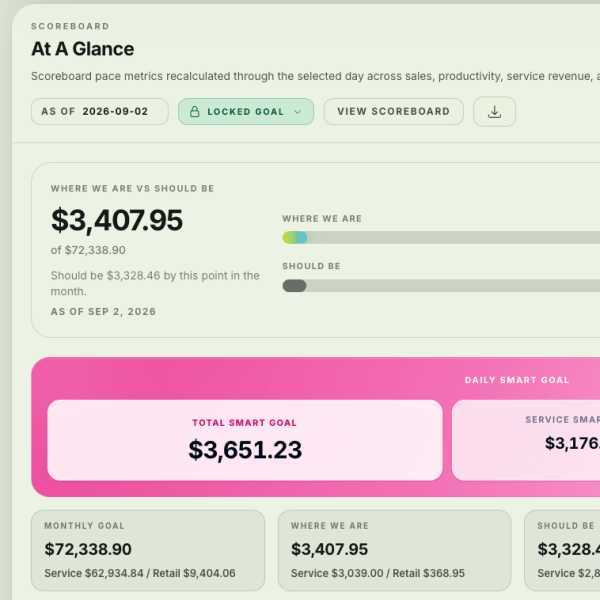
Financial & Team Management Software
Multi-Location Management Software
Business Management, POS & Booking
AI Front Desk
Growth Marketing Software Solutions
Business Management & Booking Software
As technology evolves at an accelerated rate, you want to make sure you have the best in your business toolkit to help you grow sales, motivate your team, communicate with your current and future clientele, and streamline your managerial tasks. The 2026 SALON TODAY Technology Solutions Guide is designed to help you navigate today's growing landscape of salon and spa technology. In this guide, you'll find a curated look at more than 50 of the latest software platforms, digital solutions, and innovative features to help you compare options and identify the best fit for your business.
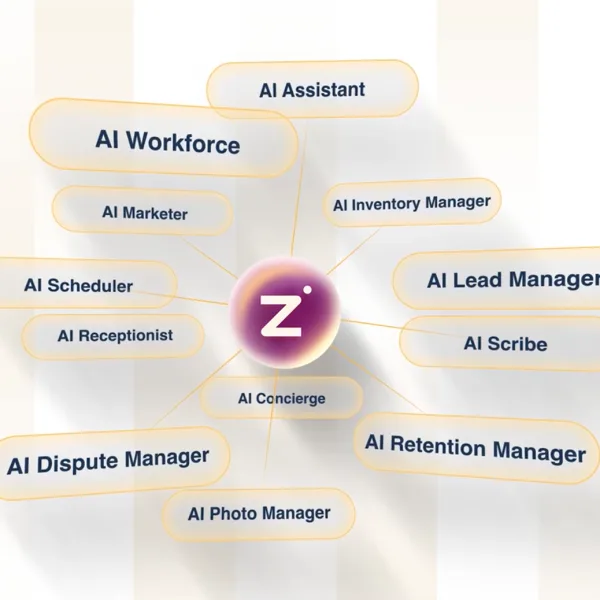
AI-Powered Salon Software
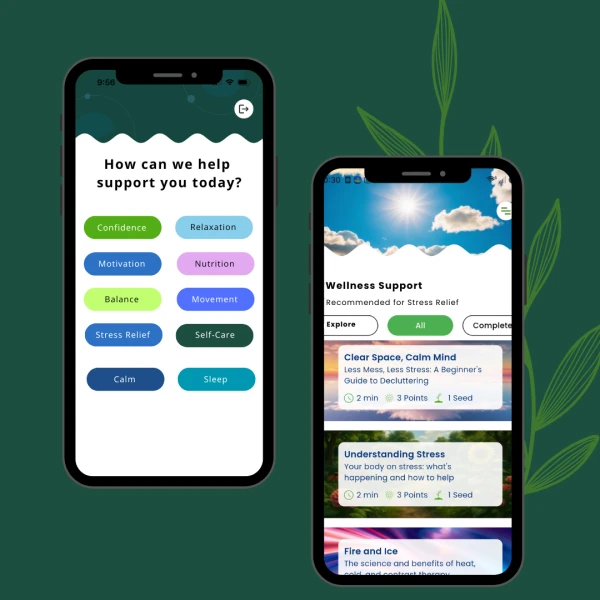
Employee Wellbeing Platform
Business Management
Tipping Software
SMS Management
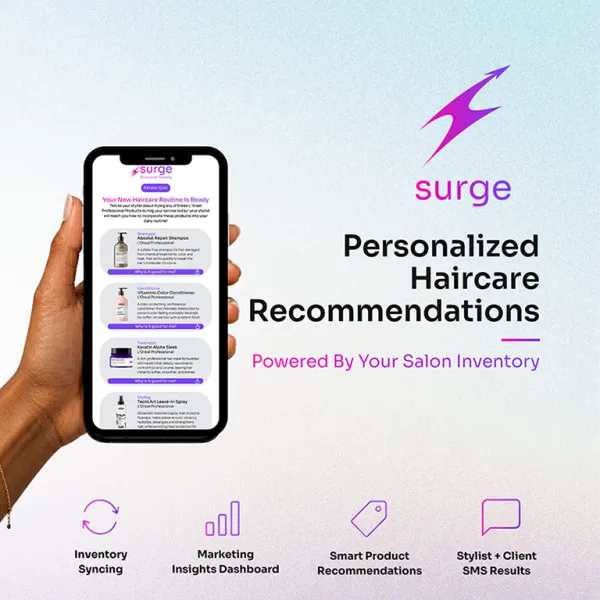
AI Retail Sales
Supply System
Tipping App
Business Management