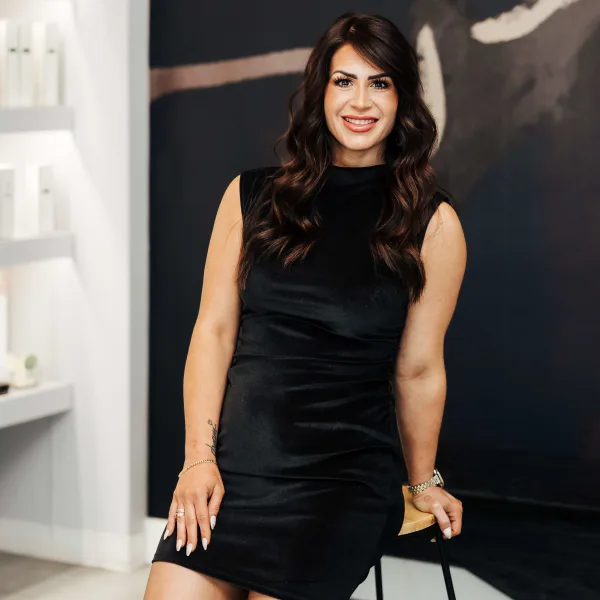
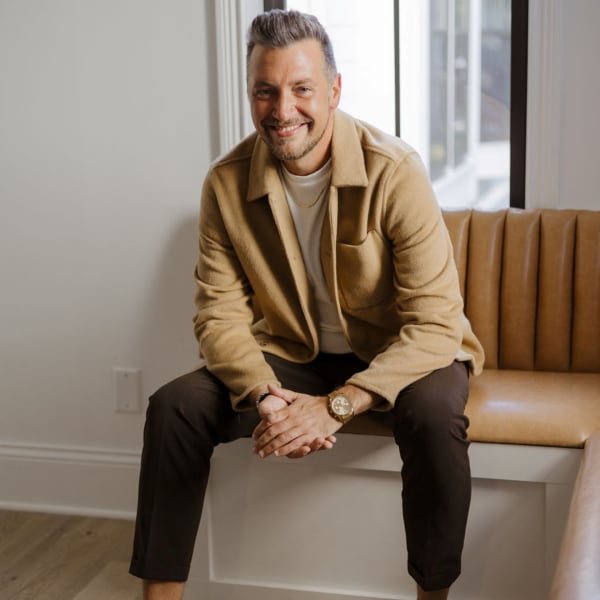
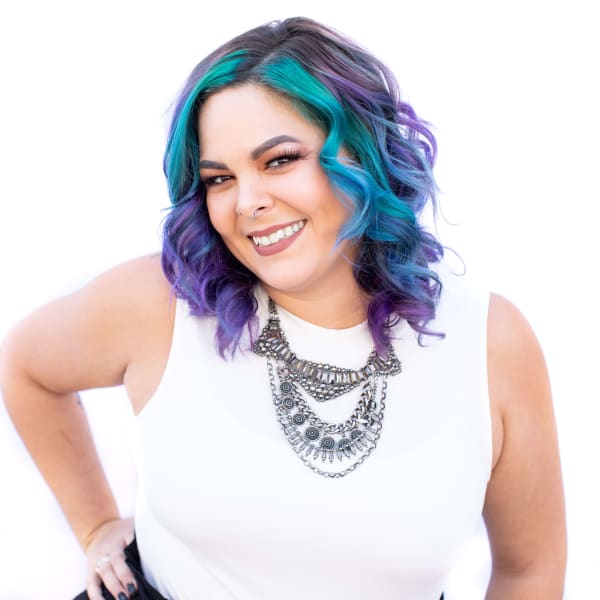
The future of every salon rests on its ability to recruit and train top talent. Salon Today invited these owners to give some insight on their interviewing processes and training programs for new employees.
by Greg Scheer
July 10, 2011
4 min to read
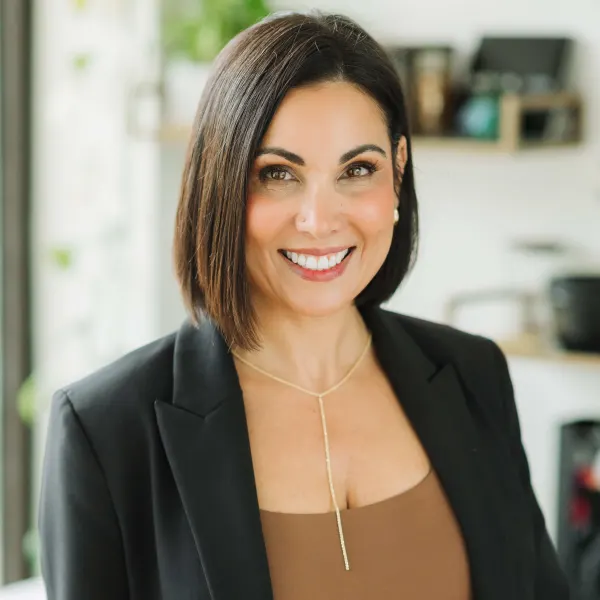
SASHA RASH OWNER OF LA JOLIE HAIR SALON (lajoliesalon.com) in Princeton, NJ
Ad Loading...
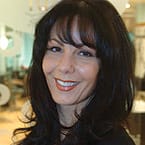
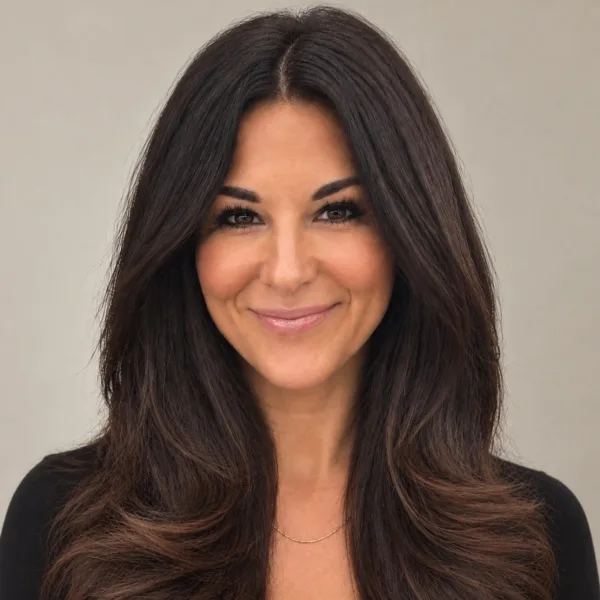
GINA LUCCI OWNER OF DANTE LUCCI SALON (dantelucci.com) in Cleveland, OH
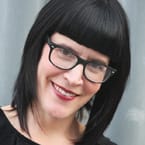
SARAH WISDA CO-OWNER OF AURA SALON & DAY SPA (aura-salon.com) in Scottsdale, AZ
GWENN LEMOINE OWNER OF PARLOR HAIR SALON (parlorhairsalon.com) in New York, NY
The future of every salon rests on its ability to recruit and train top
talent. Salon Today invited these owners to give some insight on their
interviewing processes and training programs for new employees.
What are some
creative ways your
salon has recruited
new employees?
Sasha:
When we get a call from a
potential new team member,
the GM is listening for strong
phone skills, including active
listening. When we get an
e-mail inquiry, the GM is
looking for a professional
e-mail address and a wellwritten
request.
Gina: We had a professional video
made specifically to use at
job fairs. It has me answering
questions on what we are
looking for in a stylist and
my views on the industry,
including snip-its of salon
events, decor and in-house
training classes. We also give
everyone a gift-usually a
make-up mirror with our logo
and information on it.
Sarah: We get out to the schools
and teach. We participate
in Industry Day at Kohler
Academy. This is a wonderful
opportunity for us to meet all
of the upcoming graduates
in the program and it's set
up like "speed interviewing."
We are able to get a first
impression along with their
resume.
Gwenn: We are regularly available
to our surrounding schools
to do presentations and
demonstrations. During our
demonstrations we do skill
set exercises and give gift
certificates for free services
to the winners; ensuring we
get more intimate contact
with students who show extra
promise.
What's the
interviewing
process like for new
employees?
Sasha: The formal in-person
interview process starts with
a greeting and tour from
the GM. Then she gives
them a letter of introduction
along with our salon's "nonnegotiable"
information.
We want them to actually
leave the building, read the
document and decide with
certainty that they want to
move forward with interview
(or not). This tells us so much
about the candidate and the
candidate about us
Gina: After a very casual interview
with me, and a candid visit
to the salon, the applicant
brings in a model and the
other stylists interview and
assess their work. My team
decides if we should hire
them. If the answer is "yes,"
then I have a formal interview
and discuss pay plans and
such.
Sarah: Four interviews and an
online personality test are
administered. The first
interview is with our HR
manager. I conduct the
second interview and ask
more non-traditional types of
questions and get a feel for
their overall attitude. Fourfive members of our team
conduct the third interview.
My business partner,
Christy, conducts the final
interview-she's the one who
teaches the apprenticeship
program and directly
supervises their work.
Gwenn: We ask them to stop by
and fill out one of our
applications. Then we call
those who show promise
for a second one-on-one
interview. If we are still
interested then we have a
group interview. The next
step is a technical interview.
In the technical interview, I
am looking for how much
effort they put into finding
their model. Last, we have
a few of the final applicants
come and hang with us for a
half-day. I talk to the staff and
then I make a decision.
On average, how many
new employees do you
hire per year?
Sasha: We hire an average of three
employees per year. Gina: Usually one. Never more
than two. Sarah: Six salon apprentices, one
spa apprentice. Gwenn: Four.
How long is your
training program?
Sasha: The length of our training
program varies from
approximately eight weeks to
18 months depending upon
one's level of competency,
experience and motivation.
Gina: It varies depending upon
the employee's skill level
and their personal industry
plan. I try to have them on
the floor and their hands
in hair on some level (kids)
by three months so they
don't lose interest. They are
usually on the floor full time
by one year and monitored
for the remainder of their
employment.
Sarah: Our program is a
combination of training/
models two days per week
and assisting three days
per week. As they progress
through the program, they
gradually work into a chair on
the days they were assisting.
The average time-frame is
nine months.
Gwenn: We allow our hairdressers
to choose to do both hair
cutting and coloring or opt to
choose a specialty. The ones
who are diligent will finish the
hair cutting segment in 8 to
10 months and the color in
approximately 5 to 7 months
for a total of 13 to 17 months.
Discover how to create a true “WOW experience” for every client by first building a culture where your team feels engaged, empowered, and inspired. Drawing on Calvin Stovall’s Iconic Framework, this blog explores how salon, spa, and clinic leaders can strengthen culture, elevate customer experience, and build a business that stands out for the long term.
The wellness industry is growing fast, and salons and barbershops already are an important part of it. In her first blog, Tracy Rado shares where the wellness dollars are heading, and how salon's can grow with this movement.
While salon sales are increasing, owners often feel they're working harder for the same or less profit. Leverage Q2 data from The KIM Report, Alain Audet reveals some of the structural changes that are dampening your growth and why your region and your salon size matters.
Weaknesses in your business are amplified during the Holiday Season. Spark Pro Global's Lucy Randall shows you five things to do now to have the strongest holiday season yet.
In Kati Whitledge's latest blog, she shares how salons have moved away from dress codes and embraced appearance standards. But by removing strict dress codes, some businesses may have unintentionally lowered their appearance standards. Whitledge helps you explain to your team why an appearance standard is important and how to smoothly implement a new appearance policy.
The Small Business Health Care Tax Credit is a non-refundable tax credit for for-profit businesses that provides a financial incentive for eligible employers who offer health insurance coverage to their employees. Leticia Skrabut, Esq., walks you through how to claim that credit.
Developing strong work habits early in one's career supports long-term success in the salon industry. Jesse Linares offers new stylists his top five tips.
Most salon owners have no idea what these numbers are.
You can hit record sales and still have a profit problem. The difference comes down to four numbers almost nobody was taught to track.
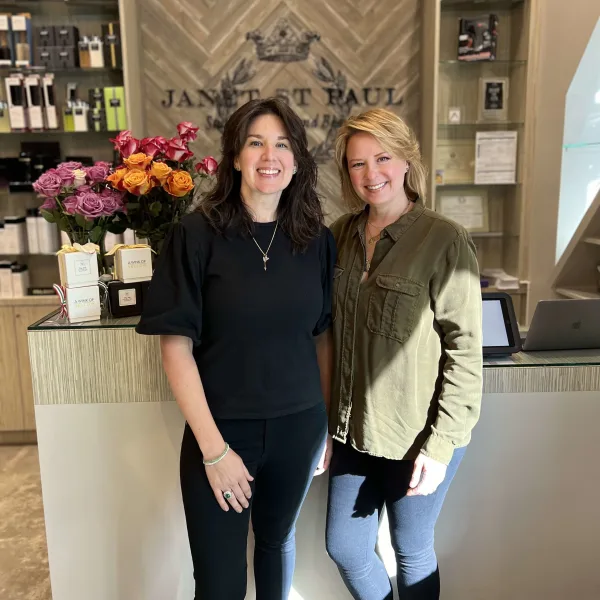
At Janet St. Paul Studio for Hair and Beauty, Director of Operations Natasha McMillen helps bring her wife Janet St. Paul's vision to life, elevating every system from education to operations.
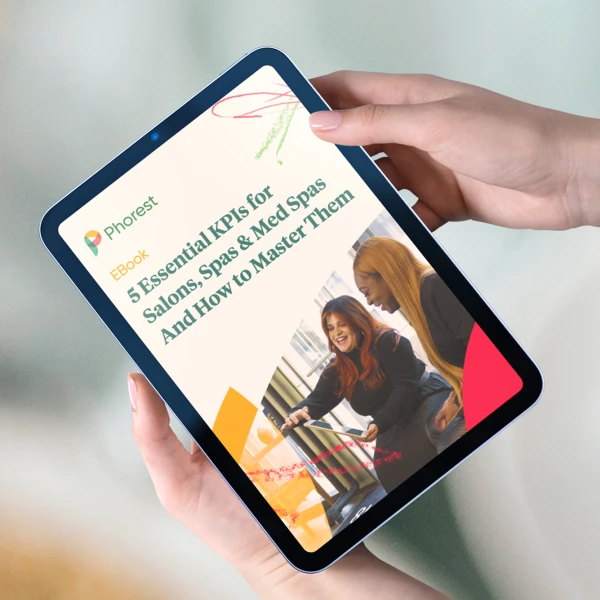
The strongest salons, spas, and med spas know which numbers tell the real story of their business. In this practical guide, Phorest breaks down the five essential KPIs every business should track to improve retention, boost revenue, and make smarter decisions with confidence.
At Bella Style Salon in Slidell, Louisiana, Director of Operations Angela Meyer tackles inventory, team management, and guest relations. Read all about her in our latest Meet the Manager.
Starting at Impressions front desk in 2006 when he was 19 years old, General Manager Paul Petrowsky is a seasoned professional who owner Sarah Taylor says is responsible for much of her own success.
Planning is in full swing for the most anticipated events and promotions for the 2026 holidays. As owners share their favorite ways to celebrate, they prove that a carefully planned event can also build culture, increase client loyalty, boost sales, and set a business up for a successful 2027.
When things run amok at Mane Attraction Salon, Owners Chris and Jenny Knudsen say General Manager Sami Hernandez is their go-to resource and ultimate sounding board. Meet Sami in this installment of Meet the Manager.