











Kelly Huether Reacquires Life of Riley and Riley Salon Resources
Life of Riley Salon Supply and Riley Salon Resources are back in the family, as Kelly Huether acquires the professional distributor he co-founded in 2013.
by Staff
 MENU
MENU SEARCH
At America's Beauty Show, Wella's Pete Castellanos gives salon owners some important business-building goals, and shows them exactly how high to aim.

Pete Castellanos, Wella's senior VP of sales for the salon professional division of P&G.
At America’s Beauty Show this March, Wella Professionals hosted “Salon Savvy: The Art of Business Education,” a morning-long business seminar for salon owners and managers.
Pete Castellanos, Wella’s senior vice president of sales for the salon professional division, kicked off the session with some statistics that painted the current picture of the professional industry. Then, he provided some business-building strategies each salon should follow, and provided benchmarks by which they can measure their progress.
“Only 55 percent of women are visiting the salon for professional services,” says Castellanos. “And of those, clients are stretching their appointments out to an average of three times a year compared with last year’s average of four times per year. They also are spending less on retail and on services.”
Capping Labor Costs
Castellanos pointed to labor as the single largest operating cost for independent salon owners, and said that owners who learn to manage it successfully tend to do better. For example, salons whose labor costs fell between the following percentage of overall costs tended to be…
58-63% Break-even salons
48-55%: Profitable salons
40-45%: Leading salons
Ramping Up Retail
The greatest unrealized opportunity in salons today is retail sales. “In fact, 70 percent of clients report that their stylist has not recommended a product in the past six months,” he says. “A complete consultation ends should end with retail in hand.” Using retail sales as a measuring stick, where Retail Sales Revenue/Service Revenue=Retail Sales Percentage, he says that salons whose retail sales fall between the following percentages, tend to be…
5-8%: Break-even salons
15-20%: Profitable salons
Greater than 30%: Leading salons
Get Them Back In
“Teach your stylists to rebook their guests’ next appointments, don’t leave it up to the front desk,” stresses Castellanos. “Shifting clients from to every eight weeks to every six weeks can mean an extra $15,000 per stylist annually to the salon’s bottom line.” Salons with prebooking percentages between the following percentages tend to be…
30-40%: Break-even salons
50-60%: Profitable salons
80%+: Leading salons
Life of Riley Salon Supply and Riley Salon Resources are back in the family, as Kelly Huether acquires the professional distributor he co-founded in 2013.
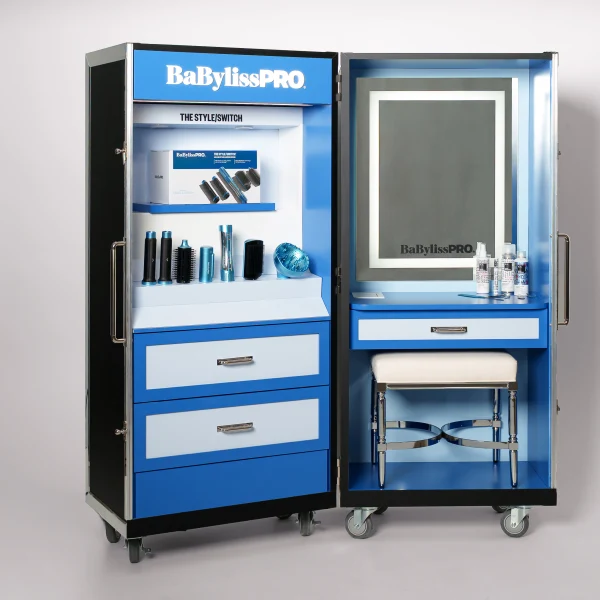
BaBylissPRO and IGK have partnered to launch the BaBylissPRO Studio Trunk, transforming the professional tool brand’s digital Style Studio into a physical experience for the first time in its sixty-year history.
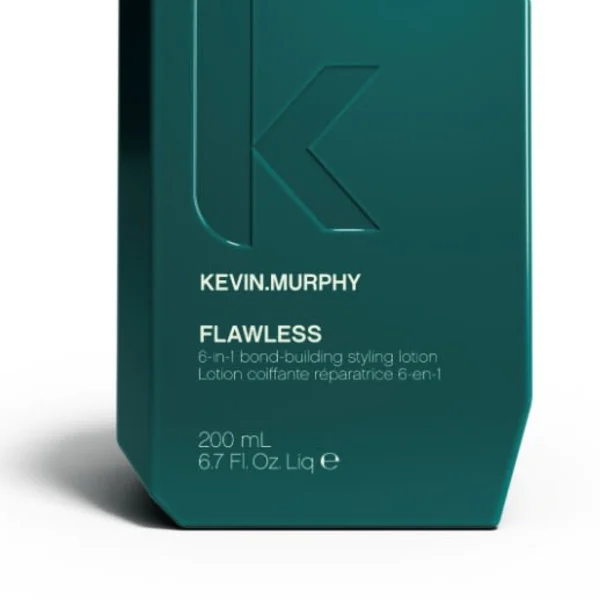
KEVIN.MURPHY's Flawless combines hair repair and styling benefits using KM.Re.Bond technology.
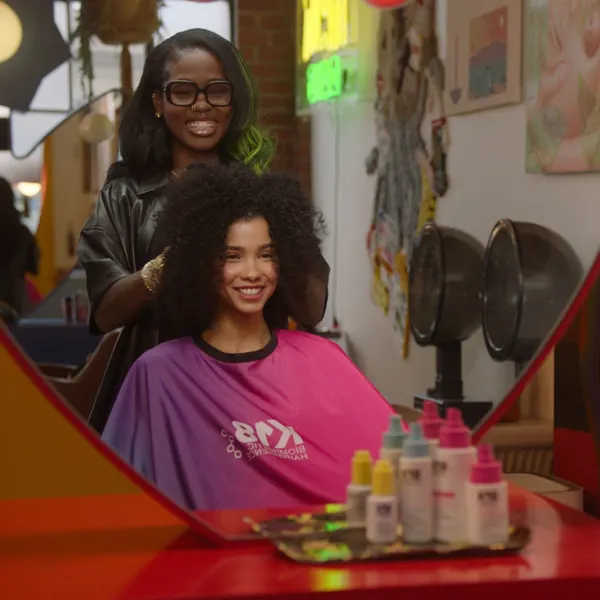
K18 Biomimetic Hairscience has partnered with Beauty Changes Lives to launch the K18 Future of Hair Scholarship, aiming to support aspiring professional stylists by reducing financial barriers to cosmetology education.
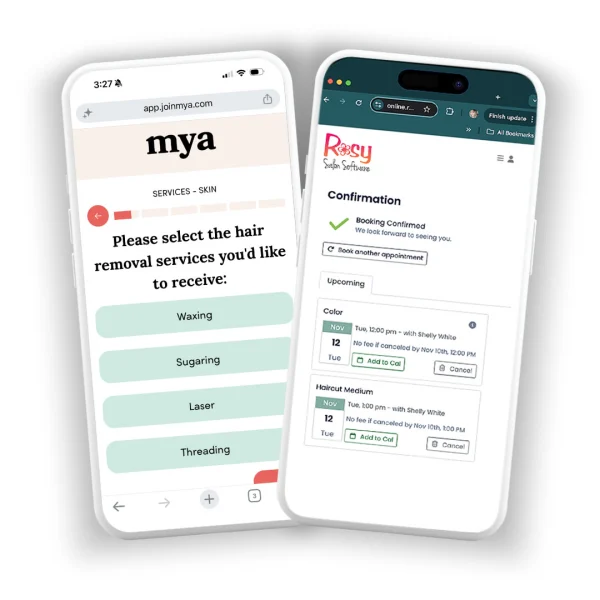
Rosy Salon Software integrates with Mya, empowering salons, spas, and barbershops to transform their websites into powerful, automated lead-generation machines.

Known for his buttery blondes and a technique for highlighting hair with more precision that he called chunking, Brad Johns died on August 27. His friend and fellow colorist, David Stanko, shares thoughts on his talented colleague and close friend.

The Green Beauty Community Foundation convenes beauty brands, salon-industry leaders, educators, and sustainability organizations for a collaborative professional beauty gathering on September 23rd in New York.

At 80, global feminist, former marriage and family therapist, executive coach, and powerlifter Barrie Zucal shows women how to stop letting “debilitating goodness” derail their dreams. Her empowering new book, BOLD: How Women Play BIG by Leading Instead of Pleasing, calls out the quiet conditioning that holds women back from achieving their ambitions — and shows them how to free themselves.

From a Santa Monica apartment startup to the nation's largest sugaring and sunless tanning brand, SUGARED + BRONZED reaches a major milestone with 50 locations across 10 markets.
The Davines Edit reflects the brand’s passion for people and planet.